
Reviewed · ACCRA
4 Days Cultural and Village Stay Experience
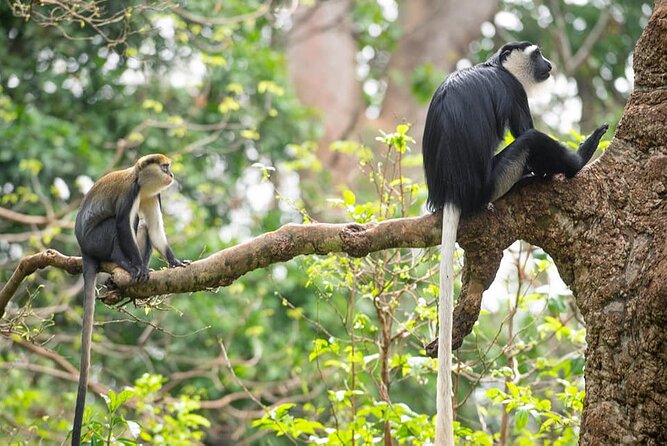
Monkeys share this village with people. That unusual relationship gives this four-day Ghana experience its real appeal, especially when you visit the Ashanti royal museums before settling into Boabeng Fiema. I like the mix of royal history and village life, and I like that the stay includes time with the Monkey Priest, a farm visit, local dancing, and the sanctuary’s Mona and black-and-white colobus monkeys.
The main drawback is the amount of driving and the limited detail about what the $1,107.70 price includes beyond admission tickets and private touring. You should also be ready for a moderate level of physical activity, changing weather, and a village stay that may feel far removed from city comforts.
In This Review
- Four details that make this Ghana experience different
- Why this four-day Ghana trip works
- Kumasi begins with Ashanti royal power
- Arriving at Boabeng Fiema and its sacred monkeys
- Meeting the Monkey Priest and learning local beliefs
- An evening village walk with music and dance
- Farming with a local family on day three
- Kintampo Waterfalls brings a longer outdoor day
- A final look at masks, paintings, and local craft
- Returning through Kumasi toward Accra
- What the $1,107.70 price means
- Who should book this experience
- Should you book the Boabeng Fiema village stay?
- FAQ
- How long does the experience last?
- Where does the experience take place?
- What time does the tour start?
- Is pickup available?
- Is this a private tour?
- Which monkeys will I see at Boabeng Fiema?
- What level of fitness is required?
- What happens if bad weather cancels the experience?
Four details that make this Ghana experience different
- Ashanti royal sites come first: Visit Manhyia Palace Museum and Prempeh II Museum in Kumasi before heading into the countryside.
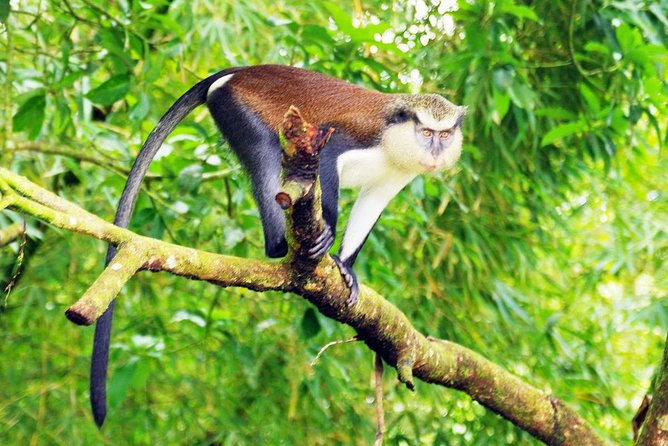
- Two monkey species share the sanctuary: The Boabeng Fiema visit focuses on Mona monkeys and black-and-white colobus monkeys.
- A human representative serves the monkeys: You meet the Monkey Priest, who cares for the Darrow Shrine and represents the monkeys within the community.
- Village life is part of the program: You join a community walk, see local farming, and watch a traditional dance performance.
- Kintampo Waterfalls adds a nature stop: The third day combines farm life with a six-hour visit that includes the falls.
- It is private: Only your own group takes part, which gives you more room to ask questions and set the pace.
Why this four-day Ghana trip works
This is not a standard city tour with a quick photo stop in the countryside. The experience begins with Kumasi’s Ashanti royal sites, then shifts toward a village where people and sacred monkeys have lived alongside one another for generations.
That change of setting is the strongest idea here. You first learn about kingship, ceremony, and Ashanti leadership. Then you see how local beliefs shape daily life in Boabeng Fiema. The result is a trip with a clear cultural thread, rather than four unrelated outings.
I also like the private format. With only your own group, you can spend more time on a question about the palace, pause during the village walk, or ask for a slower pace at the sanctuary. The published starting time is 8:00 a.m., and pickup is offered, though you should confirm the exact pickup point and transport arrangements before paying.
At $1,107.70 per person, this is a serious purchase. Its value depends on what is included in that price. Admission tickets are included, and the program covers four days of guiding, several cultural visits, private participation, and access to a village stay. The details provided do not clearly spell out lodging, meals, flights, or every transfer cost, so ask Skyway Safari & Tours Ghana for a written list of inclusions.
A few more Accra trips worth weighing up
- 4 Days Trip in Accra, Cape Coast,Kumasi culture & heritage tours
★ 5.0 · 5 reviews - 4 Days Safari to Mole park and Wechiau Hippos
★ 5.0 · 19 reviews
Kumasi begins with Ashanti royal power
The first day opens at Manhyia Palace Museum, the former residence and historic museum of the Ashanti King. Plan on about two hours here. This is the place to begin if you want context before entering the smaller communities outside Kumasi.
A palace visit can sometimes feel formal or museum-heavy, but it gives meaning to the rest of your trip. The Ashanti royal family is not simply a footnote in Ghana’s past. The palace helps you understand the importance of leadership, symbols, and royal tradition in Ashanti culture.
The tour then continues to the Prempeh II Jubilee Museum at the Kumasi Cultural Centre. You have another two-hour visit, with admission included. The museum focuses on Prempeh II, an important Ashanti king, and gives the day a second royal perspective.
Two museums in one day may sound repetitive. They are close in subject, so you should expect some overlap. Still, the pairing makes sense: Manhyia offers the setting of royal residence, while the Prempeh II Museum lets you focus more directly on one major ruler.
Your guide’s explanations will matter here. A good guide can connect what you see in the displays to the community traditions you encounter later. Skyway Safari has received especially warm praise for guide service, with Emmanuel named for planning a fun and educational Ghana trip. Sampson also responded to feedback about the monkey sanctuary and local culture, suggesting that the company places real attention on its guiding team.
Arriving at Boabeng Fiema and its sacred monkeys
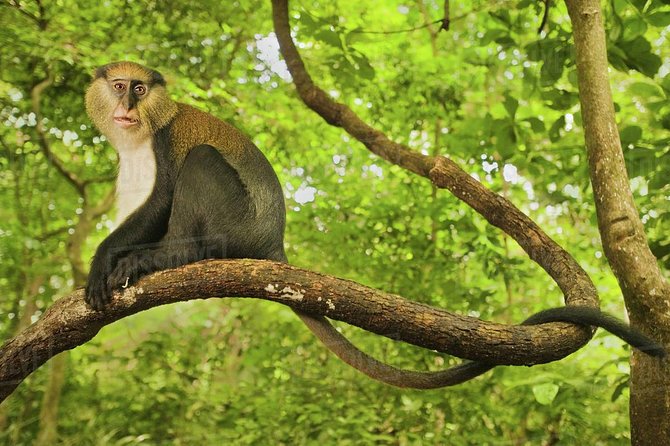
The first day ends at Boabeng Fiema Monkey Sanctuary, where you stay in the ancient village and learn how people live alongside the monkeys. The scheduled visit lasts about two hours, but the village stay gives this stop more weight than a quick wildlife excursion.
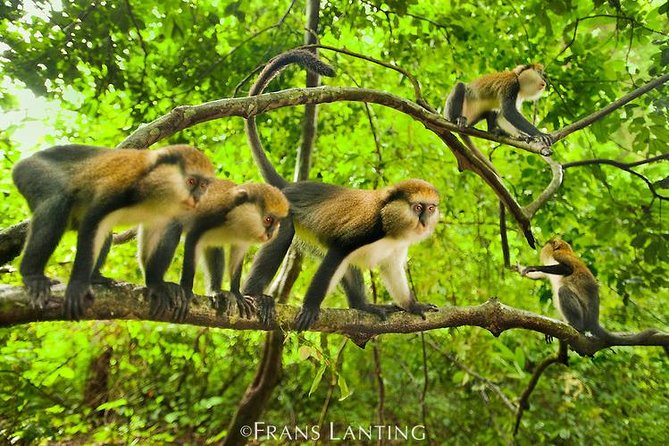
The important point is that this is not presented as a zoo. The monkeys are part of the community’s spiritual and cultural life. That makes your visit less about ticking off two animal species and more about understanding why the sanctuary exists.
You will focus on Mona monkeys and black-and-white colobus monkeys. On the second morning, you return for a two-hour sanctuary tour to observe them and see how the two species interact.
Keep your expectations sensible. The animals are wild, so sightings and behavior cannot be guaranteed in a set pattern. The appeal comes from the relationship between the community and the sanctuary, not from a promise of a staged animal show.
The stay may be especially appealing if you want a quiet break from Accra. A German-language account described Boabeng Fiema as a peaceful place to leave city noise behind and spend time with friendly local people and nature. That is useful context: this part of the trip is meant to slow down, not keep you entertained every minute.
Meeting the Monkey Priest and learning local beliefs
Later on day two, you make a courtesy visit to the Monkey Priest, described as the human representative of the monkeys and caretaker of the Darrow Shrine. This is one of the most distinctive parts of the experience.
The visit offers a direct way to ask about the spiritual rules surrounding the monkeys and the shrine. You are not simply looking at an animal habitat. You are hearing how the village explains its duty toward the monkeys and how that duty fits into local belief.
Approach this meeting with respect. The word priest may suggest a familiar religious structure, but the details provided do not explain every custom or ceremony. Your guide can help you understand what is appropriate to ask, where to stand, and how to behave near the shrine.
I would give this stop more value than a standard wildlife photo opportunity. It connects conservation, faith, community identity, and daily life in one conversation. If you care about culture as much as scenery, this may be the point that stays with you longest.
A completely different sort of day out of Accra:
- The Cape Coast Day Tour
★ 5.0 · 525 reviews - Experience the Beauty, History and the Culture Of Accra in a Day
★ 5.0 · 323 reviews - The Cape Coast Tour
★ 5.0 · 177 reviews - From Accra: Cape Coast, Elmina Castle & Kakum Park Day Tour
★ 4.6 · 144 reviews
An evening village walk with music and dance
On the second evening, you take a two-hour community tour of Boabeng Fiema. You learn about the village way of life and watch a traditional dance performance by local people.
This is a welcome change of pace after the sanctuary walk. You are given a chance to see the community as a lived-in place, not merely as a setting for the monkeys. The dance also gives the evening a social finish, though you should remember that a performance arranged for a tour is still a presentation for visitors.
The best approach is to watch first, then join in only when invited. Ask your guide how photographs should be handled, especially during a performance or near religious sites. A little courtesy goes a long way.
This is also where a private tour can help. You have more freedom to ask what a song or movement means, or to spend extra time speaking with your guide after the performance. The program does not promise a specific length or style of dance, so treat it as a cultural encounter rather than a polished stage production.
Farming with a local family on day three
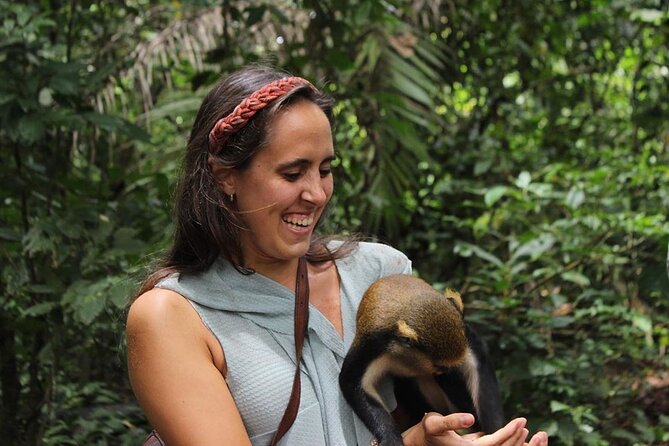
After breakfast on the third morning, you join one of the village families at a farm. The crops listed include cashew, cassava, yam, plantain, and vegetables.
This may be the most practical cultural activity of the trip. Museums show you important objects. A farm shows you part of the work that supports everyday life. You can ask how the crops are used, what work changes with the seasons, and which tasks are done by hand.
The description does not promise that you will plant, harvest, or cook. Do not arrive expecting a hands-on farm class. You will be visiting with a family and learning about the farm, and the exact amount of participation may depend on the day and the conditions.
Wear clothing and shoes that can handle uneven ground. The physical fitness requirement is listed as moderate, and this farm visit comes before Kintampo Waterfalls, making day three the most active stretch of the trip.
Kintampo Waterfalls brings a longer outdoor day
The farm visit is followed by a trip to Kintampo Waterfalls, with about six hours assigned to the combined activity. That is a substantial block of time, so you should expect a full day rather than a quick stop beside the water.
Waterfalls provide a good counterpoint to the cultural program. After royal museums and village conversations, you get time outdoors. The schedule does not specify swimming, walking distances, or the exact facilities at the falls, so ask the operator what to bring and what the visit involves.
Good footwear matters. You should also be prepared for wet conditions and changes in weather, even though the exact route is not provided. The experience requires good weather, and poor conditions can lead to a different date or a full refund.
Because day three combines farming and the falls, do not pack it with other plans. You will want time to pause, dry off, eat, and recover before the final morning.
A final look at masks, paintings, and local craft
The fourth morning begins at the sanctuary souvenir shop. You can see monkey masks and paintings made available for purchase.
This stop is short, but it gives you a chance to support local art and take home something tied to the place. A monkey mask may be more meaningful than a generic Ghana souvenir because it connects directly to Boabeng Fiema’s cultural identity.
Ask about the artist, materials, and meaning before buying. The information provided does not state prices, sizes, payment methods, or shipping arrangements, so do not assume every item can travel easily or be purchased with a card.
The stop is also a sensible final activity. You can browse without adding another demanding walk before leaving the village.
Returning through Kumasi toward Accra
After the souvenir shop, you leave Boabeng Fiema for Kumasi to catch a flight to Accra. The listed timing is about three hours.
This final transfer needs careful confirmation. The schedule says you go to Kumasi to pick a flight to Accra, but it does not state whether that flight is included in the tour price. It also does not identify the airline, departure time, or baggage rules. Ask these questions before booking, especially if you have an onward international flight from Accra.
Pickup is offered at the beginning, and the tour starts at 8:00 a.m. The end-of-trip transfer details are less clear than the start, so get the final transport plan in writing. A private tour is only good value if the movement between Kumasi, Boabeng Fiema, and Accra is organized in a way that suits your schedule.
What the $1,107.70 price means
The price is high compared with a single-day Ghana attraction, but this is a four-day private cultural program with multiple admission tickets and a village stay. You are paying for more than the palace museums and monkey sanctuary. You are also paying for guiding, coordination, community visits, and the chance to spend several days outside the city.
Still, value depends on the fine print. The available details confirm included admission tickets and offered pickup, but they do not clearly confirm:
- Accommodation standards in Boabeng Fiema
- Meals and drinks
- Domestic airfare from Kumasi to Accra
- All road transfers
- Entrance or activity fees beyond the stated admissions
Ask Skyway Safari & Tours Ghana to explain each item. If lodging, meals, flights, and transfers are included, the price may be reasonable for a private four-day program. If you must pay for several of those separately, the final cost could rise quickly.
The three published ratings are very strong, with praise focused on the peaceful village setting, the monkeys, local culture, and guide service. One account specifically credited Emmanuel with planning an enjoyable educational trip, while Sampson was praised for the sanctuary and local knowledge. Those points match the strongest parts of the program, but they do not replace the need to confirm the financial details.
Who should book this experience
I would recommend this trip to you if you want culture to be the main event. It suits people who enjoy museums, local belief systems, village walks, farming, and nature more than nightlife or a tightly packed list of famous sights.
It is also a good choice if you want a private experience. You can ask more questions and avoid being tied to a large group’s pace.
You should think twice if you need luxury accommodation, dislike long transfers, or want a predictable wildlife encounter. The village setting is part of the point, but it may feel simple. Day three also demands energy, and the exact balance between driving, walking, and rest is not fully explained.
Pack light, wear practical shoes, and leave space for a mask or painting if you plan to shop. Most of all, confirm what the fee includes and how the Kumasi to Accra flight is handled.
Should you book the Boabeng Fiema village stay?
Book it if you want a thoughtful Ghana experience built around one unusual cultural relationship. The mix of Ashanti royal sites, monkeys, a Monkey Priest, village dance, family farming, and Kintampo Waterfalls is far more distinctive than a standard sightseeing loop.
I would not book without clarifying lodging, meals, transfers, and airfare. Once those details are clear, this looks best for an independent-minded visitor who values access and local contact over polished resort comfort. For that kind of trip, Boabeng Fiema is the reason to go.
FAQ
How long does the experience last?
The experience lasts approximately four days.
Where does the experience take place?
It includes Kumasi, Boabeng Fiema, Kintampo Waterfalls, and travel toward Accra.
What time does the tour start?
The stated start time is 8:00 a.m.
Is pickup available?
Yes, pickup is offered.
Is this a private tour?
Yes. Only your own group participates.
Which monkeys will I see at Boabeng Fiema?
The sanctuary visit focuses on Mona monkeys and black-and-white colobus monkeys.
What level of fitness is required?
A moderate level of physical fitness is recommended.
What happens if bad weather cancels the experience?
The experience requires good weather. If poor weather causes cancellation, you will be offered a different date or a full refund. The experience is otherwise non-refundable and cannot be changed for any reason.
Just added around Accra
- Experience Cape Coast Castle and Kakum National Park★ 4.5 · 3 reviews
- Experience Northern Ghana In 10-Days★ 5.0 · 3 reviews
- Discover Ghana – Wli Waterfalls, Mountain Afadjato, Monkey Sanctuary & Akosombo.★ 4.5 · 3 reviews
- Cultural Tour Of Ghana And South Africa 12 Days★ 5.0 · 3 reviews
- Accra: City Highlights Half-day Guided Tour with Transfers★ 4.1 · 3 reviews
- Accra: Half day private safari with pick up★ 3.5 · 3 reviews
- Full Day Accra Guided Tour★ 5.0 · 3 reviews
- Experience Aburi Botanical Gardens And Boti Water Falls In A Day.★ 5.0 · 3 reviews