
Reviewed · CAPE COAST & ELMINA CASTLE TOURS
4 Days Trip in Accra, Cape Coast,Kumasi culture & heritage tours
Ghana’s past and present meet here. This four-day private tour packs Accra landmarks, Cape Coast’s sobering slave castles, Kakum’s canopy walk, and hands-on Ashanti crafts into one route. I especially like the personal naming ceremony in Adanwomase and the chance to stamp Adinkra symbols onto cloth yourself. The main drawback is the pace: long road journeys and several one-hour stops leave little room for lingering.
I also like that transportation, entrance fees, bottled water, snacks, three lunches, and guide service are included in the $750 price. Isaac Clouds Bilson leads the experience with driver and partner Mr. Bismark, and direct feedback praises Bilson for punctuality, warmth, and strong knowledge of Ghanaian history. Still, this is a busy four-day program, not a slow city break.
In This Review
- Key points to know before booking
- What the $750 package really covers
- Day One in Accra: museums, markets, and national symbols
- National Museum of Ghana
- W.E.B. Du Bois Center
- Makola Market
- Independence Square
- Centre for National Culture
- Day Two: Kakum’s canopy and the castles of the coast
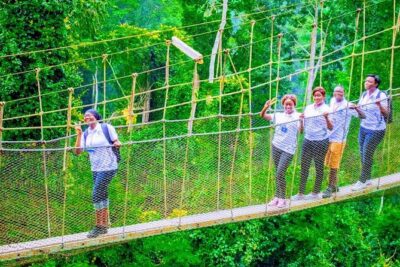
- Kakum National Park and the canopy walk
- Elmina Castle
- Cape Coast Castle and the Door of No Return
- Day Three: weaving, symbols, and a Ghanaian name
- Bonwire Kente Weaving Centre
- Ntonso Adinkra Craftsmen
- Adanwomase and the naming ceremony
- Day Four at Labadi Pleasure Beach
- The guide, vehicle, and pace
- Who should book this Ghana tour?
- Should you book it?
- FAQ
- How long is the tour?
- Is this a private tour?
- What is included in the price?
- Is pickup available?
- What happens during the Ghanaian naming ceremony?
- Can I cancel for a full refund?
Key points to know before booking
- The Adanwomase naming ceremony is the emotional highlight: You receive a Ghanaian name and certificate, wear Ghanaian cloth, and take part in a traditional welcome linked to your birth date.
- Cape Coast and Elmina bring difficult history into sharp focus: You visit former castles, dungeons, museums, and the Door of No Return area connected to the Atlantic slave trade.
- Kente and Adinkra are hands-on, not just photo stops: You can learn basic weaving at Bonwire and stamp symbols onto cloth at Ntonso.
- Kakum adds a physical challenge: The canopy walkway sits about 40 meters above the ground, and the approach to it is steep.
- Accra’s first day mixes major sights with street life: Makola Market and the Centre for National Culture balance museums and memorials.
- The $750 cost covers much of the practical work: Private transport, admissions, water, snacks, lunches, and a guide are included, while personal purchases are extra.
What the $750 package really covers
At $750 per person, this is not a bargain-priced city tour. It is a private, four-day program covering three important Ghanaian areas, with long-distance transport, admissions, food, and a dedicated guide included.
That matters because the route links Accra with Cape Coast and Kumasi-area cultural sites. Handling those connections yourself would require more planning, especially when several attractions have fixed opening routines and local interpretation adds much of the value.
The package includes transportation, entrance fees, all taxes, bottled water, snacks, tour guide service, and lunches. The details mention three lunches in one place and four lunches elsewhere, so I would confirm the exact meal count before paying. Buying clothing, crafts, souvenirs, or other personal items is not included.
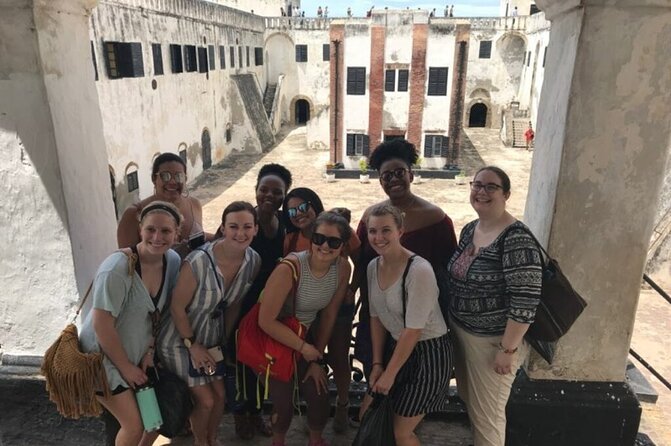
The tour is private, so only your group takes part. That is a real advantage for families and groups with shared interests. You can ask for more time at a castle, spend longer at the market, or pause for photos without being tied to a large coach group. The trade-off is that the itinerary is fixed enough to cover a great deal in four days.
The start time is 9:00 a.m., and the activity ends back at the meeting point. Pickup is offered, but the precise pickup area should be confirmed when you book. Free cancellation is available up to 24 hours before the start time. Poor weather can also lead to a different date or a full refund.
More Cape Coast and Elmina castle days:
- The Cape Coast Day Tour
★ 5.0 · 525 reviews - The Cape Coast Tour
★ 5.0 · 177 reviews - From Accra: Cape Coast, Elmina Castle & Kakum Park Day Tour
★ 4.6 · 144 reviews
Day One in Accra: museums, markets, and national symbols
The first day gives you a useful introduction to Accra, moving from national history to Pan-African ideas, commerce, independence, and craft.
National Museum of Ghana
The National Museum is a sensible first stop. Its displays cover Ghanaian and African history, local crafts, and material culture. I like beginning here because the museum gives you a framework for the rest of the trip: symbols, textiles, political change, and Ghana’s place in the wider story of Africa make more sense after this visit.
You have about one hour, with admission included. That is enough for an overview, but not for a slow examination of every display. If you enjoy museums, you may want to ask Bilson which sections deserve the most attention.
W.E.B. Du Bois Center
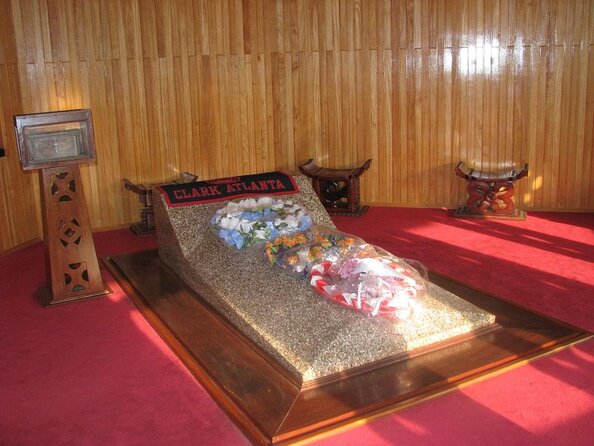
The W.E.B. Du Bois Center shifts the focus from Ghana’s national story to Pan-African thought. Du Bois, an African American historian and Africanist, became a citizen of Ghana. The center includes a small museum, part of his personal library, his writings, and a shrine containing his grave and the ashes of his second wife, Shirley Graham Du Bois.
This is a quiet, reflective stop. It can be especially meaningful if you are interested in African American history, Pan-Africanism, or the ties between Ghana and the African diaspora. One hour is scheduled, which should allow time for the house, museum, and memorial area.
More roots and heritage tours in Accra:
- Ghana Heritage Tours – Beyond The Return
★ 5.0 · 36 reviews - 10 Days Ghana Cultural and Heritage Trip
★ 5.0 · 31 reviews - The Ancestral Naming Ceremony and Home Coming Experience
★ 5.0 · 30 reviews - The Homecoming Experience To Cape-coast And Elmina.
★ 5.0 · 28 reviews
Makola Market
Makola Market is the most active part of the day. You move through an open-air trading center filled with goods, people, scents, and sound. It is not polished or arranged for easy sightseeing, and that is exactly why it gives you a stronger sense of daily commercial life in Accra.
The market is also an important social institution, especially for women who trade there. The tour information refers to transport and trade work intended to improve the livelihood and security of female market traders. That detail adds useful context: you are not simply passing stalls for photographs. You are seeing a working center of Ghanaian commerce.
Keep your belongings secure and follow Bilson’s lead through the market. The scheduled hour provides an introduction rather than a full shopping expedition. You may find everything from practical goods to clothing and small items, but personal purchases are your responsibility.
Independence Square
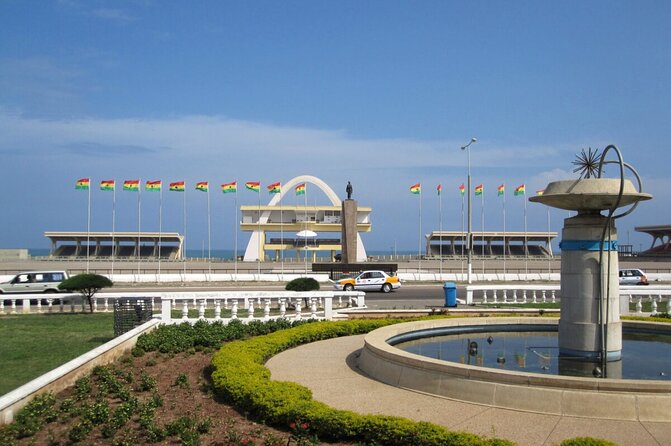
Independence Square, also called Black Star Square, brings Ghana’s national story into public view. The area includes the Independence Arch, Black Star Gate, and monuments linked to the struggle for independence and Liberation Day.
The square can hold about 30,000 people and is used for Independence Day parades on March 6, as well as other national gatherings and festivals. I like this stop because the scale tells you something before any guide explanation does. This is a place built for public ceremony, national pride, and shared memory.
One hour is enough to see the monuments and take photographs. Expect an open public space rather than a museum-style attraction, so the experience depends on the guide’s explanation and your interest in Ghana’s political history.
Centre for National Culture
The Centre for National Culture is the day’s shopping and craft stop. Stalls offer kente cloth, wood carvings, beads, leather bags, earrings, clothing, footwear, shirts, and other items made in Ghana.
This is a good place to compare materials and styles before visiting the weaving villages on Day Three. You can also buy gifts, though bargaining and prices are not specified, so ask clearly before committing to a purchase. The hour goes quickly in a market filled with handmade goods.
I would treat this as a cultural shopping stop, not as a quiet gallery. The stated aim is to help you be a local rather than simply a tourist, and the informal setting supports that idea.
Day Two: Kakum’s canopy and the castles of the coast
Day Two is the most demanding emotionally and physically. Kakum requires balance and confidence at height. Elmina and Cape Coast require time, respect, and a willingness to face Ghana’s painful connection to the Atlantic slave trade.
Kakum National Park and the canopy walk
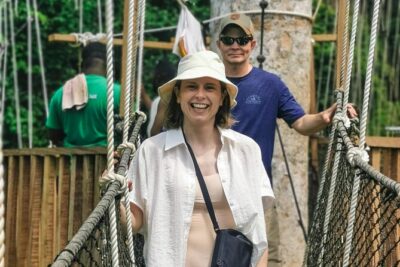
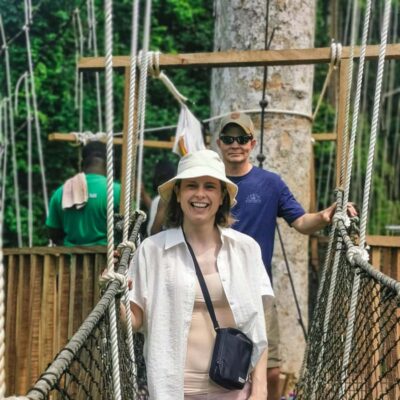
The canopy walk is Kakum’s headline experience. Suspended around 40 meters above the ground, it gives you views across the treetops and a very different sense of the forest than a walk at ground level.
The important practical warning is the approach. The trek to the canopy walkway is steep and can test your fitness. The walkway itself is not presented as suitable for someone who fears heights, so think honestly about your comfort before booking. This is not a passive viewpoint. You walk above the trees, and the height is part of the thrill.
Two hours are allowed for the park. That time includes the approach and canopy experience, with the park’s plants and wildlife adding interest beyond the bridge. The program does not promise particular animal sightings, so I would come for the forest and the walkway rather than expecting a wildlife safari.
Elmina Castle
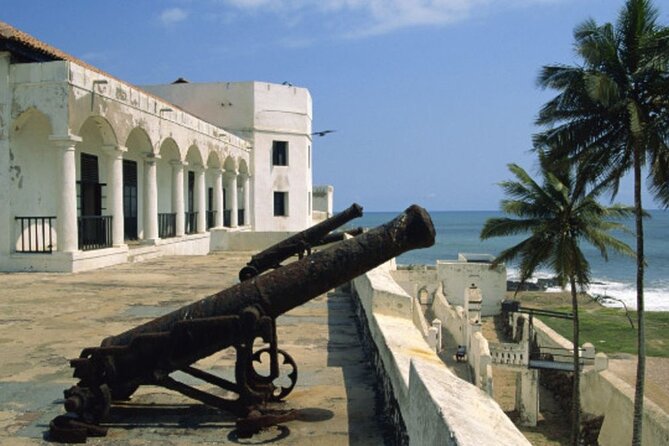
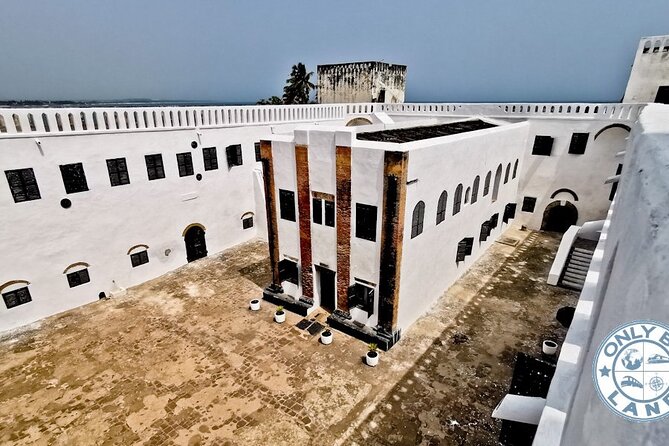
Elmina Castle is one of the hardest stops on the route. The whitewashed fortress on Ghana’s coast was connected to the Atlantic slave trade and served as a place where enslaved Africans were held before shipment.
The castle’s walls cannot soften what happened inside them. Dungeons, holding areas, and the route toward the coast make the history physical. You are not only hearing dates and names. You are seeing the confined spaces where people were imprisoned and the shoreline connected to forced removal from their homeland.
The visit lasts about one hour, with admission included. That is enough for a guided overview, but the subject deserves your full attention. Photography may be possible in and around the castle, though the emotional weight of the site should come before getting the perfect image.
Cape Coast Castle and the Door of No Return
Cape Coast Castle adds another major site linked to the slave trade. It began as a Portuguese trading post in 1555 and later became part of the system that held enslaved Africans before transportation overseas.
The dungeons and museum help connect the building to the wider history. The Door of No Return is especially powerful because it represents the final passage many enslaved people made from the castle toward ships and forced exile. For people of African American and Caribbean heritage, this part of the tour can carry a deeply personal meaning.
You have about one hour here as well. That is a compressed visit for a site of this importance. I would listen closely to the guide, ask questions, and avoid treating the castle as just another scenic stop. Its position by the sea can look beautiful, but the setting should not distract from the suffering tied to the place.
Day Three: weaving, symbols, and a Ghanaian name
Day Three is the most interactive part of the tour. Instead of only looking at finished textiles, you learn how kente and Adinkra connect design with identity, ceremony, history, and social meaning.
Bonwire Kente Weaving Centre
Bonwire is presented as the birthplace of popular kente weaving. Kente is a colorful Ghanaian textile worn for important occasions and celebrations. Each pattern can carry its own name and meaning, linking the cloth to history, culture, and social practice.
The two-hour visit includes a practical weaving lesson using traditional hand-operated looms. This is valuable because you see the work behind the finished fabric. Kente is not simply colorful material sold in a shop. It requires skill, patience, and an understanding of how patterns communicate.
You may have time to watch the weavers, try the loom, and ask about the symbolism of different designs. The experience is more rewarding if you approach it with curiosity rather than treating the lesson as a quick photo opportunity.
Ntonso Adinkra Craftsmen
At Ntonso, the focus changes from woven strips to stamped cloth. Adinkra symbols carry messages and wisdom, and the craft process is done locally from the beginning.
The activity includes pounding the bark of the buddy tree into dye, drawing lines on cloth to divide it into squares, carving symbols into calabash gourds, and pressing the gourds into the dye. You get to stamp like a local, which makes this one of the clearest hands-on experiences in the program.
The two-hour stop allows time for both explanation and making. Pay attention to the symbols themselves. The point is not only to create a decorated piece of cloth, but to understand that each mark can communicate an idea or value.
Adanwomase and the naming ceremony
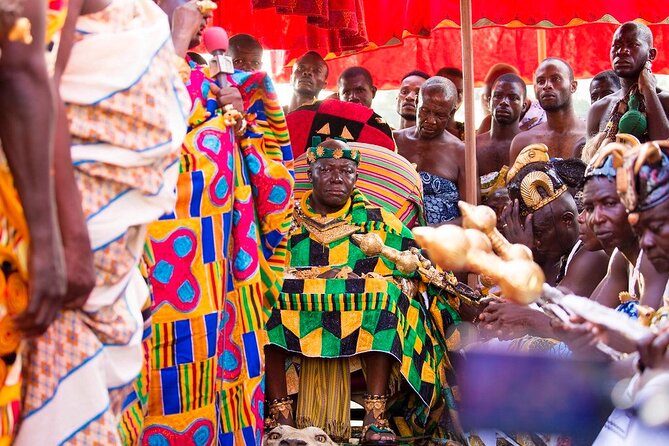
Adanwomase is designed particularly for people from the African American and Caribbean diaspora. You are given a Ghanaian name connected to your date of birth and receive a certificate recognizing the ceremony.
The experience also includes Ghanaian cloth tailored for you and the chance to dress as a king or queen mother. The ceremony is intended as a welcome and a way to honor ancestors. For many people, this will be the emotional center of the trip, more personal than a standard sightseeing stop.
I would confirm exactly what clothing is included and whether the certificate is prepared during the visit. The supplied details say the activity is free within the tour, but personal purchases are not included. The naming ceremony should be approached respectfully, especially because it connects personal identity with Ghanaian tradition and the African diaspora.
The program also refers to a cocoa farm visit, including how cocoa is nursed and harvested. The exact timing is not given, so ask Bilson how this fits into the day. It is a useful addition because cocoa is an important part of Ghana’s agricultural story, but the main focus remains the naming ceremony, kente, and Adinkra.
Day Four at Labadi Pleasure Beach

The final day is lighter and more relaxed. Labadi Pleasure Beach, also called La Pleasure Beach, is one of Accra’s best-known coastal recreation areas and is maintained by the local community.
You have two hours for the beach. The program mentions horse rides, quad activities, walking, scenery, and time by the sea. These extras may cost money or depend on availability, so do not assume every activity is included simply because beach admission is part of the tour. Ask before choosing a ride.
After the museums, markets, castles, and memorial sites, the beach provides a change of mood. It is a place to enjoy the shore and create a final memory, not a substitute for a quiet resort stay. The description presents it as the busiest beach on Ghana’s coast, so you should expect activity rather than isolation.
The guide, vehicle, and pace
Bilson Tours Ghana operates this as a private tour, with Isaac Clouds Bilson named as the owner and guide, supported by Mr. Bismark as driver and partner. Direct feedback gives strong emphasis to Bilson’s punctuality, respectful manner, and ability to explain Ghanaian history. One particularly useful point is that he is described as having personal connections in many places, which may help the journey feel less formal and more local.
The private format is important on a route like this. You are crossing between Accra, the coast, and the Kumasi cultural area, so time in the vehicle will be part of the experience. The itinerary gives stop durations but does not provide driving times, hotel details, or the precise overnight plan. Ask for those details before booking.
The schedule is full. On Day One, five one-hour stops create a quick city survey. Day Two combines Kakum with two castles. Day Three gives two hours to each major craft and naming activity. If you want long museum visits, extended market shopping, or unhurried beach time, this may feel too compressed.
Who should book this Ghana tour?
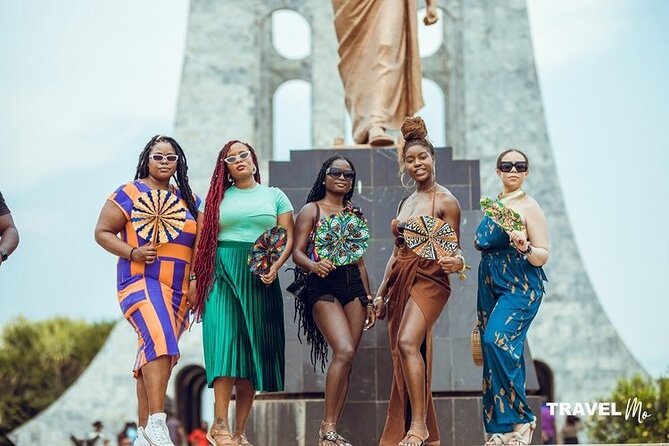
I would recommend it most to first-time visitors who want a broad introduction to Ghana and prefer having transport, admissions, meals, and a guide arranged in advance. Families may appreciate the private format, while people with African American or Caribbean roots may find the naming ceremony and castle visits especially meaningful.
It also suits anyone who learns best by doing. Weaving, dyeing, stamping, and dressing for a ceremony offer more contact with Ghanaian culture than sightseeing alone.
I would think twice if you dislike long drives, steep walks, heights, emotionally difficult historical sites, or tightly planned days. The Kakum approach is physically demanding, and the castles are serious places. The tour offers variety, but it does not offer much unplanned time.
Should you book it?

Book this tour if you want one organized program that connects Accra’s public life, Ghana’s coastal slave-trade history, Ashanti textile traditions, and a personal naming ceremony. The strongest reasons to go are the private guide service, the hands-on craft sessions, and the powerful Adanwomase welcome.
Before paying, confirm the pickup point, meal count, overnight arrangements, driving times, clothing details for the ceremony, and which Labadi activities are included. If you accept the quick pace and come prepared for both joy and difficult history, the $750 price can be fair value for the amount covered.
FAQ
How long is the tour?
The experience lasts approximately four days and begins at 9:00 a.m. each day according to the provided schedule. It ends back at the meeting point.
Is this a private tour?
Yes. Only your group participates in the activity.
What is included in the price?
Transportation, entrance fees, taxes, bottled water, snacks, lunch, and tour guide service are included. The details refer to three lunches in one section and four lunches in another, so confirm the exact number before booking.
Is pickup available?
Yes, pickup is offered. The exact pickup location should be confirmed when you arrange the tour.
What happens during the Ghanaian naming ceremony?
At Adanwomase, you are given a Ghanaian name connected to your date of birth and receive a certificate. The activity also includes Ghanaian cloth tailored for the ceremony and traditional dressing as a king or queen mother.
Can I cancel for a full refund?
Yes. You can cancel at least 24 hours before the experience start time for a full refund. Cancellations or changes made less than 24 hours in advance are not accepted for a refund, and poor weather may result in a new date or full refund.
More 4-Day Experiences in Accra
- 4 Days Cultural and Village Stay Experience
★ 5.0 · 3 reviews - 4 Days Safari to Mole park and Wechiau Hippos
★ 5.0 · 19 reviews
More History Tours in Accra
- Experience the Beauty, History and the Culture Of Accra in a Day
★ 5.0 · 323 reviews - Cape Coast Historical Day Tour
★ 5.0 · 24 reviews - Full-Day Private Culture and History Tour of Accra
★ 5.0 · 23 reviews - Ghana Private Historic Tour through Castles and Nature
★ 5.0 · 18 reviews
Just added around Accra
- Experience Cape Coast Castle and Kakum National Park★ 4.5 · 3 reviews
- Experience Northern Ghana In 10-Days★ 5.0 · 3 reviews
- Discover Ghana – Wli Waterfalls, Mountain Afadjato, Monkey Sanctuary & Akosombo.★ 4.5 · 3 reviews
- Cultural Tour Of Ghana And South Africa 12 Days★ 5.0 · 3 reviews
- Accra: City Highlights Half-day Guided Tour with Transfers★ 4.1 · 3 reviews
- Accra: Half day private safari with pick up★ 3.5 · 3 reviews
- Full Day Accra Guided Tour★ 5.0 · 3 reviews
- Experience Aburi Botanical Gardens And Boti Water Falls In A Day.★ 5.0 · 3 reviews
Cape Coast & Elmina Castle Tours, compared.
Cape Coast, Elmina Castle & Kakum Park Day Tour
Read our review →
Cape Coast ,Elmina Castle and Kakum Full-Day Tour
Read our review →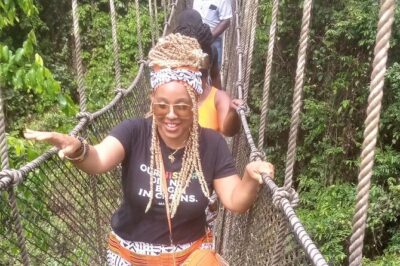
10 Days Trip to Cape Coast and Elmina Castles from Accra
Read our review →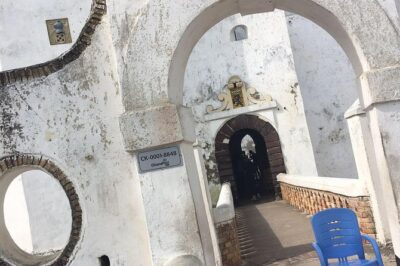
The Homecoming Experience To Cape-coast And Elmina.
Read our review →Browse the lists this tour appears in