
Reviewed · MARKETS
Accra Street Food Tour: Osu Night Market Tour Experience
Osu gets tastier after sunset. This two-hour walk links at least eight food and drink stops with the sounds, smells, and social energy of Accra’s night market. I like the small group of five and the chance to try Ghanaian favourites such as kelewele, chibom, suya, and jollof rice without guessing what to order.
I also like the local focus. Guide Nene has earned repeated praise for explaining Ghanaian food and culture in a friendly, personal way. The main caution is value: at $78 per person, you are paying for guidance and interpretation as much as for food, and one disappointing experience found the route poorly organised and shorter than advertised.
In This Review
- Key points before you book
- Starting with waakye in the heart of Osu
- Eight stops that show how Ghanaians eat
- Kelewele: sweet plantain with a serious kick
- Chibom: a filling sandwich on the move
- Suya, also called chichinga
- Jollof rice and the final hearty meal
- What the two-hour route feels like
- Why Nene matters so much
- A closer look at the eating culture
- Is $78 a fair price?
- Practical tips for a smoother evening
- Who will enjoy this Osu food walk?
- Should you book the Osu Night Market tour?
- FAQ
- Where does the Accra Street Food Tour start?
- Where does the tour finish?
- How long does the tour last?
- How many food tastings are included?
- What foods might I try?
- Is a full meal included?
- How large is the group?
- What language is the tour conducted in?
- Is transportation included?
Key points before you book
- At least eight tastings: Expect a broad sampling of snacks, drinks, grilled foods, and a final filling meal.
- Starts and ends at Auntie Niko Waakye: You return to the same food stop after walking around Osu.
- Guide Nene is the main draw: He is praised for food knowledge, cultural context, and helping people try dishes they might skip alone.
- Only two hours long: The tour is compact, so the pace may feel quick if you want long stops or lots of conversation.
- Limited to five participants: This makes it easier to ask questions and follow the guide through the market.
- Not suitable for several groups: The experience excludes children under 18, pregnant women, and people with food allergies.
Starting with waakye in the heart of Osu
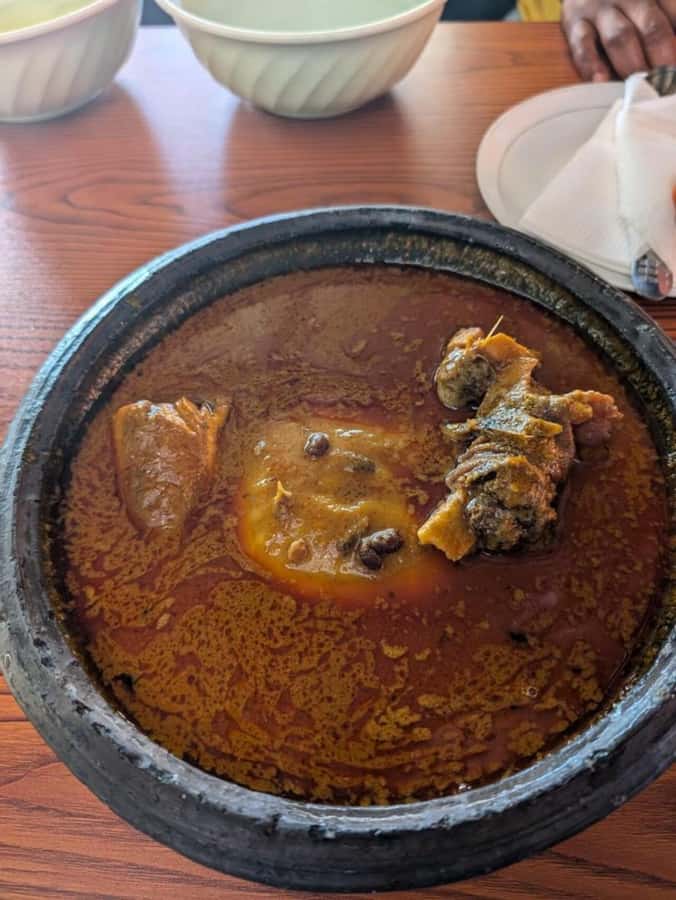
The meeting point is Auntie Niko Waakye, which gives the evening a fitting start. Waakye is a well-loved Ghanaian dish, and the name of the meeting place signals that this is a food-first outing rather than a sightseeing walk with a token snack added on.
From here, your guide leads you into Osu after dark. The neighbourhood is known for its nightlife, food stalls, music, and steady flow of people meeting up to eat. You are not simply handed a plate and left to work out what it is. The guide helps explain what you are seeing, how people order it, and why certain foods are part of everyday life in Ghana.
That local help matters most at a night market. Menus may not be written for international visitors, portions can vary, and some foods look familiar until a hot pepper sauce or unfamiliar spice changes the whole dish. A guide who speaks English and can translate when needed helps you make sense of the scene without slowing down the evening.
The route returns to Auntie Niko Waakye at the end. That simple arrangement is useful because you do not need to work out a new meeting point in an unfamiliar part of Accra.
More food tours in Accra:
- Local Ghanaian Food Tasting Tour
★ 4.1 · 9 reviews - Accra Street Food Tour: Makola Market Tour With Full Lunch
★ 4.1 · 9 reviews - Local Ghanaian Food Tasting Tours
★ 5.0 · 3 reviews
Eight stops that show how Ghanaians eat
The exact stations can vary, but the tour promises at least eight different food and drink tastings. That range is one of its strongest features. You are likely to move between quick snacks, grilled food, drinks, and a larger meal rather than eat one oversized dish from start to finish.
Kelewele: sweet plantain with a serious kick
Kelewele is made from ripe plantains fried with spices. The plantain brings sweetness, while ginger, garlic, and chili add heat and depth. It is a good early taste because it shows how Ghanaian street food often balances sweet, hot, savoury, and fragrant notes in one small serving.
If you enjoy spicy food, this may be one of the evening’s highlights. If you prefer mild flavours, ask your guide about the heat before taking a large bite. The tour is designed around trying local foods, but you should still tell Nene about your preferences at the start.
Chibom: a filling sandwich on the move
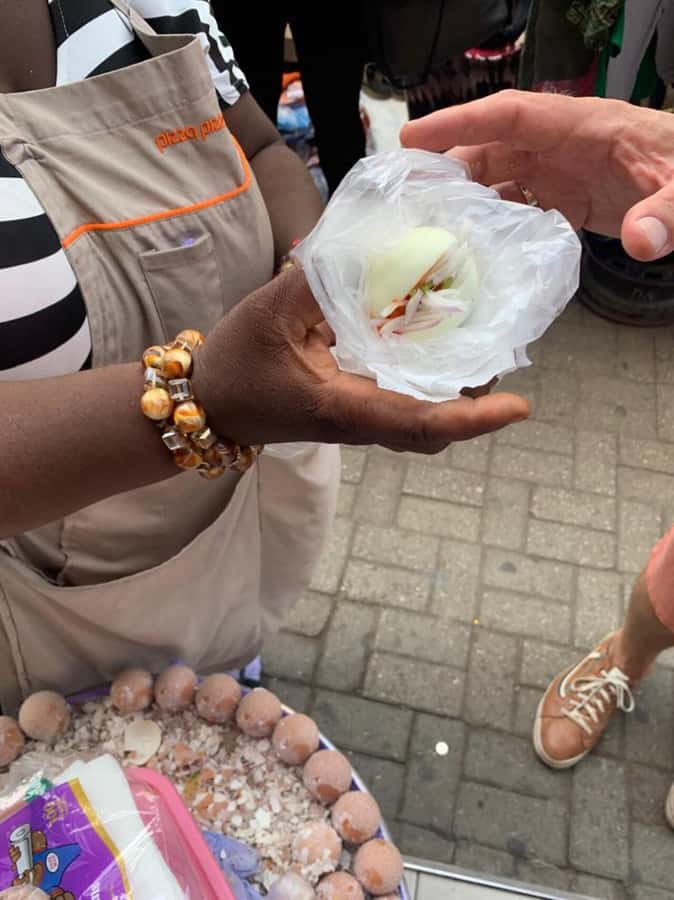
Chibom is described as a soft bread sandwich filled with fried fish, eggs, or meat, then finished with spicy pepper sauce. It is the sort of practical street food people can eat quickly while moving through the neighbourhood.
This stop adds useful context to the meal. Ghanaian street food is not only about special treats for visitors. It also includes affordable, satisfying food for people heading home, meeting friends, or needing dinner without sitting down in a formal restaurant.
A completely different sort of day out of Accra:
- The Cape Coast Day Tour
★ 5.0 · 525 reviews - Experience the Beauty, History and the Culture Of Accra in a Day
★ 5.0 · 323 reviews - The Cape Coast Tour
★ 5.0 · 177 reviews - From Accra: Cape Coast, Elmina Castle & Kakum Park Day Tour
★ 4.6 · 144 reviews
Suya, also called chichinga
Suya, or chichinga, is grilled meat on skewers. The meat is seasoned with chili, peanuts, and other spices before it reaches the grill, giving it a smoky and savoury flavour.
The appeal is immediate: grilled meat, spice, and the theatre of food cooked in front of you. Your guide can help you understand the seasoning and tell you how this snack fits into Accra’s evening food culture. Since the tour includes several stops, you can sample suya without making it your entire meal.
Jollof rice and the final hearty meal
Jollof rice is among the foods you may try, and the evening ends with a substantial meal intended to leave you full. This is important. Some food walks provide a few tiny bites and call it dinner. This one aims to give you both variety and enough food to feel satisfied.
Jollof is also a dish that prompts strong opinions across West Africa, and Ghanaian preparations are a familiar source of local pride. The tour gives you a chance to taste it in context rather than treat it as a generic rice dish.
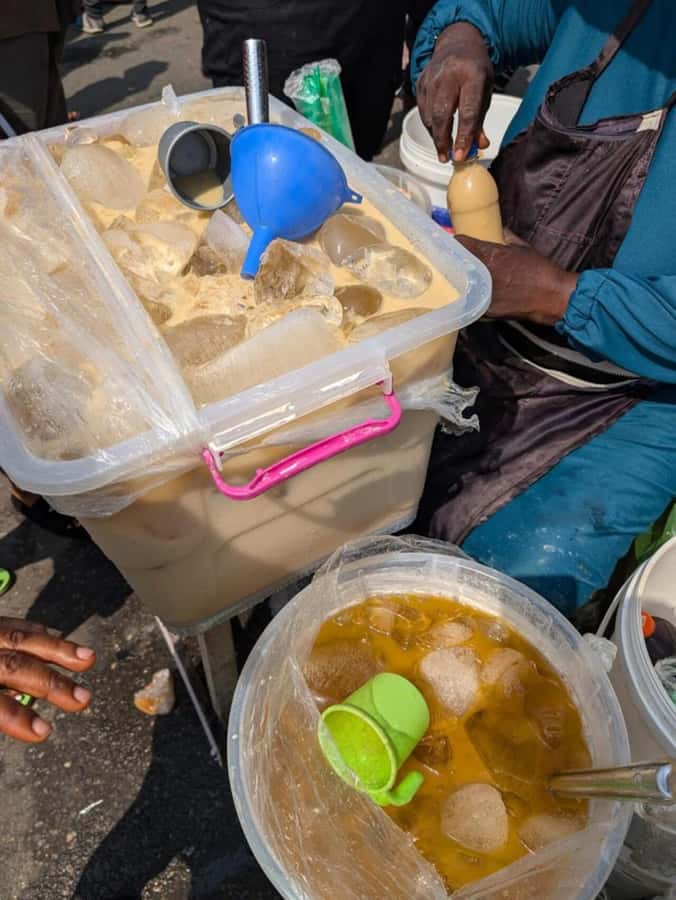
Other tastings may include drinks and additional market snacks. The supplied details do not promise a fixed menu, so you should see the examples as a guide to the style of food, not a guarantee that every item will appear on your evening.
What the two-hour route feels like
Two hours is long enough to get a useful introduction to Osu’s food scene, but short enough to fit neatly into an evening schedule. You will spend the time walking between stations, eating, asking questions, and watching the market work around you.
The market’s character comes from movement and sound. Vendors call out what they are selling, music may play nearby, and locals gather around food and conversation. You get a better sense of daily life by moving through this setting than by sitting in a hotel restaurant and ordering a familiar international dish.
Still, the short duration creates a trade-off. You should expect a lively tasting circuit, not a slow food seminar with long visits at each stall. If you want detailed cooking demonstrations or extended time with every vendor, two hours may feel tight.
One previous experience found the outing ended after about an hour and included too little food and explanation. That is the clearest warning attached to this tour. Most available ratings are strongly positive, but the route depends heavily on the guide’s preparation and pacing. Ask at the beginning how many stops are planned and what the final meal will include. That small question can help set expectations.
Why Nene matters so much
The guide is central to the value of this experience. Nene is repeatedly praised for his friendly approach, food knowledge, and ability to explain Ghanaian culture while you eat. One person described the evening as feeling like time spent with a friend showing you part of his hometown. That is exactly the right way to think about the tour.
A good market guide does several jobs at once. Nene can point out foods you might overlook, help you speak with vendors, explain unfamiliar ingredients, and keep the group moving without making the evening feel rushed. Translation assistance is available if needed, which can make short conversations with vendors easier.
The guide also provides a layer of comfort. Osu is lively after dark, and a small group is easier to manage than a large crowd. One highly positive experience specifically praised feeling safe with Nene and meeting people through his local relationships.
The praise is not universal. One lower-rated experience reported that the guides seemed pleasant but appeared to be doing the tour for the first time, leading to a planless walk and weak food coverage. Since the majority of the feedback praises Nene by name, the practical lesson is simple: confirm that Nene is leading your date if that matters to you, and ask for a clear outline of the tastings.
A closer look at the eating culture
Food is the route into the culture here. The tour explains that Ghanaians often eat socially, with friends and family gathering around shared dishes and conversation. That makes the market more than a row of stalls. It is a place where people meet, eat, and spend part of their evening together.
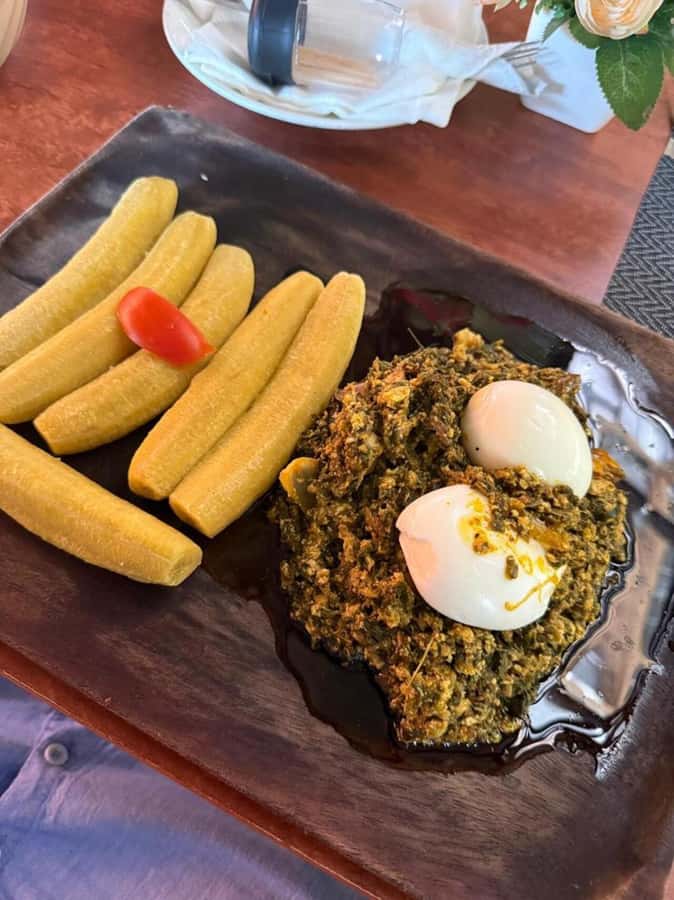
You will also see how different foods serve different purposes. Kelewele is a quick spicy snack. Chibom is portable and filling. Suya is grilled food with a strong evening appeal. Jollof rice brings the meal toward something more substantial. Together, these dishes show how street food can be both casual and deeply tied to local habits.
I like this approach because it avoids treating Ghanaian food as a checklist of exotic samples. The guide’s explanations help you understand why the food matters, not just whether you like the taste.
You should also be ready to eat in a social, informal setting. This is not a polished restaurant crawl. You may be standing, walking, eating small portions, and moving on to the next station. Wear clothes and shoes that let you do that comfortably.
Is $78 a fair price?
At $78 per person, this is not a cheap way to buy dinner. You could likely spend less by visiting a few food stalls on your own. The price makes more sense if you place value on the guide, the selection of at least eight tastings, translation help, local recommendations, and the final hearty meal.
The small group helps support that price. With no more than five participants, you can ask questions without competing with a crowd, and the guide can respond to your food preferences. That personal attention is a better fit for someone who wants context and conversation rather than a simple market walk.
The value is weaker if the experience delivers only a few bites or finishes early. That concern appears in the low-rated account, which described too little food and a tour that ended after roughly an hour. Most ratings are five stars, and the overall score is 4.7 from eight ratings, but the mixed result shows why expectations matter.
I would judge the price this way: it is reasonable for a well-run, guide-led tasting with eight or more stops and a full meal at the end. It is expensive for an unstructured stroll around a small market. Confirm the plan before setting out.
Practical tips for a smoother evening
Wear comfortable walking shoes. You will be on your feet and moving between food stations, and the market is best enjoyed when you are not thinking about sore feet.
Bring water and stay hydrated. Spicy food, warm evening air, and walking can make you thirstier than expected. Insect repellent is also recommended.
A camera can be useful for the colourful food displays and evening scenes, but ask before photographing vendors or people. The experience asks you to respect local customs, avoid littering, and refrain from smoking, alcohol, and drugs.
Food allergies are a serious issue here. The tour is listed as unsuitable for people with food allergies, so do not rely on last-minute ingredient checks. It is also not suitable for pregnant women or children under 18.
Transportation to and from the market is not included. You are responsible for getting to Auntie Niko Waakye and leaving from there after the tour. Personal purchases and extra food or drinks beyond the included tastings cost extra.
The tour is in English and is limited to five people. You can cancel up to 24 hours before the start for a full refund, and you can reserve now and pay later, which helps if your Accra schedule is still shifting.
Who will enjoy this Osu food walk?
I would recommend it to first-time visitors who want a guided introduction to Ghanaian street food without committing an entire day. It also suits curious eaters who like trying unfamiliar dishes but want someone local to explain what is on the plate.
It is a good match for solo visitors and couples because the small group creates room for questions. It can also work well early in your Accra stay, when Nene’s recommendations may help you decide what foods and neighbourhoods to explore later.
I would hesitate if you have strict dietary restrictions, dislike spicy food, or need a fully fixed menu. The tour does not provide a detailed guaranteed food list, and it is specifically unsuitable for people with allergies.
I would also skip it if your main goal is a long historical walking tour. Culture comes through food, vendors, and eating customs here. You will learn, but this is not a general tour of Accra’s monuments or past.
Should you book the Osu Night Market tour?
Book it if you want a compact, social food outing led by a local guide, and if you are happy to pay for guidance rather than simply for the meal. Nene’s warm style, the small group, and the mix of kelewele, chibom, suya, jollof, drinks, and a final full meal make this a promising introduction to Accra’s after-dark food scene.
Before paying, confirm the number of stops, the expected final meal, and whether Nene will lead your date. That is especially worthwhile because one poor experience reported a short, underfilled, poorly planned route, while the rest praised the guide and food strongly.
For adventurous eaters who want a friendly start in Osu, I would book it. For budget diners or anyone needing precise ingredients and a guaranteed menu, spend your $78 elsewhere.
FAQ
Where does the Accra Street Food Tour start?
The tour starts at Auntie Niko Waakye in Osu.
Where does the tour finish?
The experience returns to Auntie Niko Waakye after the food walk.
How long does the tour last?
The scheduled duration is two hours.
How many food tastings are included?
You will sample at least eight different foods and drinks at various food stations.
What foods might I try?
Possible tastings include kelewele, chibom, suya or chichinga, and jollof rice. The exact menu is not fixed in the supplied details.
Is a full meal included?
Yes. The tour ends with a hearty meal intended to leave you full.
How large is the group?
The tour is limited to five participants.
What language is the tour conducted in?
The tour is conducted in English. Translation assistance can be provided when necessary.
Is transportation included?
No. Transportation to and from the market is not included. Personal expenses and extra food or drinks outside the tour are also not included.
More Shopping Trips in Accra
- Cape Coast Tour (Slave market & river site)
★ 5.0 · 4 reviews
More Market Tours in Accra
- Makola Market Walking Tour
★ 5.0 · 16 reviews - Makola Market Walking Tour
★ 5.0 · 14 reviews - Private Accra Market Tour
★ 5.0 · 10 reviews - Accra, Ghana Guided Local Market Tour
★ 5.0 · 6 reviews
Just added around Accra
- Experience Cape Coast Castle and Kakum National Park★ 4.5 · 3 reviews
- Experience Northern Ghana In 10-Days★ 5.0 · 3 reviews
- Discover Ghana – Wli Waterfalls, Mountain Afadjato, Monkey Sanctuary & Akosombo.★ 4.5 · 3 reviews
- Cultural Tour Of Ghana And South Africa 12 Days★ 5.0 · 3 reviews
- Accra: City Highlights Half-day Guided Tour with Transfers★ 4.1 · 3 reviews
- Accra: Half day private safari with pick up★ 3.5 · 3 reviews
- Full Day Accra Guided Tour★ 5.0 · 3 reviews
- Experience Aburi Botanical Gardens And Boti Water Falls In A Day.★ 5.0 · 3 reviews
Markets, compared.


Accra Street Food Tour: Makola Market Tour With Full Lunch
Read our review →

Browse the lists this tour appears in