
Reviewed · MARKETS
Makola Market Walking Tour
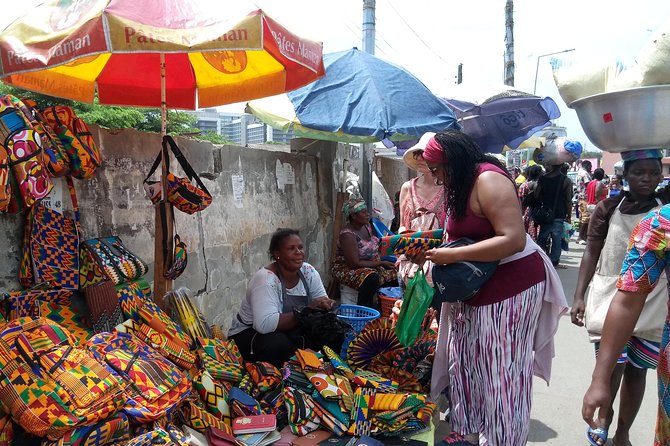
Accra gets loud, fragrant, and wonderfully real. The Makola Market Walking Tour gives you a close look at daily Ghanaian life, from palm oil and gari in the food stalls to textiles, cosmetics, jewelry, medicine, electronics, and used clothing. I especially like the chance to walk with a local guide and the practical help with finding goods and negotiating prices. The main drawback is the setting itself: Makola is busy, crowded, and intense, so you need energy, patience, and a taste for sensory overload.
This private English-language tour runs for about two to three hours and costs $58 per person. Guides such as Ben, Benjamin, and Prince have helped visitors navigate the market, explain local customs, and locate specific items. If you want a polished sightseeing route, this may feel rough around the edges. If you want Accra as people actually use it, that is the point.
In This Review
- Key Things To Know Before You Go
- Entering Makola Market With A Local Guide
- The Food Section Shows Ghana From The Pantry Up
- Textiles, Cosmetics, Jewelry, And Everyday Shopping
- Artisan And Timber Areas For A Longer Walk
- Agblobloshie And The Secondhand Clothing Stalls
- What The Two To Three Hours Feel Like
- Is $58 A Fair Price?
- Who Will Enjoy This Market Walk Most?
- Practical Tips For Getting More From Makola
- Should You Book The Makola Market Walking Tour?
- FAQ
- Where does the Makola Market Walking Tour take place?
- How long does the tour last?
- How much does the tour cost?
- Is the tour private?
- What language is the tour conducted in?
- What is included in the tour?
- Which parts of Makola Market can I see?
- Can I cancel the tour for a refund?
Key Things To Know Before You Go
- Food stalls reveal the Ghanaian kitchen: See gari, palm oils, local spices, fresh produce, fish, giant snails, bush meat, and edible cow hide.
- A guide matters here: Ben and Benjamin have helped with directions, shopping, prices, and even practical problems such as finding a replacement suitcase.
- The tour goes beyond food: You may visit cosmetics, jewelry, textiles, pharmaceuticals, groceries, electronics, artisan goods, timber, and secondhand clothing.
- You can taste local treats: Agneli kaklo and tiger nuts have been particular favorites during the market walk.
- It is a private group experience: You get a more personal outing than you would on a large group route.
- The price pays for local help: At $58, the value comes less from included extras and more from access, orientation, translation, and shopping support.
Entering Makola Market With A Local Guide
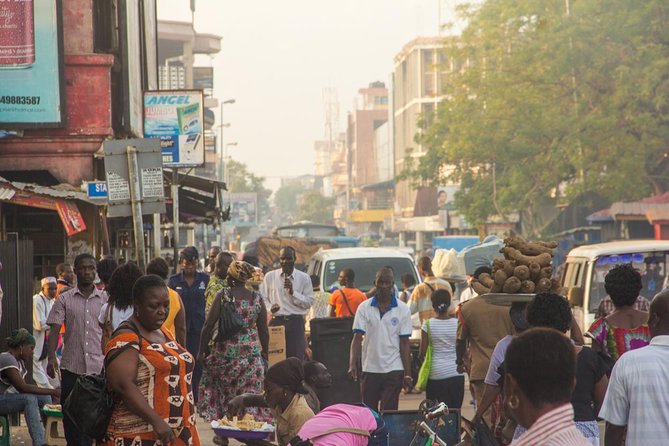
Your meeting point depends on the option you select, and the tour ends with drop-off in the Accra Metropolis area or at the Accra Metropolitan Assembly. From there, your guide leads you on foot into Makola, one of Africa’s largest open markets.
That local escort is the heart of the experience. Makola is not a single neat hall with numbered aisles. It spreads across different sections and nearby streets, with goods changing as you walk. You might know that you want fabric, spices, a replacement bag, or a certain household item, but not know where to begin. A guide can point you in the right direction instead of leaving you to wander.
Ben received particularly warm praise for helping with purchases and finding fairer prices. He also spent extra time helping locate a replacement for a broken suitcase. That kind of assistance matters more than a memorized speech. It turns a big, confusing shopping area into a place you can use.
Prince has also guided visitors through Makola and combined the market with an Accra history tour. He was praised for explaining facts along the way and even making time to pass Jubilee House during a wider day out. That pairing could suit you if you want market life and city history in one day.
More market tours in Accra:
- Makola Market Walking Tour
★ 5.0 · 14 reviews - Private Accra Market Tour
★ 5.0 · 10 reviews - Accra Street Food Tour: Makola Market Tour With Full Lunch
★ 4.1 · 9 reviews
The Food Section Shows Ghana From The Pantry Up
The food area is the natural starting point. Instead of beginning with monuments or a formal museum, you begin with the ingredients that shape everyday meals.
Your guide can explain gari, a cassava product, along with red and white palm oils, local spices, fruits, and vegetables. These are not just items to photograph. They help you understand what Ghanaian cooking depends on and how ingredients move from market stall to home kitchen.
The tour also introduces foods that may be unfamiliar to you, including bush meat, fish, giant snails, and edible cow hide. Some people will find this fascinating. Others may prefer to observe rather than taste or ask too many questions near the meat stalls. The strength of having a guide is that you can ask what something is, how it is used, and what is considered ordinary in the local kitchen.
You may also get the chance to try small local foods. Agneli kaklo and tiger nuts were singled out as memorable tastes. Tiger nuts, in particular, made a strong impression on one visitor. Since the tour information does not promise a fixed tasting menu, treat any sampling as a possible bonus rather than a guaranteed part of the ticket.
This section is one of the best reasons to take the tour early in your Accra stay. You get useful context for later meals, grocery shopping, and conversations about Ghanaian food. You also see that a market visit can teach culture without turning daily life into a staged performance.
Textiles, Cosmetics, Jewelry, And Everyday Shopping
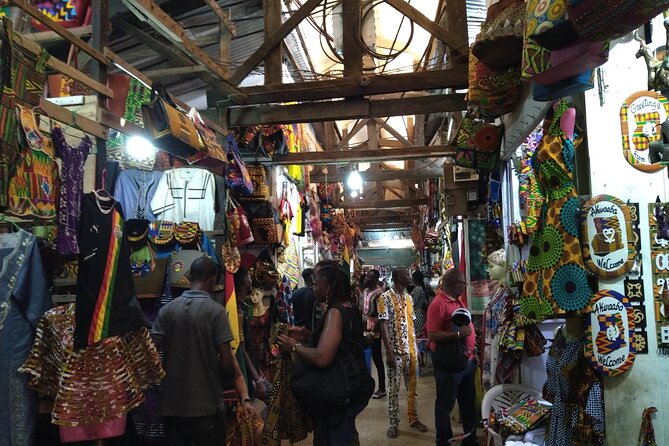
After the food market, the route moves through other parts of Makola. You can expect to see cosmetics, jewelry, textiles, pharmaceuticals, groceries, and electronics.
The textile section may be the most appealing stop if you want something light and easy to take home. You can look at colors, patterns, and fabric types while your guide helps you identify the right part of the market. If you already know what you want, say so at the start. One useful tip is to give your guide a shopping list, because the market is large and time passes quickly.
Shopping here is part of the experience, but you should not feel pressured to buy. You can use the walk to learn how goods are arranged and how local commerce works. If you do purchase something, your guide may help you negotiate, as Ben and Benjamin did for several visitors.
That price support adds real value. A $58 tour can sound expensive if you view it as only a two-hour walk. It makes more sense if you want a local person beside you while you compare items, ask questions, and avoid spending your limited Accra time in the wrong section.
The cosmetics, pharmacy, and electronics areas also show the market’s practical side. Makola is not built only for sightseeing. It serves people looking for ordinary goods, personal items, and household needs. That makes the experience feel more connected to city life than a tourist-only shopping stop.
Artisan And Timber Areas For A Longer Walk
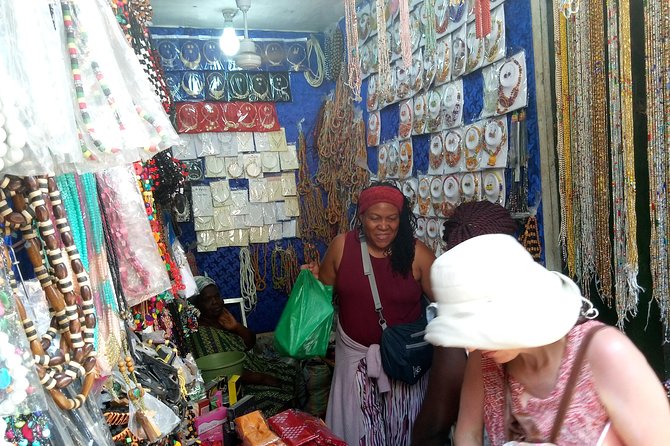
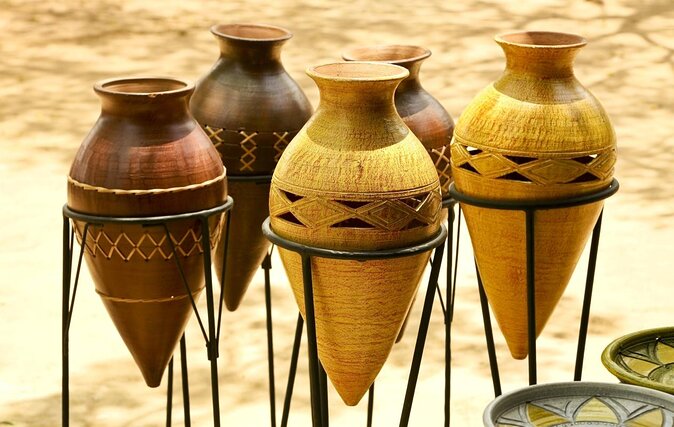
If you still have time and energy, the tour can continue to the artisan and timber sections. These areas are known for skilled makers and building supplies.
This extension is best for you if you enjoy seeing workspaces and trade materials rather than simply browsing souvenirs. The timber area is connected with items needed for construction, so it offers a different view of the market from the food and fashion sections.
The important phrase is if you have energy and time. The full walk can last two to three hours, and the market itself can be tiring. Heat, noise, crowds, and constant movement may wear you down before the final sections. Do not feel that you have failed if you choose a shorter route. The central food, textiles, and shopping areas already provide plenty to see.
Ask your guide what can reasonably fit into your time. A private group gives you more room to shape the route, though the exact path depends on the selected option and the conditions on the day.
More shopping trips in Accra:
- Accra Street Food Tour: Osu Night Market Tour Experience
★ 4.7 · 8 reviews - Accra, Ghana Guided Local Market Tour
★ 5.0 · 6 reviews - Cape Coast Tour (Slave market & river site)
★ 5.0 · 4 reviews
Agblobloshie And The Secondhand Clothing Stalls
Agblobloshie can also be visited as part of the wider market outing. It is described as Ghana’s largest vegetable market, making it another useful stop if your interest is food supply and local commerce.
The route may also reach the used clothing area, known locally as Broni wawu, or the bend-down boutique. The phrase refers to secondhand clothing, and the selection can include everything from underwear and shirts to shoes.
This section has an earthy, practical appeal. You are not looking at carefully arranged souvenir displays. You are seeing how used clothing is bought and sold, with the possibility of finding something inexpensive and unexpected. The drawback is that the clothing area can be just as crowded and disorderly as the rest of the market, so keep your expectations simple.
Because the route has several possible extensions, you should make your priorities clear. If you care most about food, ask for more time there. If you need fabric, clothing, or a specific household item, tell the guide early. A good route here is not about covering every corner. It is about seeing the sections that matter most to you.
What The Two To Three Hours Feel Like
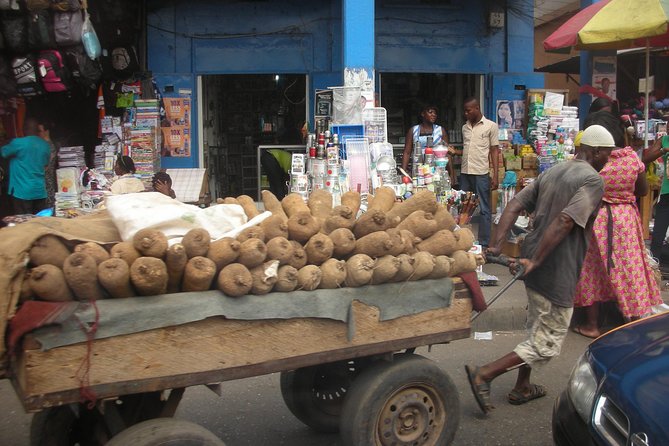
The listed market visit lasts about two hours, while the full experience may run two to three hours depending on the selected option and how far you go. That is enough time to gain a strong overview, but not enough to inspect every stall.
The private format is a major plus. You are not tied to the pace of a large group, and you can ask questions as you go. The guide can also be attentive to your comfort. Flora’s guide was praised for taking care in a busy setting and sharing fun facts along the route.
Still, private does not mean quiet. Makola remains a working market. Expect noise, close traffic around the walking route, strong smells, and frequent stops. The experience is better if you treat those conditions as part of the setting instead of expecting a calm promenade.
Water is included, which is useful during a walking tour. Wear practical shoes and bring only what you need, although those suggestions are common sense rather than stated tour requirements. The supplied details do not give a dress code, a specific meeting time, or accessibility information, so ask the provider if those points affect your plans.
Is $58 A Fair Price?
At $58 per person, this is not the cheapest way to walk through a market. You can enter a market without paying for a tour. The question is what you want from the visit.
The fee includes water and guiding from a local expert. Its real value comes from navigation, explanations, shopping support, and the confidence of having someone beside you. Several guides have helped visitors find particular items, negotiate prices, and understand what they were seeing.
The private group format also changes the calculation. If you are traveling alone or with a small party, the cost buys personal attention rather than a general introduction shouted to a crowd. If you only want to take a quick look and do not plan to shop, the price may feel harder to justify.
I see the tour as good value for first-time visitors who want context and practical help. It is especially useful if you are curious about Ghanaian food, want to shop for textiles or clothing, or feel unsure about navigating a huge open market alone.
The booking terms add flexibility. You can cancel up to 24 hours before the experience for a full refund, and you can reserve now and pay later. Those terms are useful when your Accra schedule is still changing.
Who Will Enjoy This Market Walk Most?
This tour suits you if you like active sightseeing, local food, shopping, and ordinary city life. It is also a good choice if you want to ask questions without feeling awkward or if you have a short stay and want one concentrated introduction to Accra.
It may work particularly well for:
- First-time visitors to Accra
- People interested in Ghanaian cooking and ingredients
- Shoppers looking for fabric, clothing, jewelry, or practical goods
- Visitors who prefer a private group
- Anyone who wants help with directions and local prices
- Curious eaters who enjoy trying foods such as tiger nuts
You may want another type of outing if you dislike crowds, heat, market smells, or negotiating. The tour is not a quiet cultural lecture. It is a working market walk, and that means the experience can be messy, noisy, and unpredictable.
Practical Tips For Getting More From Makola
Tell your guide what you want before the walk begins. If you are searching for textiles, a suitcase, clothing, spices, or another item, a clear request can save time.
Bring questions. Ask about ingredients, local names, how a food is prepared, or why different sections are arranged as they are. The tour becomes much better when you treat the guide as a local problem-solver rather than simply someone leading the way.
Leave room for surprises. One person arrived interested in produce and textiles, tried Agneli kaklo and tiger nuts, and ended up getting help with a broken suitcase. That is a good picture of Makola: you may begin with one goal and find the market offers several more.
If you want more history, consider combining the market with an Accra history tour led by the same provider. Prince has guided a full day that included Makola, historical explanations, and a drive past Jubilee House. That combination makes sense if you prefer one longer day with a single guide.
Should You Book The Makola Market Walking Tour?
Book it if you want to see Accra through food, trade, clothing, and everyday shopping rather than only through major sights. The strongest reasons are the private format, the useful local guidance, and the chance to explore sections you would probably miss on your own.
I would not book it simply for a quick photo stop. The market is large, and the best parts come from asking questions, following the guide into different sections, and taking time to understand what you are seeing. At $58, it earns its price when you use that local help.
For a first visit to Accra, this is a lively and practical introduction to Ghanaian culture. Just arrive ready for noise, crowds, walking, and a market that does not tidy itself up for tourists.
FAQ
Where does the Makola Market Walking Tour take place?
The tour takes place at Makola Market in Accra, Ghana. The supplied location information identifies the broader area as Ghana’s Central Region.
How long does the tour last?
The experience lasts approximately two to three hours. The guided market visit itself is listed as about two hours.
How much does the tour cost?
The price is $58 per person.
Is the tour private?
Yes. The experience is offered as a private group tour.
What language is the tour conducted in?
The live tour guide speaks English.
What is included in the tour?
Water and guiding services from a local expert are included.
Which parts of Makola Market can I see?
The route can include the food market, cosmetics, jewelry, textiles, pharmaceuticals, groceries, electronics, artisan and timber areas, Agblobloshie vegetable market, and the used clothing section known as Broni wawu or the bend-down boutique.
Can I cancel the tour for a refund?
Yes. You can cancel up to 24 hours in advance for a full refund. You can also reserve the experience and pay later.
More Walking Tours in Accra
- Walking Tours In Cape Coast And Elmina
★ 5.0 · 9 reviews - Accra Zoo, Canopy Walk and Botanical Gardens Private Tour
★ 5.0 · 3 reviews
Just added around Accra
- Experience Cape Coast Castle and Kakum National Park★ 4.5 · 3 reviews
- Experience Northern Ghana In 10-Days★ 5.0 · 3 reviews
- Discover Ghana – Wli Waterfalls, Mountain Afadjato, Monkey Sanctuary & Akosombo.★ 4.5 · 3 reviews
- Cultural Tour Of Ghana And South Africa 12 Days★ 5.0 · 3 reviews
- Accra: City Highlights Half-day Guided Tour with Transfers★ 4.1 · 3 reviews
- Accra: Half day private safari with pick up★ 3.5 · 3 reviews
- Full Day Accra Guided Tour★ 5.0 · 3 reviews
- Experience Aburi Botanical Gardens And Boti Water Falls In A Day.★ 5.0 · 3 reviews
Markets, compared.


Accra Street Food Tour: Makola Market Tour With Full Lunch
Read our review →
Accra Street Food Tour: Osu Night Market Tour Experience
Read our review →
Browse the lists this tour appears in