
Reviewed · ACCRA
A Taste of West Africa – Ghana Togo & Benin
West Africa rewards curious minds. This private eight-day journey links Ghana, Togo, and Benin with one guide and a steady mix of castles, markets, museums, shrines, and local traditions. I like the way it moves beyond Accra to places many first-time visitors would struggle to arrange alone, especially the Ashanti and coastal heritage sites, Togoville, and Ganvie on Lake Nokoue.
I also like the personal care built into the trip. Solo guests have received close support from guides such as Patrick, while the operator has shown flexibility in adjusting plans to suit individual needs. The main consideration is pace: three countries in eight days means long road days, early starts, and only a short time at some stops.
In This Review
- Key points to know before booking
- Why this cross-border route works
- Day 2: Kakum’s canopy and Cape Coast’s sobering walls
- Day 3: Elmina Castle and Fort St Jago
- Day 4: Coffins, art, and Accra’s national story
- Day 5: Crossing into Togo through markets and sacred places
- Day 6: Porto-Novo’s Afro-Brazilian story
- Day 7: Ganvie, sacred pythons, and Ouidah
- Day 8: A final Accra shopping window
- Guides, private travel, and the human side
- What the price includes, and what it does not
- Who should choose this tour?
- FAQ
- How long is the tour?
- What time does the tour start?
- Is this a private tour?
- Are accommodation and meals included?
- Is the tour suitable for children?
- Can I cancel for a full refund?
- Should you book it?
Key points to know before booking
- Three countries in eight days: You travel from Accra through Ghana’s coast, into Togo, and onward to southern Benin.
- Private guiding: Only your group takes part, allowing more direct help with timing, questions, and personal needs.
- Ghana’s difficult past: Cape Coast Castle and Elmina Castle explain the slave trade through the actual forts where much of that story unfolded.
- Living spiritual traditions: The route includes Akodessewa Fetish Market, Togoville shrines, the Temple of Pythons, and cultural ceremonies connected with the region.
- Lake villages and water travel: Boat trips on Lake Togo and Lake Nokoue lead to Togoville and Ganvie, two of the trip’s most unusual settings.
- A useful value package: Lodging and some meals are included, along with many admission fees, but the price still requires a close look at what is and is not covered.
Why this cross-border route works
At $2,861.54 per person, this is not a budget sightseeing loop. It is a private, guided trip that handles the difficult parts of crossing borders and reaching sites spread across three nations. The value comes from having transport, a guide, accommodation, and many entry fees arranged in one package.
I would consider the price reasonable for someone who wants structure and support rather than piecing together separate drivers, hotels, and excursions. You are paying for access and coordination as much as for sightseeing. Still, ask for a clear breakdown of included meals, lodging, border arrangements, and any extra charges before you commit.
The tour is commonly booked about 115 days ahead, which gives you a useful planning target. That lead time may matter because this is a private trip and international border crossings require more organization than a single-city outing.
The day begins at 8:00 a.m., and the activity starts and ends in Accra. A representative from Blastours meets you for the hotel transfer on arrival. If your arrival time allows, the first introduction may be a walk through James Town, one of old Accra’s historic quarters.
That opening is a good idea. After a flight, you may not be ready for a full sightseeing day, but a short walk can help you get your bearings and begin with street life rather than a hotel lobby.
Other Accra trips people book alongside this one:
- The Cape Coast Day Tour
★ 5.0 · 525 reviews - Experience the Beauty, History and the Culture Of Accra in a Day
★ 5.0 · 323 reviews - The Cape Coast Tour
★ 5.0 · 177 reviews
Day 2: Kakum’s canopy and Cape Coast’s sobering walls
Kakum National Park brings a welcome change from city streets. You have about two hours here, with a choice between a one-hour forest trail walk and the high canopy walkway, described as the longest and highest in West Africa.
The canopy route is the headline attraction. It offers a view from above the rainforest, but you should be comfortable with height and moving walkways before choosing it. If you prefer firm ground, the forest trail gives you a quieter way to experience the park.
Next comes Cape Coast Castle, with about an hour inside. The fortress began under Swedish control in 1653, later passed to the Danes, and was eventually taken by the British. Its walls are not just old architecture. They frame the painful story of the Atlantic slave trade.
The route also includes short stops at an oil palm plantation and a local factory. These visits add a look at work in progress, though the schedule may feel full after the national park and castle. You will get the most from this day if you treat it as an introduction rather than expecting long, unhurried visits at every point.
Day 3: Elmina Castle and Fort St Jago
Elmina Castle gives you another direct encounter with the slave trade, this time in a well-preserved fortress. The one-hour visit is likely to feel intense, particularly after Cape Coast Castle the day before.
Seeing both castles is worthwhile because each site helps explain the coastal system from a different location. It can also be emotionally demanding, so leave room for quiet reflection instead of trying to race from one photo stop to the next.
Fort St Jago forms part of the Elmina city visit. Here, the focus shifts toward the colonial past and the present-day life of the Fanti people. That balance matters. The tour does not treat Elmina as a museum frozen in time, but connects the old fortifications with the city that surrounds them.
The two-hour schedule is compact but sensible. I would wear comfortable shoes and keep water close, since the day combines walking, historic sites, and an urban visit.
Day 4: Coffins, art, and Accra’s national story
The fourth day returns to Accra and offers a lighter, more varied set of stops. At Nungua Local Market, you meet a coffin maker whose work reflects a person’s occupation, interests, or social identity. These unusual designs turn a funeral object into a form of local art and personal storytelling.
The Artists Alliance Gallery follows with contemporary paintings and sculpture by established and newer Ghanaian artists. I like this pairing because it places a traditional craft beside current creative work. You see Ghana not only through old monuments, but through artists working today.
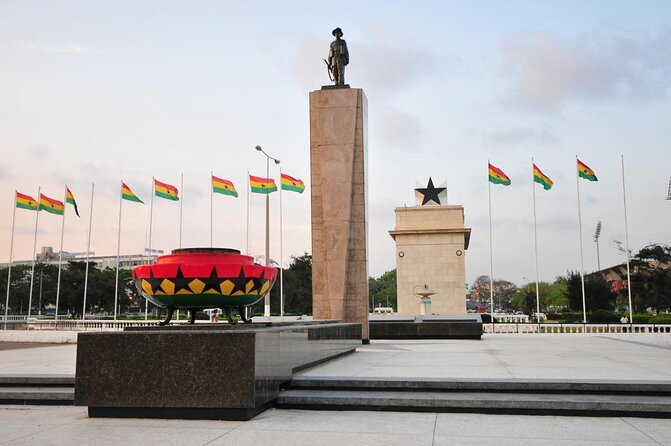
Independence Square, also called Black Star Square, marks Ghana’s declaration of independence in 1957. The visit lasts about 30 minutes, which is enough to understand the site without letting a formal open space take over the day.
At the Center for National Culture, you can browse Ghana’s largest craft market. African art, handmade goods, and traditional clothing are available, so this is one of the better points in the schedule for shopping. Prices and bargaining customs are not stated, so ask your guide how to approach purchases before you begin.
A completely different sort of day out of Accra:
- From Accra: Cape Coast, Elmina Castle & Kakum Park Day Tour
★ 4.6 · 144 reviews - Accra Detailed City Tour
★ 4.5 · 118 reviews - Accra Guided City Tour Experience
★ 4.7 · 88 reviews - Accra Guided City Tour Experience
★ 5.0 · 76 reviews
Day 5: Crossing into Togo through markets and sacred places
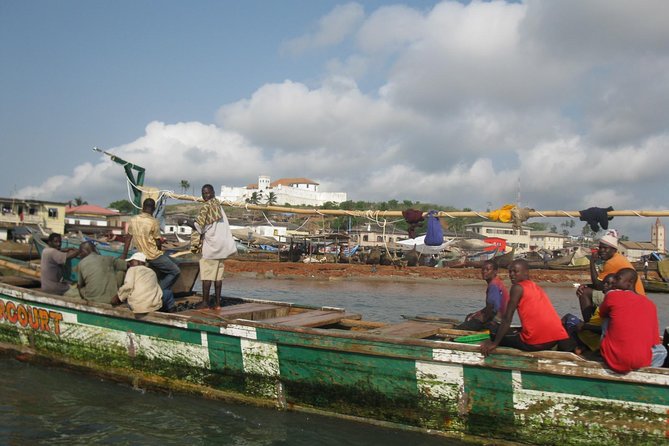
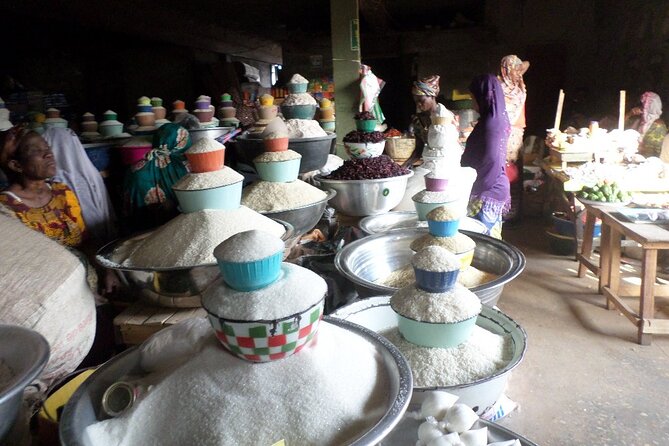
Togo begins with the Grand Marche, a large open-air market associated with the famous Nana Benz women, who became prominent in the region’s cloth trade. You will have about an hour here, enough for a first look but not a long shopping expedition.
The Akodessewa Fetish Market is one of the most confronting stops. It sells remedies and charms used in local voodoo practice, and the visit lasts around 30 minutes. This is not a staged theme-park display. You should approach it with respect, ask before photographing, and expect material that some people may find unsettling.
Admission to this market is not included, unlike many other stops, so budget for that extra cost. The details are not specified, which makes it sensible to confirm the amount before the visit.
At Lake Togo, a boat carries you to Togoville. The two-hour visit includes shrines, an old German cathedral, and the traditional museum of the King of Togoville. This is an important cultural shift in the itinerary. You are not simply viewing colonial buildings, you are seeing how religious and royal traditions remain part of the area’s identity.
The boat ride also breaks up the road travel. Still, border crossings and the day’s several stops can make timing less predictable. Keep your schedule flexible and do not plan an important independent appointment for the evening.
Day 6: Porto-Novo’s Afro-Brazilian story
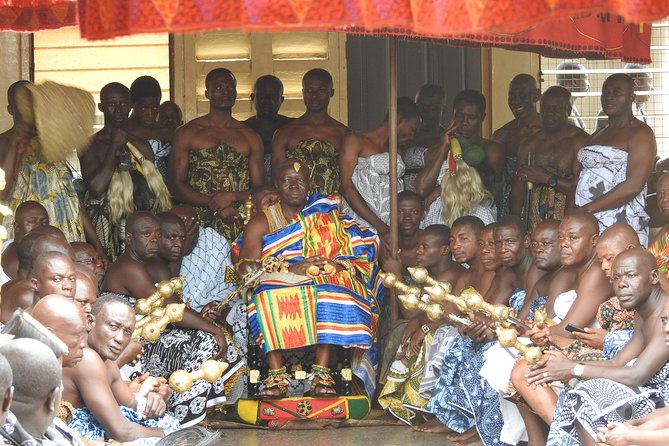
Porto-Novo offers one of the trip’s strongest cultural chapters. Afro-Brazilians settled here after emancipation in Brazil, leaving a clear mark on the city’s buildings, religious sites, and cultural life.
The Great Mosque is especially unusual. It was originally designed as a church in a Brazilian style, and its form reflects the movement of people and ideas across the Atlantic. This is a useful reminder that West African history is not confined to European contact. It also includes return journeys from the Americas and new communities built in Africa.
The visit includes the market, the Ethnographic Museum, Da Silva Museum, and the 300-year-old Palace of King Toffa. Together, these places cover daily life, art, royal history, and Afro-Brazilian connections.
You have about two hours for this group of sights. That is enough for a guided overview, but probably not for close study of every display. If one museum captures your interest, tell your guide early and ask how much time can be shifted.
Day 7: Ganvie, sacred pythons, and Ouidah
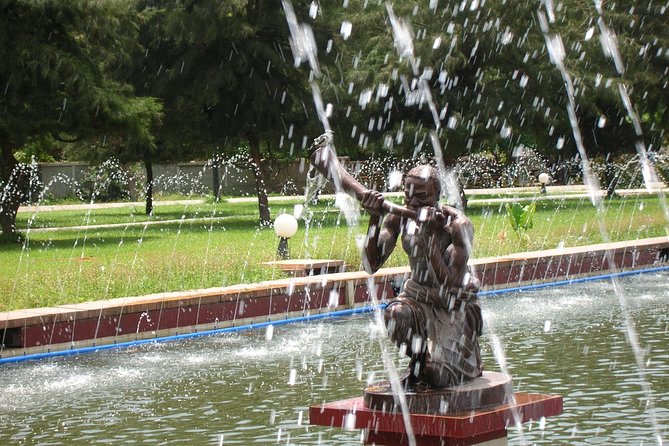
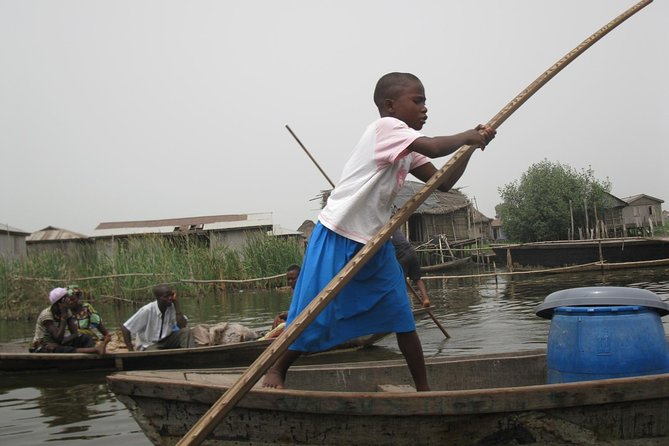
The boat trip on Lake Nokoue is one of the route’s major rewards. It leads to Ganvie, a 500-year-old village built on the water and often called the Venice of Africa.
The village grew as people sought refuge from attacks by the Fon and Dahomey warriors. A belief that fighting on water was forbidden helped make the lake a place of safety. That background gives the boat ride meaning beyond scenery. You are seeing how geography shaped settlement and survival.
The lake visit lasts around two hours. Boat travel can be exposed to sun and weather, so bring suitable clothing and follow the guide’s instructions. The supplied details do not promise a particular boat style or onboard facilities, so ask ahead if those points matter to you.
Next comes the Sacred Forest and Temple of Pythons. The site is home to sacred snakes and offers a direct look at religious traditions that are still present in Benin. You may find the setting fascinating, but anyone uneasy around snakes should know exactly what the visit involves before going.
The Ouidah Museum of History occupies a former Portuguese fort. Its displays focus on the slave trade and Benin’s cultural links with Brazil and the Caribbean. The stop lasts only about 30 minutes, so expect a concise visit rather than a full museum afternoon.
Day 8: A final Accra shopping window
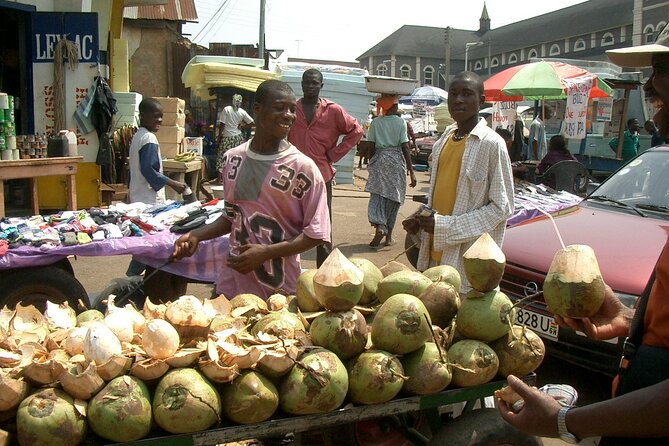
The final stop is Osu Oxford Street, with about two hours for shopping before departure. It is a practical ending, especially if you want to buy art, clothing, or small gifts after seeing the markets earlier in the trip.
Because the tour returns to its Accra meeting point, confirm your departure timing carefully. The schedule gives you a free shopping period, but it does not provide a detailed airport transfer plan in the information available.
Guides, private travel, and the human side
The private format is the strongest feature for many kinds of visitors. You do not share the vehicle or guide with strangers, and the schedule can be discussed within your own group. That matters on a route where some people will want more time at a castle, while others may prefer markets or religious sites.
Patrick is specifically praised for caring for a solo guest, driving skillfully, and offering steady support throughout the trip. Another solo visitor described Blastours as reliable, flexible, honest, and quick to answer messages. That combination is valuable if this is your first trip to Africa or your first time handling several West African borders.
The operator has also adjusted itineraries to fit personal requirements. Dietary needs should be provided at booking, and a multilingual guide may operate the tour. Those details are small but important on a long private trip.
You should still be ready to participate. A moderate level of fitness is required, and the schedule includes walking, forest paths, castle visits, markets, and boat rides. Children must be accompanied by an adult, and smart-casual clothing is requested.
What the price includes, and what it does not
The advertised price is $2,861.54 per person. Accommodation and some meals are included, as are admission fees at many major sites. A private vehicle and guide across three countries also form a large part of the cost.
Not every expense is covered. The Akodessewa Fetish Market lists admission as extra, while the Center for National Culture and Grand Marche have no admission fee. Shopping, additional food, and personal spending are separate, and the exact lodging standard is not stated.
I would ask these questions before paying:
- Which hotels are used in each city?
- Which meals are included?
- Are border fees and local transport included?
- What is the extra charge at Akodessewa?
- How much luggage can the vehicle hold?
The cancellation terms are friendly: you can receive a full refund if you cancel at least 24 hours before the local start time. Changes or cancellations inside that window are not accepted for a refund.
Who should choose this tour?
I would recommend it to a curious first-time visitor who wants a guided introduction to Ghana, Togo, and Benin without arranging every road transfer independently. It also suits solo visitors who value dependable support and families with older children who can manage a full sightseeing schedule.
It is less suitable if you want slow travel, long museum visits, or several free days in each country. The route covers a lot, but that breadth comes with compressed visits and potentially tiring road sections.
The strongest reasons to book are the private format, Patrick’s reputation for personal care, the three-country route, and the balance between major heritage sites and living cultural traditions. The strongest reasons to hesitate are the price, the fast pace, and the need to confirm exactly what accommodation and meals include.
FAQ
How long is the tour?
The tour lasts approximately eight days, beginning and ending in Accra.
What time does the tour start?
The stated start time is 8:00 a.m.
Is this a private tour?
Yes. Only your group participates in the activity.
Are accommodation and meals included?
Accommodation and some meals are included. The available information does not specify the hotels or the exact number of meals.
Is the tour suitable for children?
Children must be accompanied by an adult. A moderate level of physical fitness is required.
Can I cancel for a full refund?
Yes, if you cancel at least 24 hours before the experience start time. Cancellations made less than 24 hours before the start are not refunded.
Should you book it?
Book this trip if you want one organized route through Ghana, Togo, and Benin, with private guiding and strong access to cultural sites. I would especially favor it for a solo visitor or anyone who wants the reassurance of a responsive local company.
Before confirming, ask for the hotel list, meal plan, border details, and all extra fees. If those answers fit your budget and you are comfortable with a busy schedule, this is a powerful introduction to West Africa, with castles, markets, sacred places, and lake villages that are difficult to combine on your own.
Just added around Accra
- Experience Cape Coast Castle and Kakum National Park★ 4.5 · 3 reviews
- Experience Northern Ghana In 10-Days★ 5.0 · 3 reviews
- Discover Ghana – Wli Waterfalls, Mountain Afadjato, Monkey Sanctuary & Akosombo.★ 4.5 · 3 reviews
- Cultural Tour Of Ghana And South Africa 12 Days★ 5.0 · 3 reviews
- Accra: City Highlights Half-day Guided Tour with Transfers★ 4.1 · 3 reviews
- Accra: Half day private safari with pick up★ 3.5 · 3 reviews
- Full Day Accra Guided Tour★ 5.0 · 3 reviews
- Experience Aburi Botanical Gardens And Boti Water Falls In A Day.★ 5.0 · 3 reviews