Reviewed · TOURS
Accra Architectural Tour
Accra’s old streets tell the city’s story. This six-hour architectural tour links Danish, Dutch, and English quarters with the Ga-Mashie neighborhood of Jamestown, giving you a useful way to read Accra beyond its modern traffic and concrete buildings. I like the mix of walking, local history, and private transport, and I especially like that the day ends at the Accra International Art Centre rather than at a generic souvenir stop. The main consideration is pacing: the walking portion is listed as three to four hours, so Accra’s heat makes good shoes, water, a hat, and sunscreen essential.
I also like the personal feel promised by TourGuideKormi’s team. Guides including Abena and Princess received warm praise for making solo visitors feel comfortable, while driver Kwame was singled out for friendly conversation and local insight. The tour’s overall rating is 3.9 from five ratings, though the lowest score concerned a separate food experience arranged after the guest missed this tour, so it offers limited evidence about the architectural outing itself.
In This Review
- Key details before you book
- Why Accra’s architecture deserves a guided walk
- Starting among Accra’s Danish, Dutch, and English quarters
- Reading the pre-colonial buildings beside later landmarks
- Entering Ga-Mashie and Jamestown
- Finishing at the Accra International Art Centre
- What the guide and vehicle add
- Six hours, $130, and the question of value
- Who will enjoy this Accra architecture tour
- Should you book the Accra Architectural Tour?
- FAQ
- Where does the Accra Architectural Tour take place?
- How long does the tour last?
- How much does the tour cost?
- Is transportation included?
- What languages are available?
- Is the tour wheelchair accessible?
- What should I bring?
- Can I cancel the booking?
Key details before you book
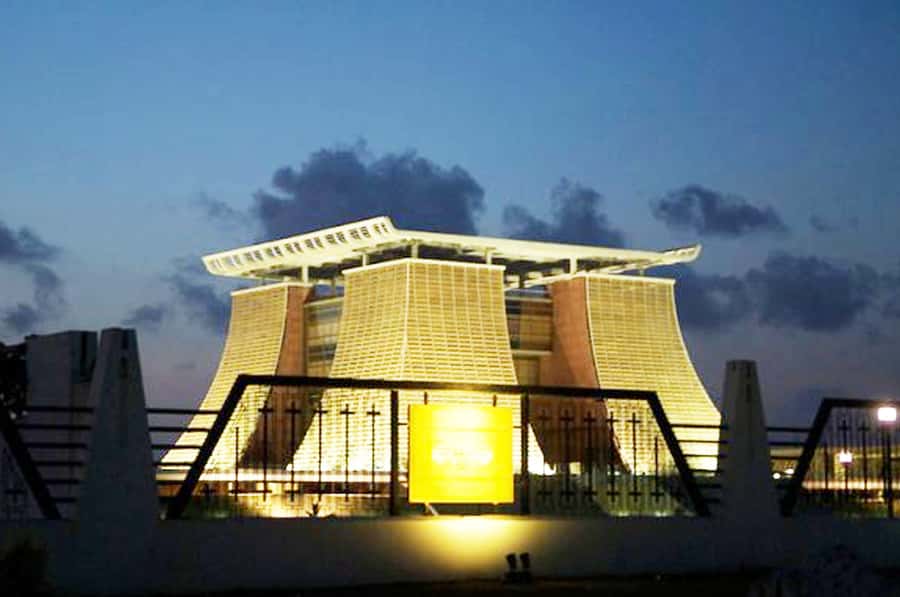
- Six hours with private transport: You get a private vehicle along with the walking sections, useful in a spread-out city where heat and traffic can sap your energy.
- Four layers of Accra’s past: The route connects pre-colonial buildings with Danish, Dutch, and English-era homes, mansions, and public landmarks.
- Jamestown’s Ga-Mashie setting: This neighborhood brings the tour closer to Accra’s local urban life, rather than keeping you only among colonial facades.
- Art shopping at the finish: The Accra International Art Centre gives you time to browse Ghanaian crafts and choose a souvenir.
- English or French support: A live guide is available in English or French, with audio support in English, French, or German.
- Flexible booking: You can cancel up to 24 hours before departure for a full refund and reserve without paying immediately.
Why Accra’s architecture deserves a guided walk
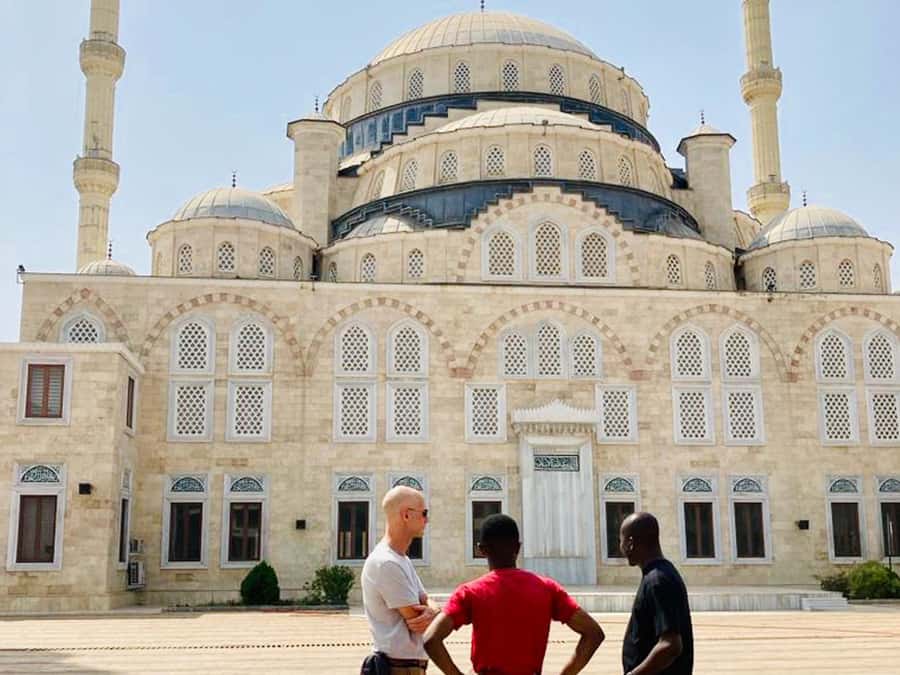
Accra is not a city you understand from one grand monument. Its story is scattered through streets, courtyards, older homes, coastal neighborhoods, and buildings that reflect several periods of outside influence. A guide helps connect those pieces.
The value here is not only looking at old walls. You hear the stories behind elegant homes and imposing mansions associated with the first Dutch and Danish colonizers, then see how those structures sit beside buildings and streets shaped by local life. The tour also includes pre-colonial architecture, so the day is not presented as a simple European history lesson.
That balance matters. Accra’s built environment reflects contact, trade, power, adaptation, and community. You may see architectural details that mean little without context. A guide can point out why a building matters, who used it, and how its setting fits into the city’s wider story.
I would choose this tour early in an Accra visit. It gives you a framework for later sightseeing. After learning the difference between the city’s colonial quarters and Ga-Mashie, you are better prepared to notice old streets and buildings on your own.
Other Accra trips people book alongside this one:
- The Cape Coast Day Tour
★ 5.0 · 525 reviews - Experience the Beauty, History and the Culture Of Accra in a Day
★ 5.0 · 323 reviews - The Cape Coast Tour
★ 5.0 · 177 reviews
Starting among Accra’s Danish, Dutch, and English quarters
The central walking section focuses on Accra’s Danish, Dutch, and English neighborhoods. These names point to different stages of European involvement on the coast, and the route uses architecture to make that past visible.
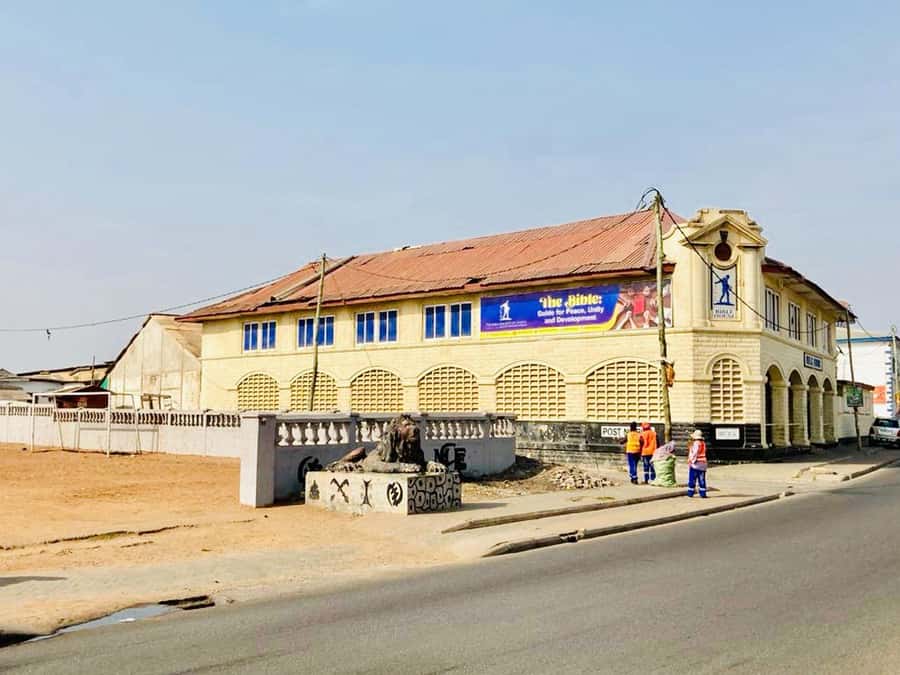
The Danish and Dutch areas are especially useful for understanding how Accra developed around coastal trade and foreign settlements. Look for the older homes, formal facades, and heavy structures that carry the imprint of European building traditions. The guide’s explanation is important here because many historic buildings are not immediately dramatic. Their interest comes from age, design, use, and location.
The English quarter adds another layer. You can expect more stories about the city’s later colonial period and the buildings tied to British administration and influence. The tour description does not promise entry into every building, so think of this as an architectural walk through the streets rather than a museum tour of interiors.
That distinction helps set expectations. You will likely spend much of your time observing exteriors and listening to local context. If you want a long list of indoor monuments, this may feel light. If you enjoy seeing how a city’s past survives in ordinary streets, the format makes sense.
The tour is described as a three to four-hour walking experience within a six-hour outing. That suggests the private vehicle is used to connect areas and return you to your pickup point, though the exact pickup schedule is not specified. Ask for the meeting details and walking plan before departure, particularly if you need to manage mobility or heat carefully.
Reading the pre-colonial buildings beside later landmarks
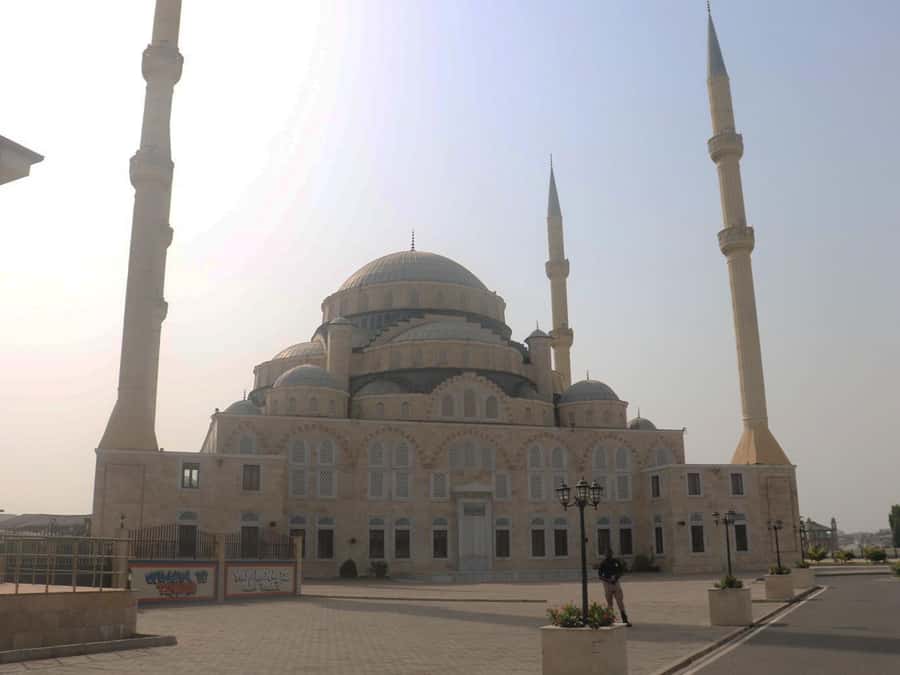
One of the strongest ideas in this experience is the pairing of pre-colonial buildings with later European-influenced structures. Accra’s story did not begin with Dutch, Danish, or English arrivals, and the route is designed to show that the city had its own identity before colonial construction changed its streets.
I appreciate this approach because it avoids treating older European buildings as the whole story. The guide can help you see the relationship between local Ga life and the foreign neighborhoods built along the coast. That makes the architecture more than a collection of old facades.
The tour also promises stories about elegant residences and large mansions. These buildings can be rewarding if you enjoy details such as scale, layout, age, and signs of changing ownership. You might notice that a grand home says as much about social power and trade as it does about style.
Do not expect every structure to look perfectly preserved. The description says these buildings have remained after hundreds of years, but it does not promise restoration or polished museum conditions. That is part of the practical appeal and the challenge. You are seeing a living city, not a carefully staged heritage park.
Bring a camera, but use it as a tool for remembering the guide’s explanations rather than as the sole reason for joining. Architecture without context can blur together. The stories are what turn a weathered building into a meaningful stop.
Entering Ga-Mashie and Jamestown

The route continues to the Ga-Mashie neighborhood of Jamestown, one of the most important stops for visitors who want a stronger connection with Accra’s local character. Here, the tour moves beyond a sequence of European quarters and places you in a neighborhood with its own identity and history.
Jamestown adds needed contrast. After seeing buildings shaped by Danish, Dutch, and English influence, you encounter a district where the city’s local heritage becomes central to the experience. The stop helps show that Accra is not simply a colonial port with old foreign buildings. It is a Ghanaian city with communities and traditions that shaped its development.
The information provided does not specify individual monuments, markets, homes, or landmarks within Ga-Mashie. I would therefore treat this part as a guided neighborhood walk, not a promise of a fixed checklist of attractions. Your guide’s storytelling may be especially valuable here because the meaning of a street or building may not be obvious from the outside.
The neighborhood portion may also be the most demanding part of the outing. You should wear sports shoes and comfortable clothes, carry water, and protect yourself from the sun. Sunglasses, a hat, sunscreen, and personal medication are all sensible items to pack. A six-hour day with several hours on foot is not the place for stiff shoes or a tight schedule afterward.
Solo visitors may find the guided format reassuring. Tye, a solo female visitor, praised Abena and Princess for making her feel comfortable, and she also found the wider team welcoming. That does not guarantee the same guides on every departure, but it suggests the operator can provide a friendly group dynamic.
A completely different sort of day out of Accra:
- From Accra: Cape Coast, Elmina Castle & Kakum Park Day Tour
★ 4.6 · 144 reviews - Accra Detailed City Tour
★ 4.5 · 118 reviews - Accra Guided City Tour Experience
★ 4.7 · 88 reviews - Accra Guided City Tour Experience
★ 5.0 · 76 reviews
Finishing at the Accra International Art Centre
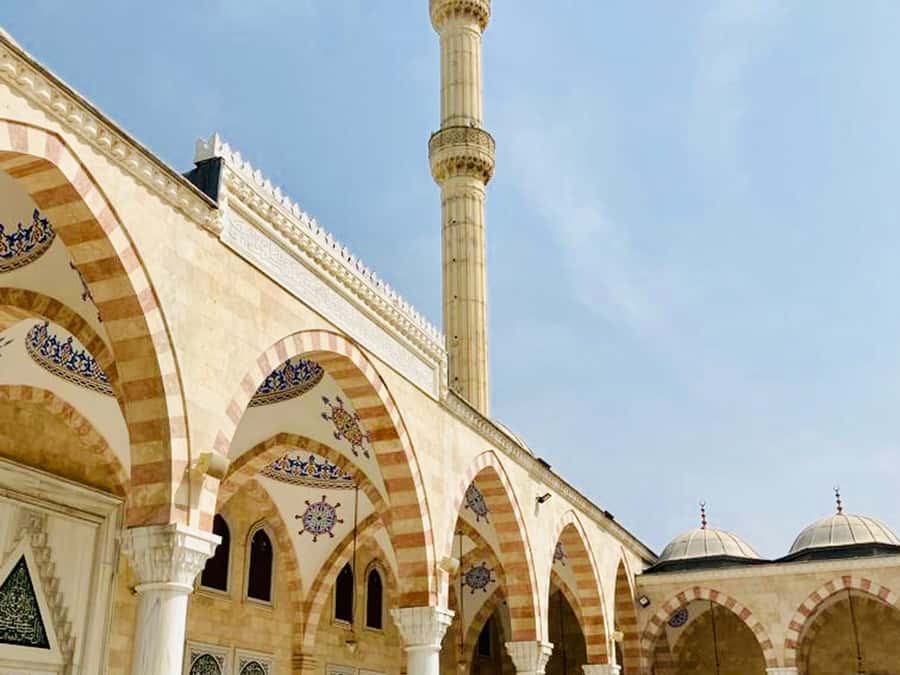
The final stop is the Accra International Art Centre, where you have time for souvenir shopping. This is a practical ending because it lets you browse after hearing about Ghana’s history and culture, rather than buying objects without context.
You may find the art centre more useful if you already have an idea of what you want. The supplied information does not list specific crafts, prices, or shops, so I would not promise a particular type of artwork or a fixed amount of shopping time. Still, it gives you a chance to look for a tangible reminder of the day.
Keep your expectations realistic. This is a shopping stop, not a formal gallery tour, and entrance to the art centre is the final point in the route rather than the main purpose of the experience. If you dislike shopping, you may find this portion less interesting. If you want time to browse Ghanaian art and crafts, it adds useful value.
The tour then returns you to your pickup point. Since the total experience lasts six hours, you should leave enough room in your schedule for traffic and the pace of the walking sections. The exact starting times depend on availability.
What the guide and vehicle add
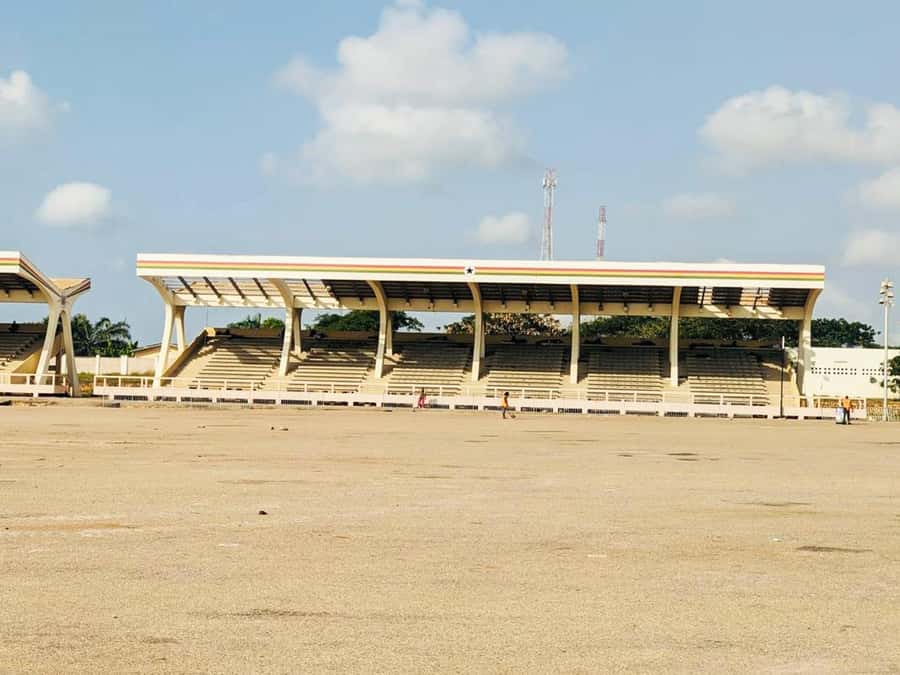
A private vehicle is a meaningful inclusion in Accra. It reduces the need to arrange separate transport between neighborhoods and gives you a place to rest between walking sections. The experience is not only a walk, despite the architecture focus.
The human side may be the tour’s greatest strength. Caroline described the day as well organized, friendly, and full of history and culture. Sonny also praised the guides for explaining the city’s heritage and helping him appreciate what he was seeing. These comments point to an outing built around interpretation, not simply driving past buildings.
Tye’s account adds useful detail about the team. Abena and Princess were around her age, which helped her feel at ease, and Kwame, the driver, was friendly and good company during conversations. TourGuideKormi is named as the provider, and the team appears to be a key part of the experience.
The live tour is offered in English or French. An audio guide is also listed in English, French, and German. If you book because of language support, confirm which option will apply to your departure. The information does not explain whether the audio guide replaces the live guide or supplements it.
Six hours, $130, and the question of value
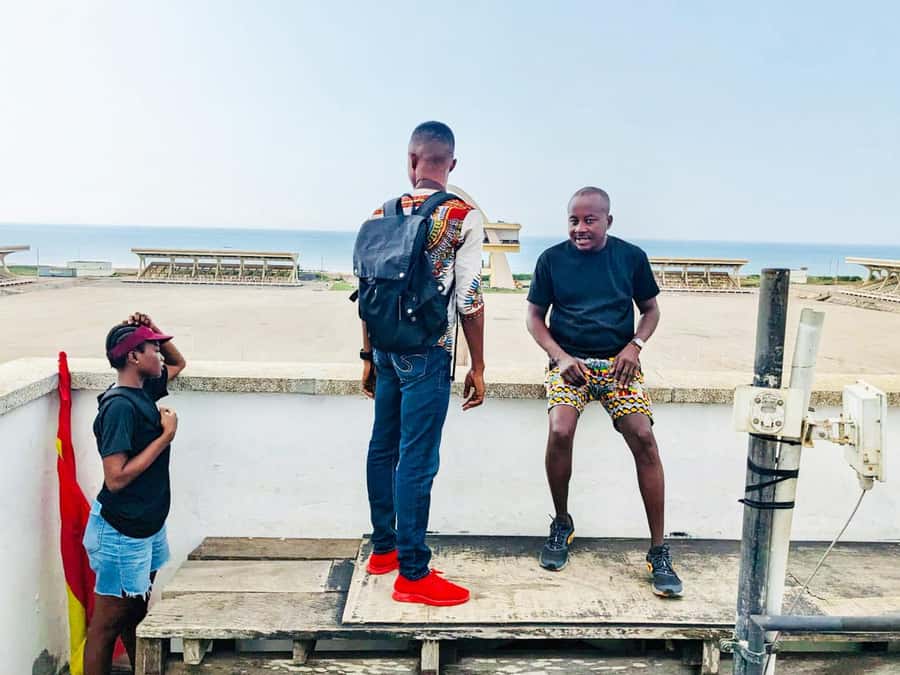
At $130 per person, this is not a low-cost city stroll. The price needs to cover a private vehicle, an English-speaking guide, entrance fees, a long half-day schedule, and the convenience of visiting several areas without arranging transport yourself.
I see the best value for visitors who want a structured introduction to Accra and prefer not to piece together historic neighborhoods on their own. The tour combines transportation and guiding, which can simplify a first day in the capital. It also gives you a local voice for buildings that may be easy to overlook.
The value is weaker if you only want to photograph old architecture or if you are happy using public transport and researching each neighborhood yourself. You are paying for interpretation, coordination, and comfort, not for a large number of formal admissions. The art centre shopping stop should also be viewed as an optional benefit, not part of the core price justification.
The score of 3.9 from five ratings deserves a careful reading. Four ratings gave the experience five stars and praised the team, organization, friendliness, and historical explanations. The two-star rating came from someone who could not attend the architectural tour and instead joined a separate food outing, where the experience did not meet expectations. I would not ignore that low score, but I would give more weight to the comments directly about the architectural day.
Who will enjoy this Accra architecture tour
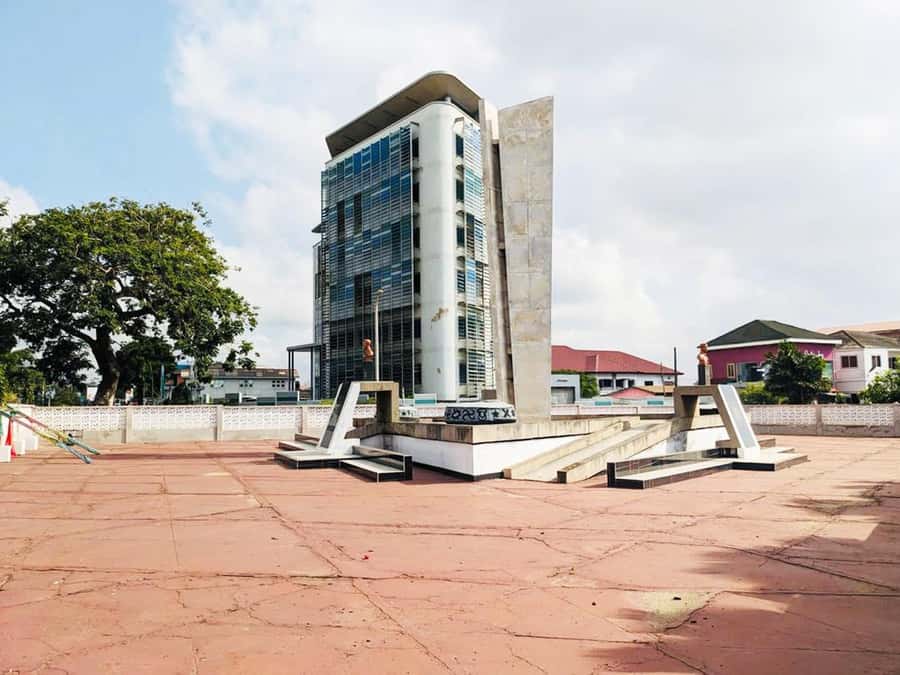
I would recommend this experience to you if you:
- Want a first look at Accra’s older neighborhoods with a guide
- Enjoy buildings, city stories, and local history more than standard sightseeing checklists
- Prefer private transport between walking areas
- Are visiting alone and would value a welcoming guide team
- Want to connect colonial-era architecture with Ga-Mashie’s local heritage
- Like ending a cultural outing with time to shop for art and crafts
You may want a different plan if you dislike walking in the heat, want extensive interior visits, or prefer to explore slowly without a fixed route. The advertised walking section is substantial, and the information does not promise air-conditioned stops, detailed architectural drawings, or access inside every building.
The tour is wheelchair accessible, which is useful, but the route includes several hours of walking through historic neighborhoods. If you have specific mobility needs, confirm the surfaces, distances, vehicle access, and pacing before booking. Accessibility can vary from one older street or building to the next.
Pack light, but bring the basics: sports shoes, water, sunglasses, a hat, sunscreen, comfortable clothes, your camera, personal medication, and a passport or ID card. Those items are not fussy extras. They suit the length, climate, and practical nature of the outing.
Should you book the Accra Architectural Tour?
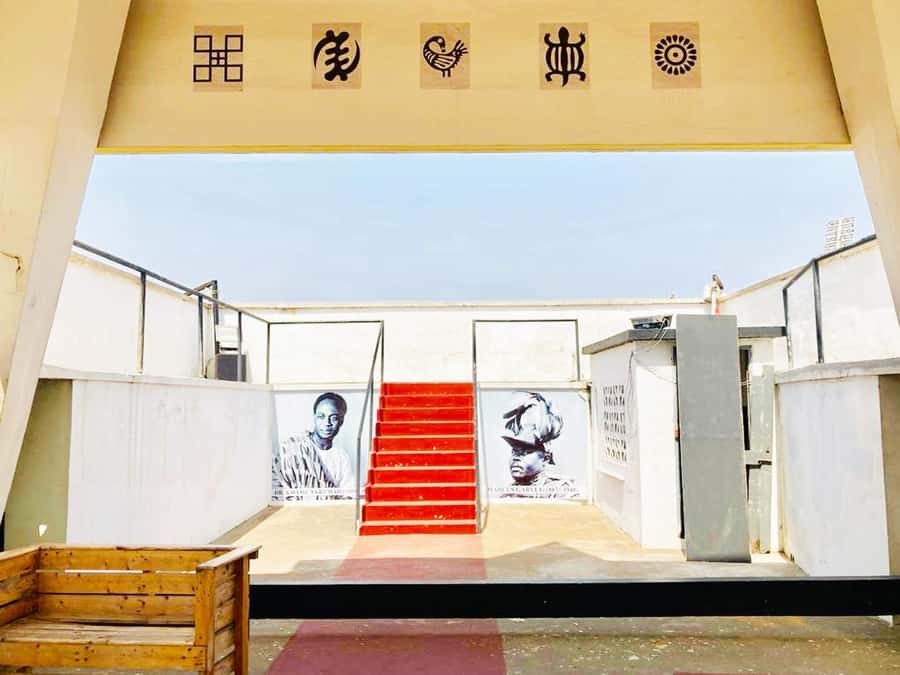
Book it if you want context. The tour’s strongest feature is the link between Accra’s pre-colonial past, European quarters, colonial-era homes, and Ga-Mashie. Add in private transport, a local guide, and the art centre, and you have a useful first orientation to the capital.
I would book this for an early day in Accra, especially if you are traveling solo or want a guide team that can explain more than dates and building names. At $130, it is best for people who value convenience and interpretation. It is less compelling for independent walkers seeking a cheap, unstructured afternoon.
Ask about the pickup point, starting time, walking distance, and which guide language will be used. Then bring water and sensible shoes. If you want to understand why Accra looks the way it does, this tour offers a thoughtful route through the city’s layered past.
FAQ
Where does the Accra Architectural Tour take place?
The tour takes place in Accra in Ghana’s Central Region. It includes the Danish, Dutch, and English neighborhoods, the Ga-Mashie area of Jamestown, and the Accra International Art Centre.
How long does the tour last?
The full activity lasts six hours. The main walking portion is described as taking three to four hours, with private transportation included.
How much does the tour cost?
The listed price is $130 per person.
Is transportation included?
Yes. Transportation in a private vehicle is included, and the tour returns you to your pickup point at the end.
What languages are available?
A live guide is available in English or French. An audio guide is listed in English, French, and German.
Is the tour wheelchair accessible?
Yes, the activity is listed as wheelchair accessible.
What should I bring?
Bring sports shoes, comfortable clothes, sunglasses, personal medication, a camera, water, a passport or ID card, a hat, and sunscreen.
Can I cancel the booking?
Yes. You can cancel up to 24 hours in advance for a full refund. You can also reserve now and pay later.
Just added around Accra
- Experience Cape Coast Castle and Kakum National Park★ 4.5 · 3 reviews
- Experience Northern Ghana In 10-Days★ 5.0 · 3 reviews
- Discover Ghana – Wli Waterfalls, Mountain Afadjato, Monkey Sanctuary & Akosombo.★ 4.5 · 3 reviews
- Cultural Tour Of Ghana And South Africa 12 Days★ 5.0 · 3 reviews
- Accra: City Highlights Half-day Guided Tour with Transfers★ 4.1 · 3 reviews
- Accra: Half day private safari with pick up★ 3.5 · 3 reviews
- Full Day Accra Guided Tour★ 5.0 · 3 reviews
- Experience Aburi Botanical Gardens And Boti Water Falls In A Day.★ 5.0 · 3 reviews
Tours, compared.
Cape Coast, Elmina Castle & Kakum Park Day Tour
Read our review →