
Reviewed · COOKING CLASSES
Accra: Cooking Class with Auntie KK in Osu
Come hungry, leave with a recipe. This three-hour cooking class in Osu brings you into Auntie KK’s family home for a hands-on taste of Ghanaian food and hospitality. I like the personal setting, where a local chef teaches you about ingredients and preparation, and I like that you sit down to eat what you have made.
The main consideration is the price: $185 per person is a serious spend for a three-hour class, especially since hotel transfers and transportation are not included. Still, the food, instruction, drinks, family welcome, and chance to understand Ghanaian cooking may make it worthwhile if you value personal contact over a standard restaurant meal.
In This Review
- Key Points About the Osu Cooking Class
- Why This Class Feels Different From a Restaurant Meal
- Finding the White Wall and Blue Gate in Osu
- Meeting Local Ingredients Before the Cooking Starts
- Preparing a Ghanaian Meal With Auntie KK
- The Food Matters, But So Does the Story
- Sitting Down to Taste What You Made
- Photos, Drinks, and the Personal Welcome
- Who Will Get the Most From This Experience?
- Is Auntie KK’s Cooking Class Worth $185?
- Should You Book the Osu Cooking Class?
- FAQ
- Where does the cooking class meet?
- How long does the cooking class last?
- What is included in the price?
- Is transportation included?
- Who teaches the class?
- Which languages are available?
- Which Ghanaian dishes can I learn about?
- Do I eat the food I prepare?
- Is the activity wheelchair accessible?
- Can I cancel or pay later?
Key Points About the Osu Cooking Class
- Meet Auntie KK across from Club 69: Look for the white wall and blue gate just across the street from the Club 69 signboard.
- Cook in a family home: The setting gives the class a personal feel rather than the polished atmosphere of a formal culinary school.
- Learn Ghanaian ingredients and methods: You take part in preparation and hear where the food comes from.
- Eat what you make: Food and drinks are included, so the class ends around a shared meal.
- English and Twi instruction: Auntie KK can teach in English or Twi.
- Flexible booking: You can cancel up to 24 hours before the class for a full refund, or reserve now and pay later.
Why This Class Feels Different From a Restaurant Meal
A restaurant can introduce you to Ghanaian food, but it usually hides the work behind the kitchen door. Here, you handle ingredients, follow the preparation, and learn how the meal reaches the table.
That practical contact matters. Ghanaian food is not just a list of dishes. It reflects farming, preservation, spice, fermentation, family cooking, and the habit of sharing food. At Auntie KK’s class, you get a direct look at those foundations while preparing your own meal.
I especially like the family-home setting. You are not simply watching a chef perform for a group. You are welcomed by Auntie KK and her family, which gives the afternoon a more personal tone. Ashley from the United States described Auntie KK and her family as kind and welcoming, and praised the food from start to finish. Julian from Switzerland also highlighted the fun atmosphere and tasty cooking.
Those comments point to the strongest reason to book: this is as much a social experience as a cooking lesson. You are there to learn, but you also have time to talk, laugh, eat, and share a table.
More cooking classes in Accra:
- Home Cooking Class by Auntie K
★ 5.0 · 62 reviews - Local Ghanaian Cooking Class in Accra to help support wellness community center
★ 4.5 · 22 reviews - Authentic Ghanaian Cooking Class in Accra
★ 4.5 · 11 reviews
Finding the White Wall and Blue Gate in Osu
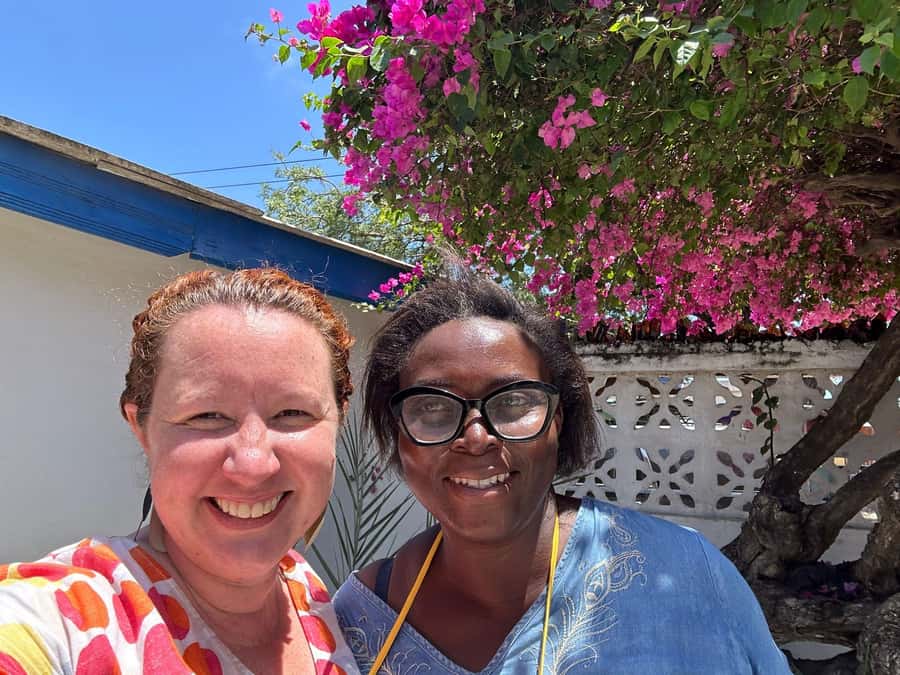
The meeting point is in Osu, in front of Club 69. The useful detail is easy to miss: you should look for a white wall and blue gate directly across the street from the Club 69 signboard.
Auntie KK will be waiting there to welcome you. Since hotel pickup is not included, you need to arrange your own ride to the meeting point. Transportation is also not included after the class, although you can easily arrange a ride back to your starting point.
Give yourself enough time to find the entrance. A clear landmark such as Club 69 helps, but the actual meeting spot is across the street, not necessarily at the club itself. If you use a ride service, showing the driver the Club 69 signboard may be more useful than relying only on the name of the cooking class.
The class lasts three hours. That is long enough for a proper preparation session and meal without taking up your whole day in Accra. You should still avoid scheduling a tight appointment immediately afterward. Cooking has a way of taking the time it needs, especially when the point is to talk and learn rather than rush through a demonstration.
Meeting Local Ingredients Before the Cooking Starts
The first part of the class focuses on ingredients and meal preparation. Freshly picked ingredients are provided for the class, and you learn what goes into the food before you begin cooking.
This is one of the most useful parts for anyone who wants to repeat a Ghanaian recipe at home. You are not only told the name of a dish. You see the basic building blocks and take part in preparing them.
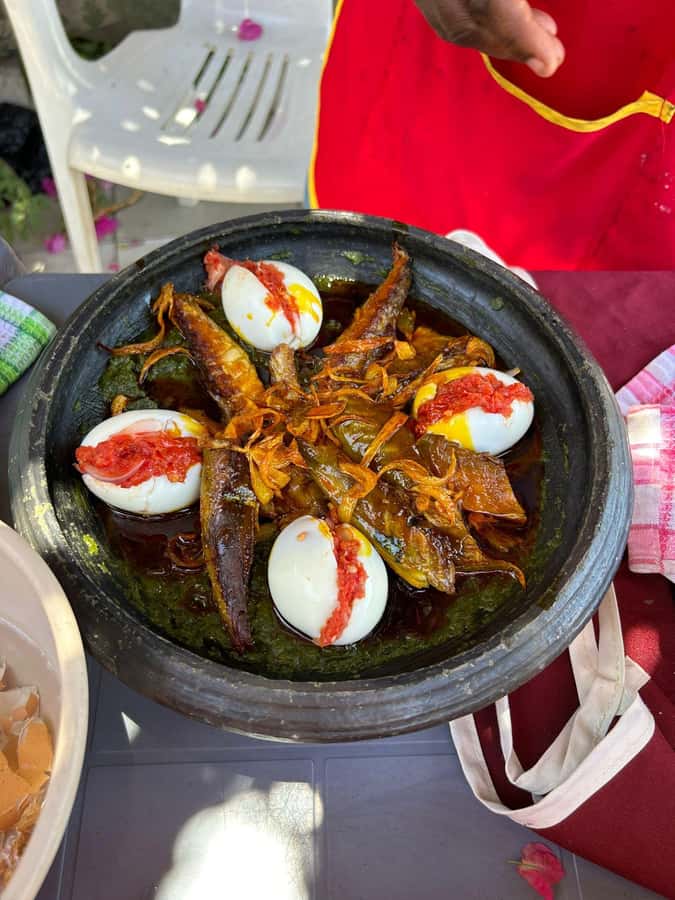
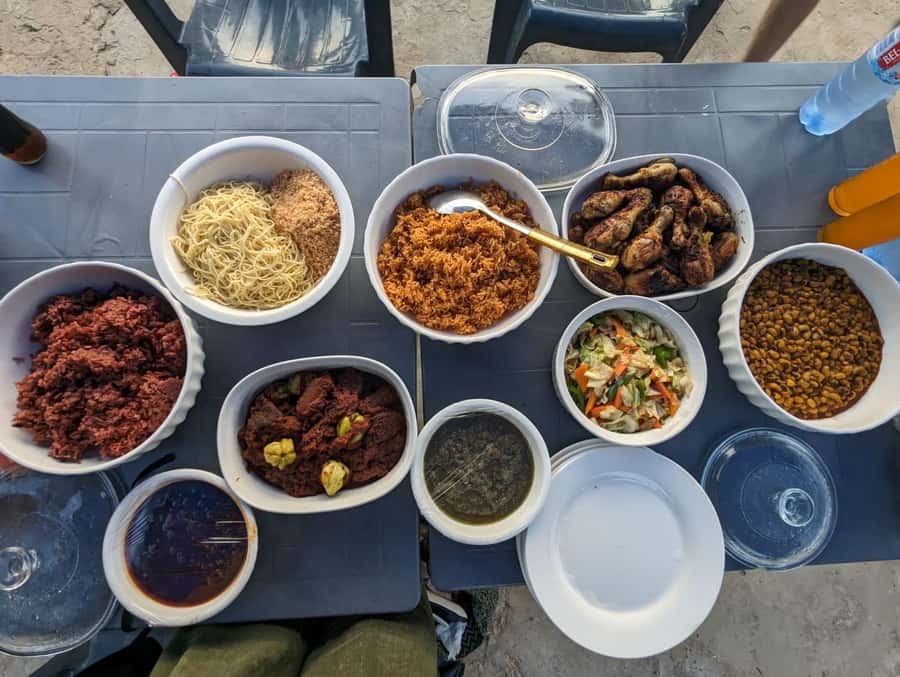
The class may introduce you to ingredients connected with dishes such as tomato and pepper sauces, plantains, beans, corn, cassava, groundnuts, fish, rice, ginger, garlic, and hot peppers. The exact meal choices can vary, so you should not assume that every dish listed below will be cooked during your session.
That variety gives you a sense of Ghanaian food beyond the familiar word jollof. Some dishes are spicy and crisp, others soft and fermented, and others hearty enough to serve as a full meal. The lesson helps explain how texture and flavor work together.
You might prepare a dish from one of several well-known Ghanaian food traditions:
- Jollof rice: Rice cooked in a seasoned tomato and pepper sauce, often served with vegetables and meat.
- Waakye: Rice cooked with sorghum leaves, usually paired with several side dishes, fried fish, spaghetti, or pepper sauce.
- Banku and tilapia: Fermented corn and cassava dough served with grilled or fried tilapia.
- Fufu and light soup: A starchy side made from cassava, plantains, or yams, paired with a soup that may contain fish, meat, or vegetables.
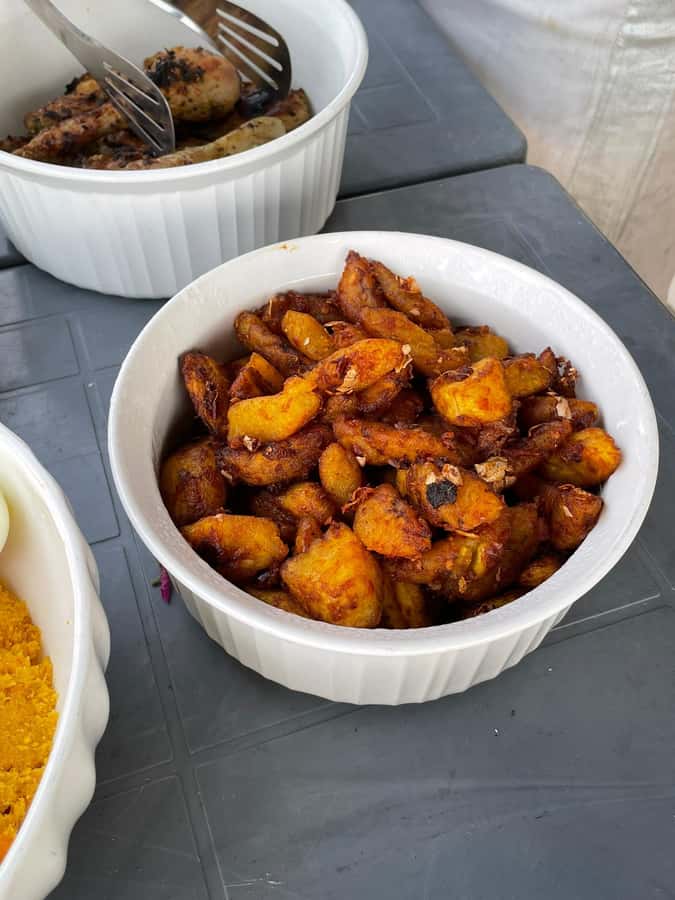
- Kelewele: Fried plantain seasoned with ginger, garlic, and hot pepper.
- Red red: Black-eyed peas cooked with palm oil, often served with fried plantains or rice.
- Groundnut soup: A peanut-based soup with vegetables and possibly meat or fish.
- Kenkey: Fermented corn and cassava dough wrapped in corn husks and steamed.
Even if you cook only one main meal, learning about these dishes gives you a better menu-reading tool for the rest of your time in Ghana. You can recognize the difference between a fermented dough, a pepper-heavy sauce, and a plantain side instead of ordering blindly.
Preparing a Ghanaian Meal With Auntie KK
After the ingredients are introduced, you begin preparing the meal you have chosen. The description emphasizes participation, so you should expect to work with the food rather than sit back for a long demonstration.
That is important for beginners. A recipe makes more sense once you have seen the ingredients change under your hands. You learn how the parts fit together, which steps need patience, and how the final dish develops its flavor.
Auntie KK teaches as a local chef, and instruction is available in English or Twi. English makes the class practical for international visitors, while Twi adds a direct connection to local language and culture.
The class is also wheelchair accessible, a useful detail for anyone who needs an accessible activity. Since no further accessibility details are provided, you may still want to confirm the specific layout and any personal requirements before booking.
One thing I would keep in mind is the price. At $185 per person, this is not a budget meal or a quick street-food lesson. You are paying for more than ingredients. The cost includes the class entrance, food, drinks, a professional local chef, and photo and video opportunities. It also pays for a small personal encounter that would be difficult to recreate by simply eating in a restaurant.
The value depends on your priorities. If you want the lowest-cost way to taste Ghanaian food, this class is not the obvious choice. If you want a hosted visit, active preparation, cultural context, and a meal shared in a family setting, the price is easier to justify.
More hands on workshops in Accra:
- Authentic Ghanaian Cooking Lessons and Take Out Services.
★ 5.0 · 9 reviews - African Drum and Dance Lessons
★ 5.0 · 6 reviews - Half-Day Private African Drumming Lessons with Pick Up
★ 5.0 · 3 reviews
The Food Matters, But So Does the Story
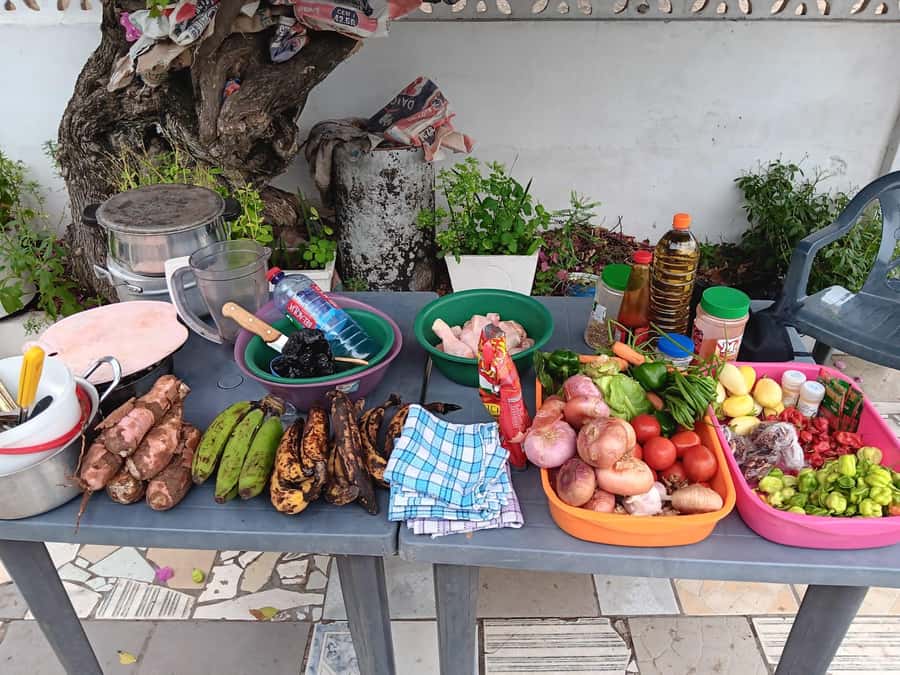
Ghanaian cuisine rewards curiosity. Jollof rice is popular across West Africa, but each cook brings a personal approach to the balance of rice, tomato, pepper, and seasoning. Waakye shows how a simple grain dish can become a full plate with many accompaniments.
Banku introduces you to fermented corn and cassava dough, while fufu shows the importance of soft, starchy foods served with soup. Kelewele brings heat and sweetness through spiced fried plantain. Red red combines beans, palm oil, and plantain into a filling dish that makes a good meat-free option when prepared that way.
Groundnut soup is especially useful for understanding how peanuts add body and flavor to a soup. Kenkey, with its fermented dough and corn-husk wrapping, points to older food traditions and the value of foods that can be prepared and stored in practical ways.
You may not prepare every one of these foods, but the list shows why a cooking class can add something to your time in Accra. You are learning how dishes fit into everyday eating, not simply sampling a plate with no context.
Food also creates an easy way to connect with people. You do not need expert cooking skills or detailed knowledge of Ghanaian culture to take part. You can ask questions while chopping, stirring, or preparing ingredients, then continue the conversation over the meal.
Sitting Down to Taste What You Made
The final meal is the reward for the preparation. Food and drinks are included, and you eat what you have cooked.
That moment gives the class a clear purpose. You are not practicing a recipe in isolation. You can taste the result, notice how the flavors work together, and compare your expectations with the finished dish.
Ashley described every bite as delicious and said she would take the class again. Julian praised the food and the good atmosphere. Those are strong endorsements of the two things that matter most in a cooking class: the meal needs to taste good, and the host needs to make the process enjoyable.
I also like that the meal creates a natural pause at the end of the session. You can talk through the recipe, remember the steps, and decide what you would change when cooking at home. The class sends you away with a recipe and more confidence to experiment.
You should not expect a formal restaurant service. The appeal is the shared table and the satisfaction of eating food you helped prepare. If you prefer quiet dining or a polished culinary presentation, a restaurant may suit you better. If you like food with a story and a bit of personal effort behind it, this ending will likely be the highlight.
Photos, Drinks, and the Personal Welcome
Photo and video opportunities are included. That lets you record the ingredients, the preparation, and the finished meal without treating photography as a separate add-on.
The family welcome is another important part of the experience. Auntie KK’s role is not limited to giving cooking instructions. She welcomes you like family and helps create the friendly setting that both Julian and Ashley praised.
That warmth may be the real reason the class earns strong marks. Plenty of cooking activities can teach you to follow a recipe. Fewer give you the feeling that you have been invited into someone’s home for a shared meal.
You should still be respectful of the home setting. Listen carefully, ask before filming people, and treat the space as someone’s family environment rather than a public kitchen. The included photo and video opportunities make it easy to capture memories, but good manners matter more than getting the perfect picture.
Who Will Get the Most From This Experience?
This class suits you best if you enjoy food, conversation, and active learning. It is a good choice for someone visiting Accra who wants more than sightseeing and restaurant meals.
It also works well for:
- First-time visitors to Ghana who want an introduction to local cuisine
- Home cooks looking for recipes they can recreate later
- Couples, friends, or families who enjoy shared activities
- People who prefer personal contact with a local host
- Visitors who want a three-hour activity in Osu
- Anyone curious about ingredients, fermentation, spice, and communal dining
You may want to skip it if your main goal is a low-cost meal, a short activity, or a class with hotel transportation included. The $185 price and independent transport are the two practical limits.
The class is wheelchair accessible, and instruction is offered in English and Twi. You can also reserve now and pay later, which helps if your Accra schedule is still taking shape. Cancellation is free up to 24 hours before the start time for a full refund.
Is Auntie KK’s Cooking Class Worth $185?
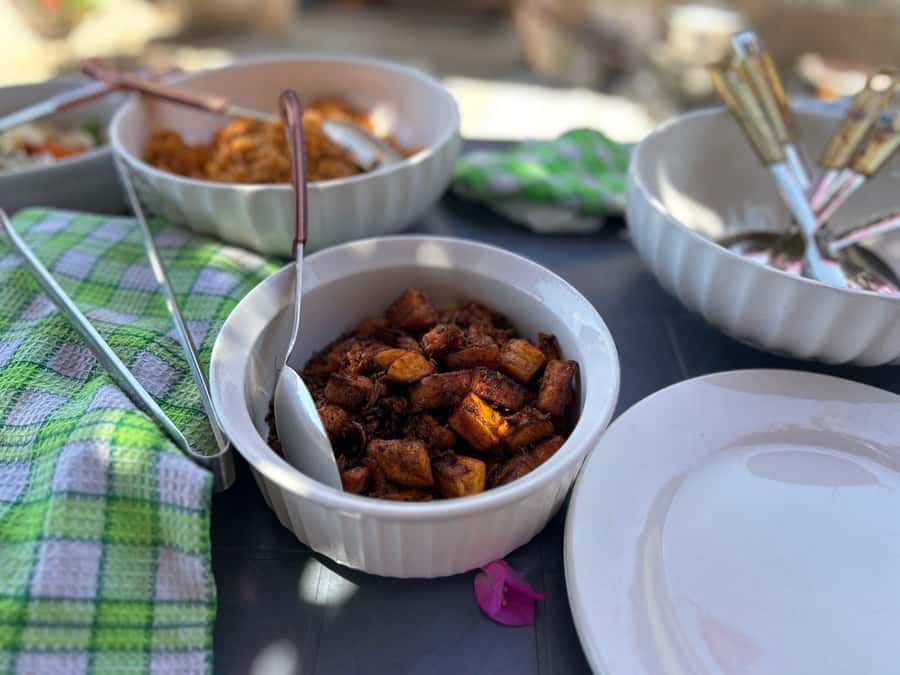
I think the value comes from the combination of elements. You receive ingredients, food, drinks, instruction, photos and videos, and a meal in a family home. More important, you gain a direct look at how Ghanaian food is prepared and shared.
The price is high enough that you should book it for the personal experience, not just the menu. If you only want to taste jollof, kelewele, or groundnut soup, you can find cheaper ways to eat Ghanaian food. If you want to learn, cook, and sit with a local family, this class offers more than a plate of food.
Three hours is a sensible length. It gives you time to meet Auntie KK, learn about ingredients, prepare the meal, eat, take photos, and leave without losing an entire day. The lack of included transportation is easy to manage in Osu, but you need to budget for your ride separately.
The praise for Auntie KK and her family is consistent and specific. Julian highlighted the fun and tasty food, while Ashley praised the family’s kindness and the quality of every bite. That combination of good cooking and a welcoming host is the strongest reason to consider this activity.
Should You Book the Osu Cooking Class?
Book this class if you want a warm, hands-on introduction to Ghanaian cuisine and do not mind paying for a personal hosted experience. It is especially appealing if you enjoy learning by doing and want a recipe to take home.
Skip it if $185 feels too steep for a three-hour activity, or if you want transportation included. For the right visitor, Auntie KK’s class offers a meal, a lesson, and a friendly connection in one compact Accra experience.
FAQ
Where does the cooking class meet?
The meeting point is in Osu, in front of Club 69. Look for a white wall and blue gate directly across the street from the Club 69 signboard.
How long does the cooking class last?
The class lasts three hours.
What is included in the price?
The price includes the cooking class entry, ingredients, food, drinks, photo and video opportunities, and instruction from a professional local chef.
Is transportation included?
No. Hotel pickup, hotel drop-off, and transportation are not included. You can arrange a ride to the meeting point and get a ride back afterward.
Who teaches the class?
A local chef named Auntie KK teaches the class. The experience is provided by Timeh Tours Ghana.
Which languages are available?
The class is offered in English and Twi.
Which Ghanaian dishes can I learn about?
The food traditions described include jollof rice, waakye, banku and tilapia, fufu and light soup, kelewele, red red, groundnut soup, and kenkey. The exact meal choices for your class are not specified.
Do I eat the food I prepare?
Yes. The experience includes eating what you cook, along with food and drinks.
Is the activity wheelchair accessible?
Yes, the cooking class is described as wheelchair accessible.
Can I cancel or pay later?
You can cancel up to 24 hours in advance for a full refund. You can also reserve your place and pay later.
Just added around Accra
- Experience Cape Coast Castle and Kakum National Park★ 4.5 · 3 reviews
- Experience Northern Ghana In 10-Days★ 5.0 · 3 reviews
- Discover Ghana – Wli Waterfalls, Mountain Afadjato, Monkey Sanctuary & Akosombo.★ 4.5 · 3 reviews
- Cultural Tour Of Ghana And South Africa 12 Days★ 5.0 · 3 reviews
- Accra: City Highlights Half-day Guided Tour with Transfers★ 4.1 · 3 reviews
- Accra: Half day private safari with pick up★ 3.5 · 3 reviews
- Full Day Accra Guided Tour★ 5.0 · 3 reviews
- Experience Aburi Botanical Gardens And Boti Water Falls In A Day.★ 5.0 · 3 reviews
Cooking Classes, compared.


Local Ghanaian Cooking Class in Accra to help support wellness community center
Read our review →

Authentic Ghanaian Cooking Lessons and Take Out Services.
Read our review →Browse the lists this tour appears in