
Reviewed · COOKING CLASSES
Home Cooking Class by Auntie K
Come hungry, leave with new skills. Auntie K’s home cooking class brings Ghanaian food to life through hands-on preparation, generous portions, and plenty of conversation. I like the optional market visit for its local flavor, and I like that Auntie K can adjust spice levels and accommodate dietary needs.
The class is private, so your group gets personal attention rather than sharing the day with a busload of strangers. One important caution: the experience can range from active cooking to mostly watching a demonstration, depending on the setup, group, and preparation.
In This Review
- Key points to know before booking
- Starting near Osu and La Crescent
- The optional market stop
- Preparing a Ghanaian menu
- Charcoal heat, pestle and mortar, and real kitchen work
- How hands-on is the class?
- Meeting Auntie K and her family team
- Adjusting spice and dietary needs
- What the lunch adds to the value
- The dishes worth watching closely
- Timing, comfort, and practical planning
- Who should book Auntie K’s class?
- Should you book it?
- FAQ
- Where does the cooking class start?
- Where does the experience end?
- How long does the class last?
- Is a market visit included?
- What food might I prepare?
- Is lunch included?
- Is transportation included?
- Is this a private activity?
- Can the food be adjusted for dietary needs?
- Can I cancel for a refund?
Key points to know before booking
- Charcoal cooking and hand-ground spices: You may cook outdoors over charcoal and use a pestle and mortar instead of a blender.
- Optional market visit: You can shop for ingredients before heading into the cooking session.
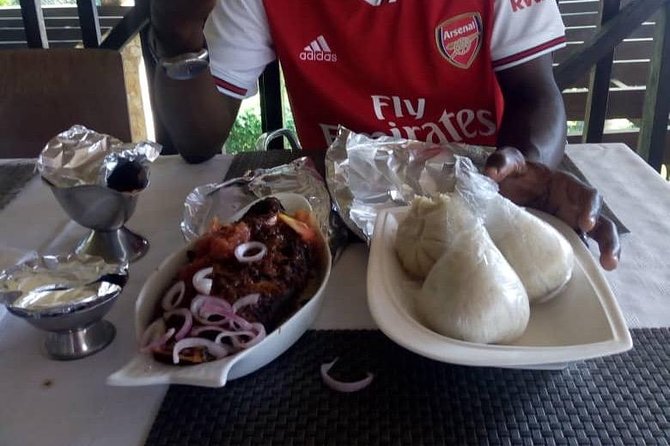
- A full Ghanaian spread: Dishes may include jollof rice, kelewele, soup, fufu, banku, grilled fish, chicken, vegetables, or stew.
- Warm family setting: Auntie K may be joined by relatives and assistants such as Deborah, Auntie Mary, Nicole, or her daughters.
- Private group format: Only your own party participates, allowing the menu and pace to be adjusted.
- Allow several hours: The advertised duration is about five hours, but the class may take anywhere from three to six hours.
Starting near Osu and La Crescent
The experience begins at CLUB 69, Osu La Crescent, in Accra. The activity returns to this meeting point at the end, but the description does not include an air-conditioned vehicle, so you should plan your own way there and back.
The published opening window lists Monday through Saturday from 9:00 AM to 12:00 PM. At the same time, the cooking session is described as lasting three to six hours, so confirm the exact start time when you book. This matters because a morning start and a five-hour class can easily take up most of your day.
The location near public transportation makes the meeting point practical, though you should allow extra time for Accra traffic and for finding CLUB 69. Since this is a private activity, your group will not be mixed with other booking parties.
More cooking classes in Accra:
- Local Ghanaian Cooking Class in Accra to help support wellness community center
★ 4.5 · 22 reviews - Authentic Ghanaian Cooking Class in Accra
★ 4.5 · 11 reviews - Authentic Ghanaian Cooking Lessons and Take Out Services.
★ 5.0 · 9 reviews
The optional market stop
If you choose the market option, you meet Auntie K and go shopping for the foodstuffs used in your class. This is more than a quick supply run. It gives you a look at the ingredients before they become a finished plate, and it helps connect Ghanaian cooking with the daily work of selecting produce, spices, meat, fish, and other basics.
I especially like this part for first-time visitors to Ghana. A recipe on paper tells you little about the smell, texture, or size of an unfamiliar ingredient. Seeing the food in a local market gives you a better sense of what the cook is working with.
The market visit also adds time. If you want a shorter session, ask whether you should skip it. If you want a fuller day and enjoy food shopping as part of the experience, keep it in the plan.
Preparing a Ghanaian menu

The exact menu can vary, but the class centers on traditional Ghanaian dishes. Jollof rice is a common highlight, often served alongside kelewele, the spicy seasoned plantain dish that earned repeated praise for its flavor.
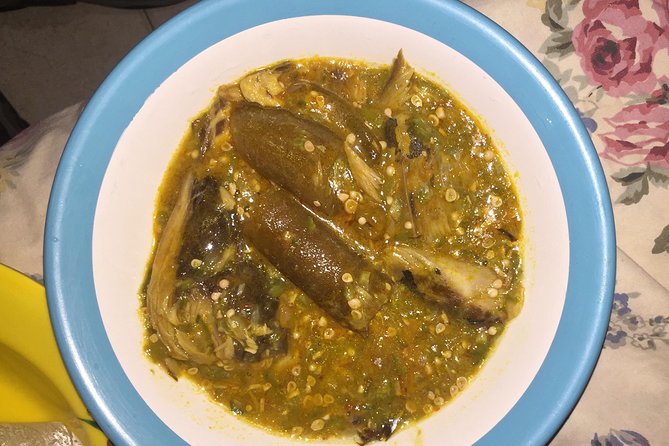
Other dishes described during the class include goat soup with fufu, grilled chicken, grilled fish, sautéed vegetables, banku, okra and fish stew, and fried turkey wings. Dessert is also included in the general description, although no particular dessert is specified.
That variety is one of the strongest reasons to book. You are not simply learning one rice dish and going home. You may get a broad introduction to Ghanaian food, from rice and plantains to soups, stews, grilled foods, and starchy sides.
The portions are generous. Plan to eat a substantial lunch, and do not schedule an important activity immediately afterward unless you are comfortable moving at a slower pace. The class is as much about sitting down to enjoy the food and conversation as it is about preparation.
Charcoal heat, pestle and mortar, and real kitchen work
The most distinctive feature is the cooking method. Some sessions take place outdoors over a charcoal cooking stand, with a hand fan used to keep the heat going. That is not the fastest route to lunch, but it shows you a traditional method that a modern kitchen appliance cannot explain.
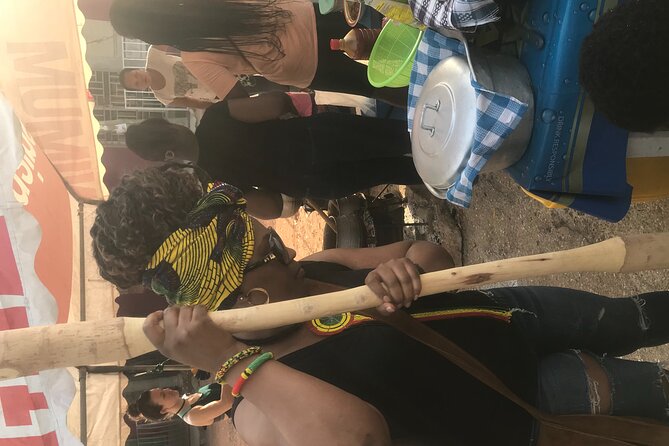
You may also grind spices and vegetables with a pestle and mortar rather than a blender. This takes more effort, but it helps you notice how the ingredients change as they are crushed together. Ginger and other seasonings become part of the process rather than something that simply disappears into a machine.
The physical work can be real. Making fufu, for example, requires rolling and pounding the mixture, and you may want to roll up your sleeves before starting. This is part of the appeal, although it may surprise anyone expecting a relaxed cooking demonstration.
The outdoor setting can also affect comfort. The description does not promise air conditioning, and the charcoal setup may mean heat, smoke, or a slower pace. If you are sensitive to heat or want a polished studio kitchen, this may not be your ideal class.
More hands on workshops in Accra:
- African Drum and Dance Lessons
★ 5.0 · 6 reviews - Half-Day Private African Drumming Lessons with Pick Up
★ 5.0 · 3 reviews - Accra: Cooking Class with Auntie KK in Osu
★ 5.0 · 3 reviews
How hands-on is the class?
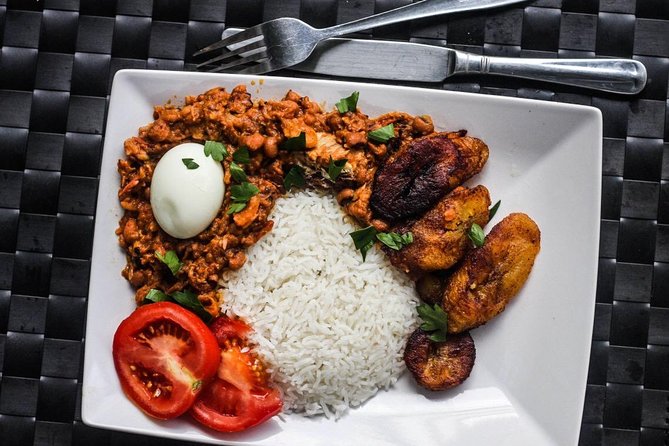
This is the point where you should set realistic expectations. The experience is presented as a hands-on cooking class, and many participants do help prepare ingredients, season food, sort beans, grind spices, and work on the dishes.
But the amount of participation can differ. In some sessions, you may be deeply involved. In others, Auntie K may handle much of the cooking while you watch, assist with smaller tasks, and then eat the finished meal.
That difference matters if your main goal is to leave with a complete set of recipes and the confidence to repeat every dish at home. A demonstration can still teach useful techniques, but it is not the same as preparing every step yourself.
When booking or confirming the class, ask directly how much active cooking your group will do. If you want to chop, season, stir, pound, and cook each dish, say so clearly. A private booking gives you a better chance of shaping the session around that request.
Last-minute reservations may also affect preparation. One account describes a class booked the day before, with a slower start and ingredients that had not been prepared ahead of time. Booking earlier may give the host more time to plan your menu and organize the cooking.
Meeting Auntie K and her family team
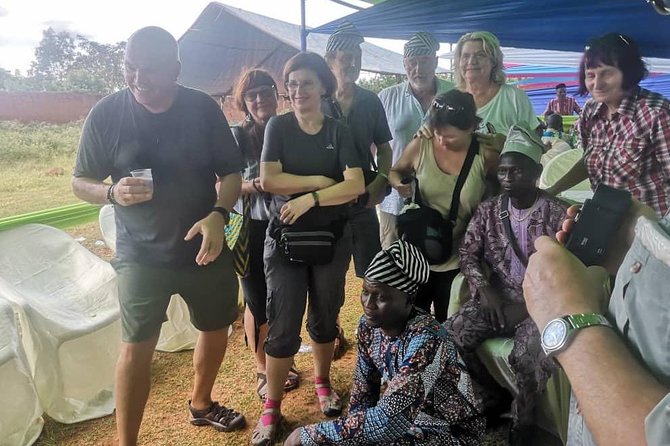
The atmosphere is a major part of the experience. Auntie K is often joined by family members or assistants, including Deborah, Auntie Mary, Nicole, her sister, her daughters, and other members of the household.
That family presence helps explain why the class feels less like a formal school and more like an invitation into someone’s home. Conversation, jokes, teasing, and shared food are built into the afternoon. You may find the tone warm and informal rather than structured and professional.
For many people, that is exactly what makes the experience valuable. Ghanaian food is not presented as a museum piece. It is part of a living household, prepared by people who cook it regularly and know how to season it by instinct and experience.
The tradeoff is that a home setting can be active and unpredictable. One account describes people coming in and out of the front yard during the class. Those people were friendly, but the setting was not quiet or staged. You should book this for the welcome and family atmosphere, not for a spotless cooking studio.
Adjusting spice and dietary needs
Auntie K has adjusted spice levels for people who prefer milder food. This is useful because Ghanaian dishes can include strong seasoning and heat, while individual comfort levels vary.
Dietary needs can also be discussed. The experience has been adapted for groups with several restrictions, and the food can still be flavorful rather than plain. You should provide those details before the class, not after the cooking begins.
The private format helps here. A menu for one small group is easier to change than a fixed menu prepared for dozens of people. Still, the available information does not promise that every dietary request can be met, so ask before booking if your needs are strict or medically necessary.
What the lunch adds to the value
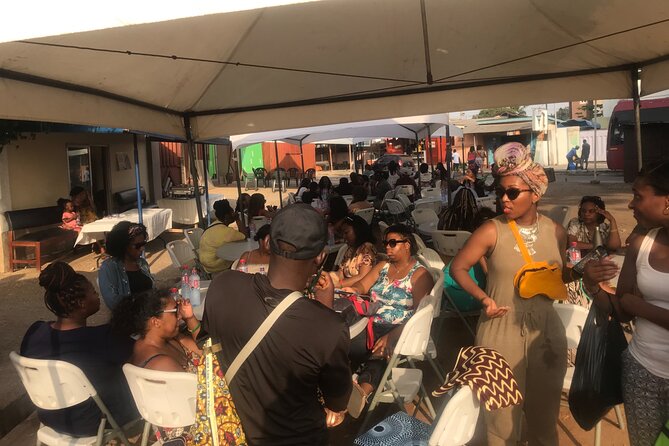
The $89 price per person is not just payment for a plate of food. You are paying for a private cultural activity, a home-based setting, several hours of instruction or demonstration, lunch, and the chance to work with ingredients and methods you may not encounter in a restaurant.
The optional market visit can add even more value if you want your day to include food shopping and local context. A private session can also be worthwhile for families, couples, or small groups who want to set the pace and ask questions without feeling rushed by strangers.
Still, the price makes the hands-on question important. If your session turns into mostly watching, you may feel the cost is high compared with a simple meal. If you take part in preparing several dishes, learn seasoning methods, and leave with notes or techniques you can use at home, the value improves.
I would think of this as a food-and-culture experience rather than a strict professional cooking course. It offers a personal connection and a large meal. It may not provide measured recipes, printed instructions, or a tightly timed lesson.
The dishes worth watching closely
Jollof rice will likely be the centerpiece for many people. Ghana and neighboring countries have long-running jollof rivalries, and the dish offers a useful lesson in rice, tomato, seasoning, and timing.
Kelewele is another strong reason to pay attention. The seasoned plantains are simple in concept but depend on the balance of sweetness, spice, and browning. Watch how Auntie K handles the seasoning, since that may be more useful than a list of ingredients.
Fufu gives you a chance to understand the labor behind a familiar staple. It is not merely something placed beside soup. Preparing it can be physical work, and the process helps explain why the dish is often associated with shared effort and hearty meals.
Soups and stews show a different side of Ghanaian food. Goat soup, okra and fish stew, grilled fish, chicken, and vegetables create a menu with varied textures and seasoning. If you want to recreate a dish later, take notes as you go. One participant successfully made fried turkey wings at home after the class, so a notebook can be more useful than relying on memory.
Timing, comfort, and practical planning
Set aside at least half a day. The class is listed at about five hours, with a possible range of three to six hours. The market visit may make the day longer.
The pace is not designed for people in a hurry. Food may be prepared from the beginning rather than assembled from ingredients already chopped and measured. Charcoal cooking and hand grinding also take time.
Wear comfortable clothing and shoes suitable for a home cooking setting. The available details do not specify dress requirements, but you should expect food preparation, heat, and possible outdoor cooking. Come hungry, since the lunch is a central part of the experience and portions are described as plentiful.
You can cancel for a full refund if you do so at least 24 hours before the start time. Changes or cancellations made less than 24 hours ahead are not accepted for a refund. The activity requires good weather, and a weather cancellation offers either another date or a full refund.
Who should book Auntie K’s class?
I would recommend it most strongly to people who value personal contact over polish. Solo visitors can fit comfortably into the warm setting, while families and private groups can benefit from menu adjustments and a shared meal.
It suits anyone curious about Ghanaian food beyond restaurant ordering. You will see how dishes connect to ingredients, tools, heat, family conversation, and the work of preparing food for a table.
It is less suitable if you need a formal lesson with exact measurements, a fixed timetable, or guaranteed active participation at every stage. It is also not the best match if you want a quiet, air-conditioned classroom.
The high rating and 95 percent recommendation fit the experience’s main strengths: excellent food, a generous host, cultural context, and a welcoming family atmosphere. The lower ratings point to one clear issue, the class may feel more like a demonstration than a workshop. Knowing that before you arrive makes the experience easier to judge fairly.
Should you book it?
Book Auntie K’s Home Cooking Class if you want a long, friendly introduction to Ghanaian food with a real home setting, a possible market visit, and plenty to eat. Ask ahead about the menu, spice level, dietary needs, exact start time, and how much hands-on cooking your group will do.
If those details line up with what you want, $89 is a fair price for several hours of food, conversation, and cultural contact. If your priority is a polished cooking school and step-by-step recipes, choose a more formal class instead.
FAQ
Where does the cooking class start?
It starts at CLUB 69, Osu La Crescent, Accra, Ghana.
Where does the experience end?
The activity ends back at the meeting point.
How long does the class last?
The class typically takes between three and six hours, with an approximate duration of five hours.
Is a market visit included?
The market visit is optional. If you choose it, you meet up and shop for the ingredients used in the class.
What food might I prepare?
Possible dishes include jollof rice, kelewele, soup, fufu, dessert, grilled chicken, grilled fish, sautéed vegetables, banku, okra and fish stew, goat soup, and fried turkey wings.
Is lunch included?
Yes. Lunch and the homemade cooking class are included.
Is transportation included?
No air-conditioned vehicle is included. You are responsible for getting to and from the meeting point.
Is this a private activity?
Yes. Only your group participates in the activity.
Can the food be adjusted for dietary needs?
Dietary requirements and spice preferences can be accommodated, based on the information provided. Share your needs before the class so the menu can be planned properly.
Can I cancel for a refund?
You can cancel at least 24 hours before the start time for a full refund. Cancellations or changes made less than 24 hours before the start time are not refunded.
Just added around Accra
- Experience Cape Coast Castle and Kakum National Park★ 4.5 · 3 reviews
- Experience Northern Ghana In 10-Days★ 5.0 · 3 reviews
- Discover Ghana – Wli Waterfalls, Mountain Afadjato, Monkey Sanctuary & Akosombo.★ 4.5 · 3 reviews
- Cultural Tour Of Ghana And South Africa 12 Days★ 5.0 · 3 reviews
- Accra: City Highlights Half-day Guided Tour with Transfers★ 4.1 · 3 reviews
- Accra: Half day private safari with pick up★ 3.5 · 3 reviews
- Full Day Accra Guided Tour★ 5.0 · 3 reviews
- Experience Aburi Botanical Gardens And Boti Water Falls In A Day.★ 5.0 · 3 reviews
Cooking Classes, compared.

Local Ghanaian Cooking Class in Accra to help support wellness community center
Read our review →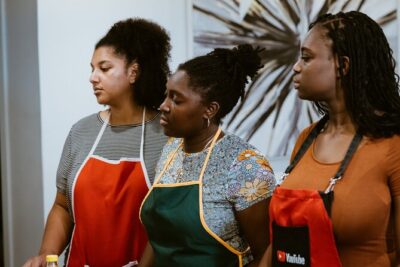

Authentic Ghanaian Cooking Lessons and Take Out Services.
Read our review →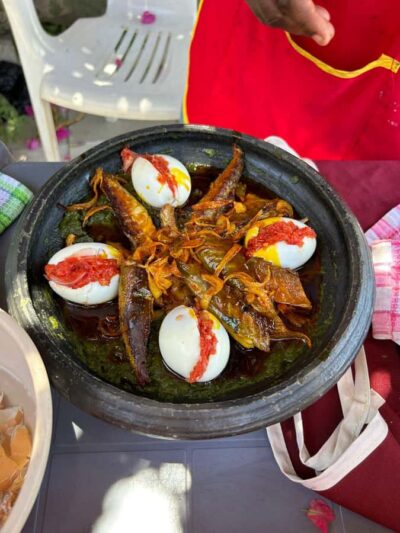
Browse the lists this tour appears in