
Reviewed · ACCRA
Accra E-waste and Recycling experience in Agbogbloshie
Some lessons are too important to learn from a screen. This private Accra tour takes you from Makola Market to the Agbogbloshie scrap-metal area, where discarded electronics are taken apart, sorted, and turned into saleable materials. I like the directness of the experience, and I like that your guide helps explain the work instead of leaving you to wander through a difficult setting alone.
The tour also has practical strengths. Pickup from your accommodation is offered, and the combination of driving and walking gives you more context than a quick visit to the scrapyard alone. Guides including Kwame, Daniel, and Sadik Aweisu have been praised for their patience, clear explanations, and friendly service. The main consideration is the setting itself: smoke, chemical odors, open fires, and hazardous working conditions can make this an intense visit rather than a light sightseeing stop.
At about two to three hours, the experience fits neatly into an Accra day. The $80 price is easier to justify for a private group that wants transport, a guide, and a serious look at global waste disposal. If you prefer polished attractions, this is not your tour. If you want to understand a difficult urban issue through direct observation, it can leave a lasting impression.
In This Review
- Key points before you book
- Why this Accra tour is different
- Starting with Makola Market
- Entering the Agbogbloshie scrap-metal area
- What you will learn about informal recycling
- Why a private guide improves the visit
- Is $80 good value?
- Comfort, safety, and respectful conduct
- Who should book this experience?
- Booking and cancellation details
- Should you book the Accra e-waste tour?
- FAQ
- How long does the Accra e-waste and recycling experience last?
- What locations does the tour visit?
- Does the tour include pickup?
- Is this a private tour?
- How much does the tour cost?
- Are mobile tickets accepted?
- Can service animals participate?
- What is the cancellation policy?
Key points before you book

- Makola Market adds a human city view: You pass through Accra’s major market district before reaching the scrap-metal site.
- Agbogbloshie is the main focus: Expect a mix of driving and walking while you learn how electronics are dismantled and sorted.
- The experience is private: Only your group participates, which allows more room for questions and a more personal pace.
- The subject is serious: Open fires, plastic fumes, chemical smells, and rough working conditions may be present.
- Guides are a major strength: Kwame, Daniel, and Sadik Aweisu are specifically praised for useful explanations and considerate service.
- The price includes more than admission: Pickup, transport, guiding, and a small-group format help explain the $80 cost.
Why this Accra tour is different
Accra offers plenty of cheerful market visits, historic sights, and coastal outings. This experience asks a harder question: where do unwanted electronics go after they leave your home, office, or store?
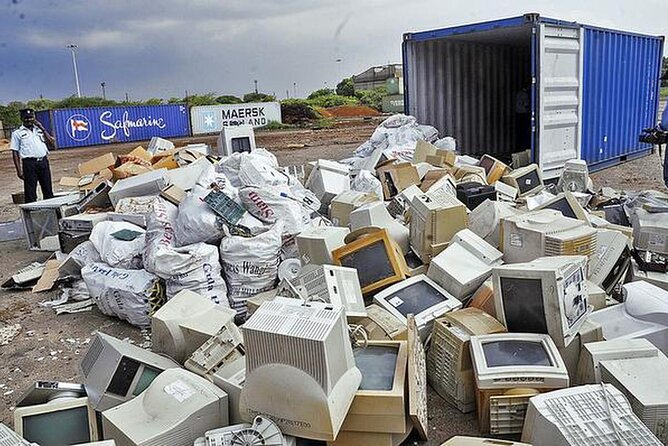
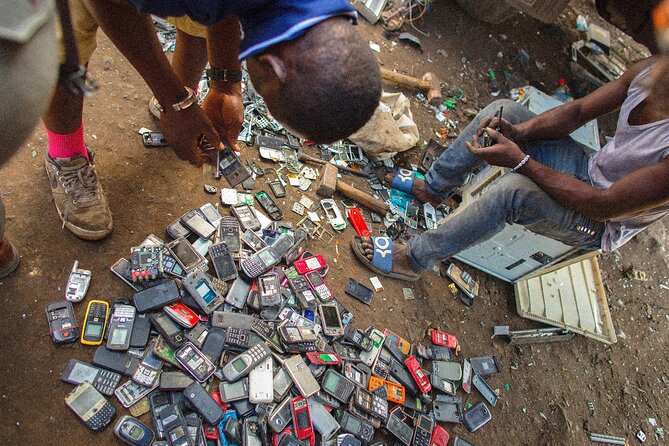
The tour presents Agbogbloshie as both a recycling center and a place where people earn a living by recovering useful materials. Young workers manually dismantle old electronics, extract metals such as copper, and sort items that still have value. The work is practical and resourceful, but it also carries clear environmental and health concerns.
That tension is the reason I find this tour worthwhile. You are not being shown a tidy recycling center with spotless bins and neat labels. You are seeing an informal system at work, one that turns discarded goods into income while exposing workers and the surrounding area to serious risks.
A guide matters here. Without context, you might notice piles of electronics, smoke, tools, and activity without understanding how the process works or why it continues. With a guide, you can ask about waste management, the materials being recovered, and the ways local workers use both traditional and modern methods.
The experience is educational, but it is not designed to make the subject comfortable. That is part of its value.
Other Accra trips people book alongside this one:
- The Cape Coast Day Tour
★ 5.0 · 525 reviews - Experience the Beauty, History and the Culture Of Accra in a Day
★ 5.0 · 323 reviews - The Cape Coast Tour
★ 5.0 · 177 reviews
Starting with Makola Market
The first stop takes you through Makola Market, Accra’s major central market and shopping district. The visit lasts about an hour and includes walking past the market area, with the option to shop and take photographs.
Makola gives you a useful introduction to Accra before the tour turns toward e-waste. You see women traders, local goods, shoppers, and the everyday rhythm of a working commercial district. It is a colorful, energetic place, but the real value is not just the chance to buy something. The market shows you how goods move through the city before you begin thinking about what happens to them after use.
I like this pairing. The market provides a human and economic setting for the second part of the tour. You first see commerce at the point of sale, then examine what happens when products become unwanted or broken.
Allow yourself some patience here. A central market is not a museum exhibit, and walking through it calls for awareness of other people’s workspaces. Ask your guide before taking close-up photographs of individuals or stalls. If you plan to shop, keep it simple and avoid letting purchases make the rest of the walking tour awkward.
The market portion can also vary in feel depending on the day and timing. The listed opening information gives a broad Monday operating window, from 6:00 AM to 11:00 PM, but your actual tour schedule is determined by the booked start time. Confirm the meeting details when you reserve.
Entering the Agbogbloshie scrap-metal area
The second part, lasting about two hours, is the reason most people book this experience. You travel to Old Fadama, also identified with the Agbogbloshie community, and explore the scrap-metal and e-waste area by vehicle and on foot.
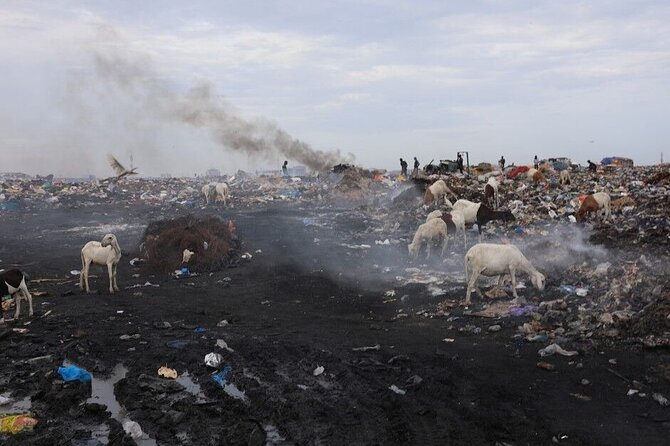
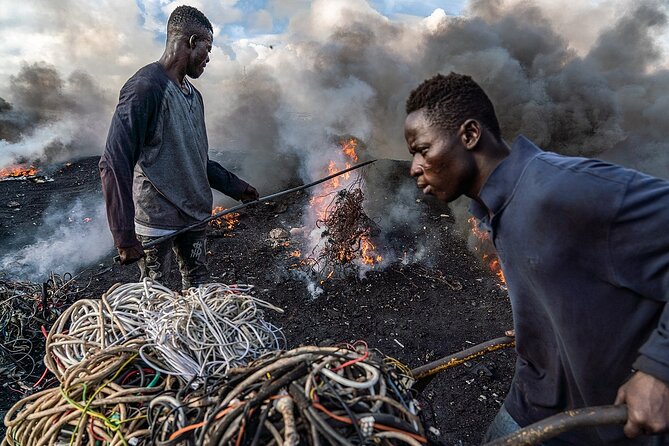
This is not a staged demonstration. The work you see involves real people handling real discarded equipment. Electronics are dismantled by hand, useful metals are recovered, and plastic and other unwanted parts are separated. Some accounts of the visit describe open fires used in the process, along with smoke and chemical odors.
You should expect the setting to be rough. The experience may challenge your assumptions about recycling and about the cost of cheap electronics. It can also raise uncomfortable questions about how waste from other parts of the world reaches communities with fewer protections for workers and the environment.
That discomfort should be treated with respect. The people working here are not props for photographs. They are earning a living in a difficult industry, and the tour is strongest when it helps you understand their work rather than simply presenting it as a spectacle.
Your guide’s role is especially important at this stop. Daniel has been praised for patient and professional service, while Sadik Aweisu has been singled out for offering useful information in a friendly way. Kwame has also been praised for his passion and clear explanations about the recycling process and its effect on the environment.
Because this is a private activity, you can ask questions without worrying about slowing down a large group. That makes a difference in a place where the details may not be obvious. You can ask what workers are separating, how recovered materials earn money, and how local recycling connects to wider waste problems.
What you will learn about informal recycling
The word recycling can sound clean and reassuring. Agbogbloshie shows you a less protected version of it.
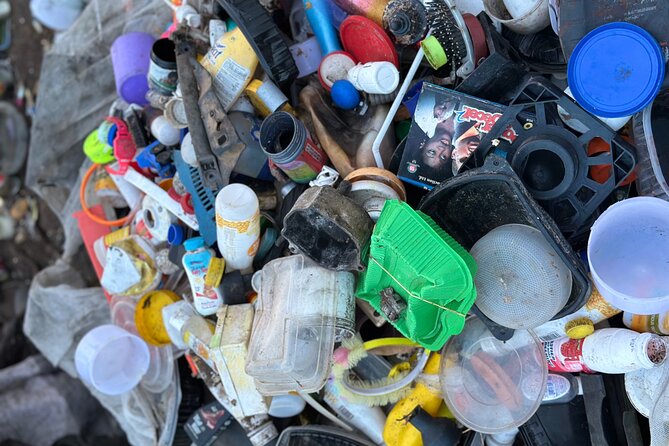
Workers recover value from old computers, appliances, and other electronic equipment. Copper and other metals can be sold, while unwanted plastic and other materials may be discarded or burned. The process requires skill and persistence, but it can also expose people to smoke, fumes, and hazardous substances.
The tour helps you see why informal recycling exists. Electronics contain materials with resale value, and dismantling them creates income. At the same time, the environmental cost can be severe when there is no safe system for handling every part of the equipment.
I appreciate that the experience presents both sides. You see practical ingenuity, not just pollution. You also see the health and environmental dangers, not just a feel-good story about reuse.
Some visitors have described feeling overwhelmed by the sounds, fires, smells, and scale of the site. Take that seriously when deciding if the tour suits you. It is not a relaxed photo stop, and you should not book it simply because it sounds unusual.
The setting may be particularly useful for students, families with older teenagers, sustainability-minded visitors, and anyone working in waste, design, technology, or development. One account noted that the experience had a lasting effect on teenagers who buy large amounts of inexpensive clothing. That makes sense: the site can connect personal buying habits with the afterlife of manufactured goods.
A completely different sort of day out of Accra:
- From Accra: Cape Coast, Elmina Castle & Kakum Park Day Tour
★ 4.6 · 144 reviews - Accra Detailed City Tour
★ 4.5 · 118 reviews - Accra Guided City Tour Experience
★ 4.7 · 88 reviews - Accra Guided City Tour Experience
★ 5.0 · 76 reviews
Why a private guide improves the visit
A private format is one of the strongest features of this experience. Only your group participates, so you can ask questions and spend more time on subjects that matter to you.
A guide also helps with tone. It is easy to arrive at a place like this and react only to the visual shock. An informed local guide can explain the work, introduce the people and processes with greater care, and help you avoid treating the area like an open-air curiosity.
The feedback about the guides is unusually consistent in its praise of friendliness, patience, professionalism, and useful information. Daniel is described as responsive to individual needs. Sadik Aweisu is noted for being nice, professional, and clear. Kwame is praised for his passion and subject knowledge.
That does not mean every tour will feel identical. Guides have different styles, and the amount of detail may depend on your questions. I would arrive ready to participate rather than simply listen. Ask direct questions, take time to observe, and tell the guide if you need a moment away from smoke or noise.
The private setting also makes the $80 price more reasonable for couples, families, or small groups. A solo visitor may find it expensive for two to three hours, but a group can divide the cost while receiving private transport and guiding.
Is $80 good value?

At $80 per person, this is not the cheapest short activity in Accra. The value depends on what you want from the morning or afternoon.
You are paying for more than access to a location. The experience includes pickup from your accommodation, transport through Accra, the Makola Market visit, a guide, the walking portion, and a private group arrangement. Those elements save you the trouble of arranging local transport and trying to interpret the site alone.
For a private group, the price is easier to defend. You receive a focused experience on a subject that is difficult to understand through ordinary sightseeing. The guide’s explanations are central to the value, so I would consider the quality of the guiding more important than the number of stops.
For a solo visitor on a tight budget, $80 may feel high for a tour lasting two to three hours. You should book it if the e-waste subject is a major reason for your visit, not simply because you have an empty afternoon.
The tour is booked an average of 23 days ahead, so planning early is sensible if your dates are fixed. Group discounts are offered, and the mobile ticket makes it easy to keep your confirmation with you.
Comfort, safety, and respectful conduct
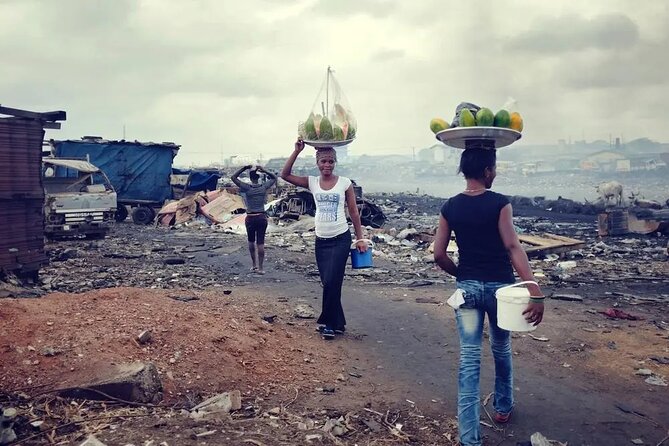
The physical demands are modest on paper, since the tour combines driving and walking and lasts only a few hours. Still, the site itself may be uneven, smoky, noisy, or uncomfortable. The listing says most people can participate, and service animals are allowed, but it does not give detailed information about ground conditions or protective equipment.
I would wear closed shoes and practical clothing that you do not mind exposing to dust or odors. This is sensible preparation for a scrap-metal area, not a claim about specific equipment supplied by the operator. You should also be ready for strong smells and open flames based on the descriptions of the working area.
Photography deserves care. Ask before photographing workers, and follow your guide’s advice about where to stand. A private tour gives you freedom to ask questions, not permission to intrude.
The environmental subject can also make the visit emotionally heavy. You may leave thinking about electronics, clothing, consumption, and the uneven burdens of global trade. That is a useful result, but it is not the same as leaving a cheerful market tour with a bag of souvenirs.
Who should book this experience?
I would recommend it to you if you want an honest look at recycling, informal work, and the final destination of discarded electronics. It is a strong choice for curious visitors who value local explanation over polished attractions.
It also suits:
- Students and older teenagers studying environmental issues
- Visitors interested in sustainability and waste management
- Photographers who can work respectfully and follow local guidance
- Small groups that want a private, question-friendly tour
- People who want to connect everyday buying habits with wider consequences
I would hesitate to recommend it if you dislike smoke, strong odors, rough industrial settings, or emotionally difficult subjects. You should also think twice if your main goal is a relaxed introduction to Accra. Makola Market is lively and social, but Agbogbloshie is the serious center of the experience.
Booking and cancellation details
Pickup is offered, the activity ends back at the meeting point, and confirmation is received at booking. The tour operates as a private activity, and mobile tickets are accepted.
Free cancellation is available if you cancel at least 24 hours before the scheduled start time. Cancellations or changes made within 24 hours are not refunded or accepted, and the cut-off follows local time.
Should you book the Accra e-waste tour?
Book this tour if you want to see how discarded electronics become income, materials, and pollution all at once. The combination of Makola Market and Agbogbloshie gives you more than a single industrial stop, while the private format lets you ask the questions that make the visit meaningful.
I would not choose it as a casual filler activity. The price is fair for a private guided outing with pickup, but the subject and conditions are demanding. For the right visitor, this is one of Accra’s most thought-provoking experiences, especially when guides such as Daniel, Sadik Aweisu, or Kwame bring patience and clear local context to the visit.
FAQ
How long does the Accra e-waste and recycling experience last?
The experience lasts approximately two to three hours. About one hour is allocated to Makola Market, followed by about two hours at Old Fadama and the Agbogbloshie scrap-metal area.
What locations does the tour visit?
The tour visits Makola Market and Old Fadama, also identified with the Agbogbloshie community. The route includes driving and walking.
Does the tour include pickup?
Yes. Pickup from your accommodation is offered. The activity ends back at the meeting point.
Is this a private tour?
Yes. Only your group participates in the activity.
How much does the tour cost?
The listed price is $80 per person. Group discounts are offered.
Are mobile tickets accepted?
Yes. The experience offers mobile ticketing, and booking confirmation is received at the time of booking.
Can service animals participate?
Yes. Service animals are allowed.
What is the cancellation policy?
You can receive a full refund if you cancel at least 24 hours before the experience start time. Cancellations or changes made less than 24 hours before the start time are not refunded or accepted.
Just added around Accra
- Experience Cape Coast Castle and Kakum National Park★ 4.5 · 3 reviews
- Experience Northern Ghana In 10-Days★ 5.0 · 3 reviews
- Discover Ghana – Wli Waterfalls, Mountain Afadjato, Monkey Sanctuary & Akosombo.★ 4.5 · 3 reviews
- Cultural Tour Of Ghana And South Africa 12 Days★ 5.0 · 3 reviews
- Accra: City Highlights Half-day Guided Tour with Transfers★ 4.1 · 3 reviews
- Accra: Half day private safari with pick up★ 3.5 · 3 reviews
- Full Day Accra Guided Tour★ 5.0 · 3 reviews
- Experience Aburi Botanical Gardens And Boti Water Falls In A Day.★ 5.0 · 3 reviews