Reviewed · TOURS
African custom clothing making experience with fabric tour
Wear your own piece of Accra. This six-hour experience pairs a guided visit to Makola fabric market with hands-on clothing making, so you do more than buy a souvenir. You learn what Ghanaian fabric symbols mean, choose from about a hundred prints, and help create a shirt, dress, or caftan. I especially like the fabric education and the fact that the final garment is made to your measurements.
I also like that the price includes the fabric, sewing equipment, instruction, snacks, drinks, transportation, and the completed garment. The main drawback is time: six hours is a long block for anyone who only wants quick market shopping, and the listing gives limited detail about exact garment styles, finishing time, or pickup arrangements. Confirm those points before you set out.
In This Review
- Key points to know before booking
- Starting at Makola market in central Accra
- Choosing an African print with meaning
- Taking measurements at the sewing workshop
- Cutting fabric and building the garment
- A practical sewing lesson, not just a photo stop
- Snacks while the final stitching is done
- What the $240 price really includes
- Timing, transport, and practical planning
- Who will enjoy this Accra clothing experience?
- Should you book it?
- FAQ
- Where does the experience start?
- How long does the activity last?
- What types of clothing can I make?
- Is the fabric included in the price?
- Are sewing tools and instruction included?
- Are food and drinks included?
- Is transportation provided?
- Can I cancel for a full refund?
Key points to know before booking
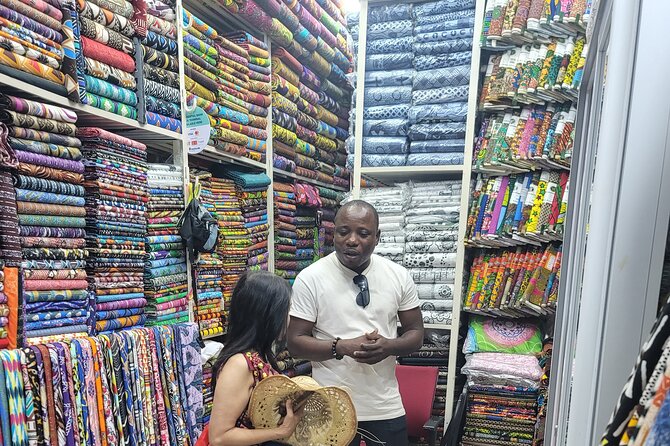
- Makola market comes first: You learn about Ghanaian fabrics, kente types, and the meanings behind printed symbols before choosing your material.
- You choose the fabric yourself: About a hundred African prints are available, giving you real control over the look of your garment.
- You help make the clothing: Measuring, cutting, basic stitching, and hand sewing are part of the workshop.
- Your garment is custom fit: The planned choices include a shirt, dress, or caftan, with other items possible if arranged in advance.
- The price covers most essentials: Fabric, equipment, instruction, snacks, bottled water, soda, taxes, and transportation are included.
- It is a private activity: Only your group takes part, which makes it easier to ask questions and work at a comfortable pace.
Starting at Makola market in central Accra
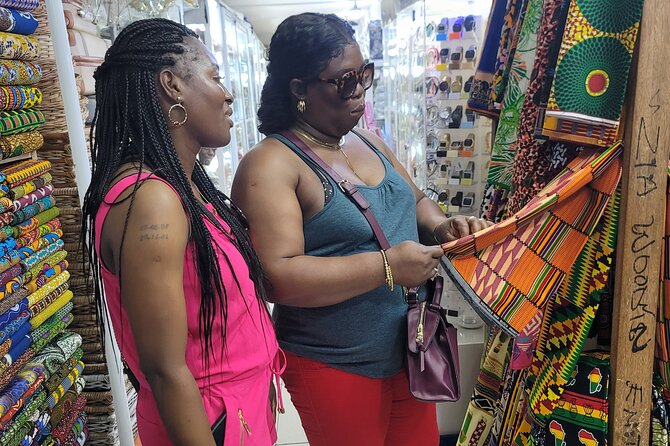
The meeting point is the new building at Makola shopping mall, on Market Street in Accra. You may walk there or use the offered transport, and pickup is advertised as available. Since the details also say the activity ends back at the meeting point while transportation to your hotel is included, I would confirm the exact pickup and drop-off plan when booking.
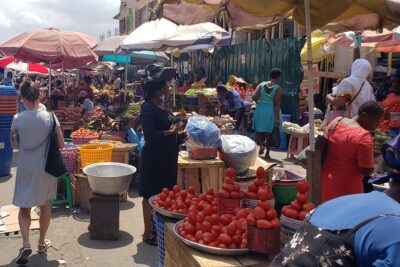
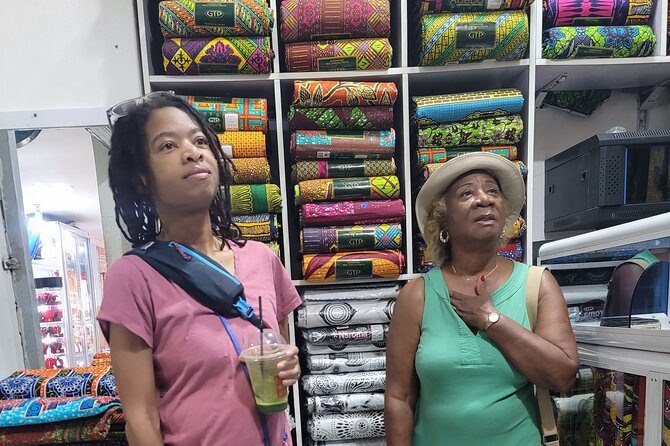
Makola is a useful place to begin because the fabric choice is not treated as a quick purchase. You start with a tour that explains the different types of cloth sold in Ghana. This gives your shopping a little more meaning. Instead of pointing at the first attractive print, you can ask what the fabric is called, how it is used, and what its symbols represent.
The market portion is especially valuable if you are new to African textiles. A print can look like a simple pattern until someone explains the idea behind it. The tour includes information about kente fabrics and the meanings of symbols, so you gain context before making your choice.
Allow yourself time to look carefully. With roughly a hundred options, choosing one fabric may take longer than expected. That is part of the fun, but it also means you should not arrive with a rigid schedule for the afternoon. If you already know the colors or style you want, tell the guide early.
Other Accra trips people book alongside this one:
- The Cape Coast Day Tour
★ 5.0 · 525 reviews - Experience the Beauty, History and the Culture Of Accra in a Day
★ 5.0 · 323 reviews - The Cape Coast Tour
★ 5.0 · 177 reviews
Choosing an African print with meaning
The fabric is included in the $240 price, which removes one common uncertainty from custom clothing. You do not need to guess how much extra money to set aside for the material, though tips and meals beyond the supplied snacks and drinks are not included.
I like the freedom built into the selection process. You are not handed a standard souvenir design. You choose the print, then decide whether it will become a dress, shirt, or caftan. Other African print items may be possible, but you should message the provider before the visit rather than assume every request can be handled during the workshop.
The fabric tour also helps you make a smarter style decision. A busy print may work well for a loose caftan, while another pattern may suit a shirt or dress better. The information provided does not specify the full range of cuts, necklines, sleeves, or closures, so ask about these details if you have a particular design in mind.
The strongest part of this stop is the personal connection. You are not simply buying cloth by the yard. You are selecting the material for something made during the same day, which gives the finished item a clear link to your time in Accra.
Taking measurements at the sewing workshop
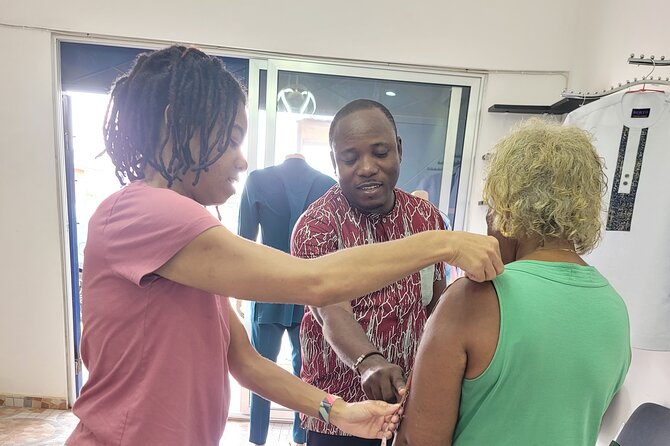
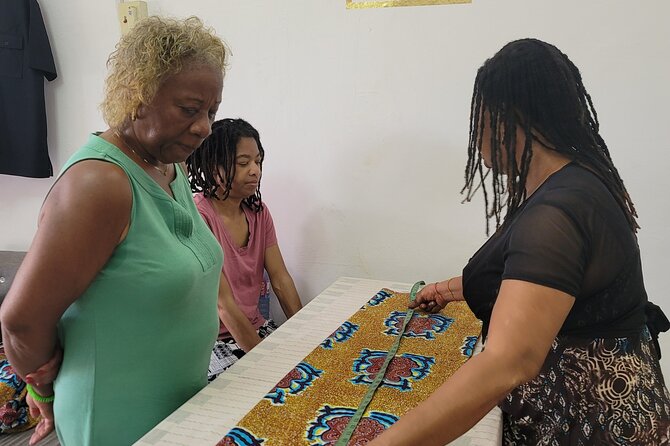
After the market, you go to the workshop for measurements. The process includes learning how body measurements are taken for custom African clothing. This matters because the garment is intended to fit you rather than come off a rack.
You should wear comfortable clothing that makes measuring easy. The supplied information does not specify a dress code or changing facilities, so modest, practical clothing is the safest choice. If you have strong preferences about fit, such as a loose waist or longer sleeves, explain them before cutting begins.
The measuring lesson is also a small window into how clothing is made. You see that a good fit depends on more than height and waist size. The pattern must be planned, cut, and adjusted for the garment you selected. The studio assistant guides or helps you through the practical work, so you do not need previous sewing experience.
Because this is a private activity, your group should have room to ask questions without keeping up with strangers. That is a real advantage for anyone who feels unsure around sewing equipment. The activity is intended for most people to join, but the amount of physical participation can depend on your comfort and the design you choose.
Cutting fabric and building the garment
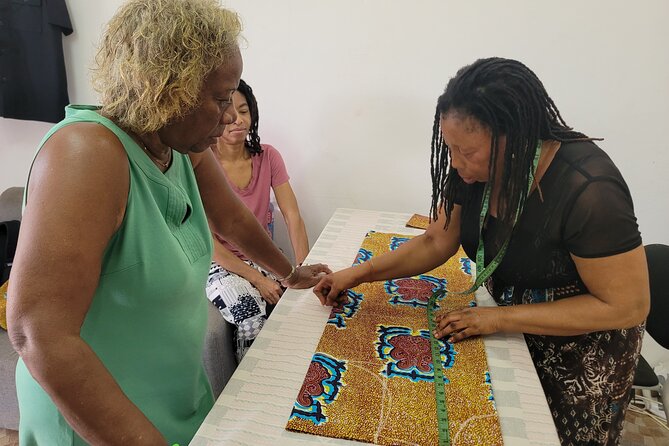
Once your measurements are taken, you help cut the pattern and fabric pieces. This is where the experience shifts from shopping to making. You can see how the chosen print will sit on the garment and how separate pieces begin to form a finished shape.
Cutting requires care. A mistake at this stage can affect the final garment, so follow the assistant’s directions closely. The activity provides sewing equipment and training on how to use it, which means the cost covers the tools needed for the lesson.
You are not expected to complete every technical step alone. The studio assistant guides or assists you as the work progresses. That balance is important. You get a genuine hand in the process, but you are not left to struggle through a full garment with no help.
The information does not say how much time you will spend operating a sewing machine compared with hand sewing. It does promise a practical lesson in basic stitching or hand sewing. If learning to sew is the main reason you are booking, send a message before the date and ask how much of the construction you will personally handle.
A completely different sort of day out of Accra:
- From Accra: Cape Coast, Elmina Castle & Kakum Park Day Tour
★ 4.6 · 144 reviews - Accra Detailed City Tour
★ 4.5 · 118 reviews - Accra Guided City Tour Experience
★ 4.7 · 88 reviews - Accra Guided City Tour Experience
★ 5.0 · 76 reviews
A practical sewing lesson, not just a photo stop
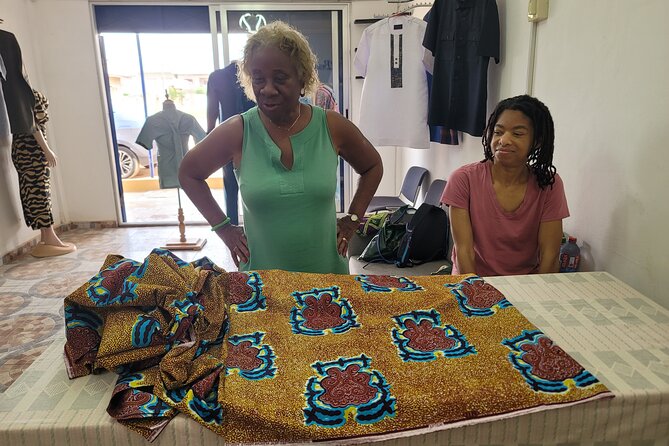
The workshop includes basic stitching or hand sewing, with an assistant nearby. I see this as the heart of the activity. Many clothing tours stop at fabric shopping or a quick photograph in a finished outfit. Here, you take part in the steps between raw cloth and wearable clothing.
You will likely find the lesson most rewarding if you enjoy making things with your hands. It is also a good fit for families, couples, and small private groups who want an activity they can share. The experience is not limited to people who already know how to sew.
At the same time, you should set realistic expectations. This is a six-hour cultural and creative session, not a professional tailoring course. The supplied details promise basic training and assistance, but they do not promise advanced instruction in pattern drafting, industrial sewing, or garment design.
The private format gives the day a personal feel. Your group can focus on its own garment choices and ask for help when needed. If one person is a confident sewer and another has never touched a needle, the assistant can help keep both involved.
Snacks while the final stitching is done
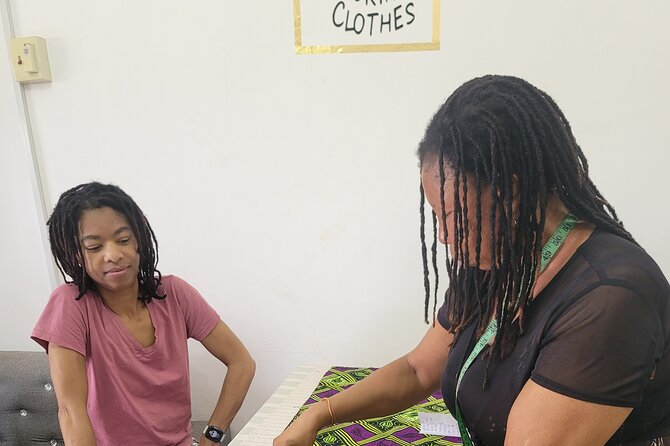
As the garment nears completion, the assistant finishes the remaining work while you enjoy local snacks. Bottled water and soda are also included. This break is practical because the garment may need expert finishing beyond the basic steps you perform yourself.
Lunch and dinner are not included, so plan around the six-hour schedule. Snacks should not be treated as a full meal. If you have dietary needs, ask in advance what will be served. No specific snack menu is provided.
This final stage also explains why the schedule lasts about six hours. You are not only receiving a short class. The day includes the market visit, fabric selection, measuring, cutting, sewing instruction, assistance, and final construction. The garment is completed by the end of the session, according to the experience details.
The most useful review detail is simple: one participant particularly enjoyed learning about kente fabrics and symbol meanings, then felt very happy with the finished garment. That points to the two strongest rewards here: the market lesson and the satisfaction of wearing something made from your own choice of cloth.
What the $240 price really includes
At $240 per person, this is not a bargain market outing. It is better understood as a private, full-day creative service with a finished custom garment included.
The price covers:
- African print fabric
- Custom African clothing
- Sewing equipment
- Instruction on using the equipment
- Workshop assistance
- Snacks
- Bottled water
- Soda
- All fees and taxes
- Air-conditioned transportation
- Pickup and drop-off
That package improves the value considerably. If you bought fabric separately, paid a tailor, arranged transport, and booked a sewing lesson, the costs would be split across several transactions. Here, they are combined into one activity.
Still, the value depends on what you want. If your main goal is to buy inexpensive cloth, you can likely find a cheaper way to shop. If you want a personal garment, cultural explanation, instruction, and the convenience of transport, the price is easier to justify.
You should also remember that tips are not included. Meals beyond the supplied snacks and drinks are your responsibility. The total cost is therefore close to the advertised price, but not necessarily the final amount you will spend during the day.
Timing, transport, and practical planning
The activity lasts about six hours and is offered daily from 9:00 a.m. to 6:00 p.m. It is commonly reserved about seven days ahead, so I would not leave this until the last moment if your Accra schedule is tight.
A mobile ticket is provided, and confirmation is received at booking. The activity is near public transportation, but air-conditioned transport is included. Because the information gives both a meeting point ending and hotel drop-off details, confirm where your group will be collected and returned.
The activity requires good weather. If poor weather causes cancellation, you are offered another date or a full refund. You can cancel for a full refund up to 24 hours before the start time. Changes or cancellations made less than 24 hours ahead are not accepted for a refund.
Most people can participate, and the activity is private. The supplied details do not provide specific accessibility information, so contact Renaissance Cultural Tours if you need help with walking, transport, workshop seating, or other access needs.
Who will enjoy this Accra clothing experience?
I would choose this for someone who wants a useful souvenir rather than a small object that sits in a suitcase. A custom shirt, dress, or caftan carries your fabric choice and the memory of making it.
It also suits anyone curious about Ghanaian textiles. The Makola visit is not filler. Learning the names of fabrics and the meanings of symbols gives you a better reason to care about the print you wear.
This is a good choice for:
- First-time visitors wanting a structured Accra activity
- Couples or families seeking a private creative outing
- People interested in fashion, textiles, or sewing
- Visitors who want an African print garment made to their measurements
- Anyone who prefers an activity with transport and most costs included
I would think twice if you dislike shopping, have only a few free hours, or want complete control over a complex design. The experience is also not the best match if your only goal is a quick purchase at Makola market.
Should you book it?
Book this experience if you want to connect a market visit with the making of something you can wear. The most praised features are the fabric shopping, the explanation of kente and symbol meanings, and the happiness of leaving with a finished garment.
At $240, the experience asks more than a basic market tour, but it includes the material, tailoring, instruction, food and drinks, transport, and private attention. Message Renaissance Cultural Tours before booking if you want a design other than a shirt, dress, or caftan, or if pickup and hotel drop-off are important to your plans.
I would book it for a relaxed day in Accra, not for a rushed morning. Give yourself time to choose the right print, listen to the fabric explanations, and enjoy the fact that your souvenir is made rather than simply bought.
FAQ
Where does the experience start?
It starts at the new building of Makola shopping mall, at GQWV+67G, Market Street, Accra, Ghana.
How long does the activity last?
The experience lasts approximately six hours.
What types of clothing can I make?
The planned options are an African print shirt, dress, or caftan. Other African print items may be possible if you discuss them with the provider in advance.
Is the fabric included in the price?
Yes. The cost of the African print or fabric is included.
Are sewing tools and instruction included?
Yes. Sewing equipment and training on how to use it are provided. You also receive practical guidance with basic stitching or hand sewing.
Are food and drinks included?
Snacks, bottled water, and soda are included. Lunch and dinner are not included.
Is transportation provided?
Yes. Pickup and drop-off are included, along with an air-conditioned vehicle. Since the details also identify Makola as the meeting point and end point, confirm the exact arrangement for your booking.
Can I cancel for a full refund?
Yes. You can cancel at least 24 hours before the start time for a full refund. Cancellations or changes made less than 24 hours before the start time are not accepted for a refund.
Just added around Accra
- Experience Cape Coast Castle and Kakum National Park★ 4.5 · 3 reviews
- Experience Northern Ghana In 10-Days★ 5.0 · 3 reviews
- Discover Ghana – Wli Waterfalls, Mountain Afadjato, Monkey Sanctuary & Akosombo.★ 4.5 · 3 reviews
- Cultural Tour Of Ghana And South Africa 12 Days★ 5.0 · 3 reviews
- Accra: City Highlights Half-day Guided Tour with Transfers★ 4.1 · 3 reviews
- Accra: Half day private safari with pick up★ 3.5 · 3 reviews
- Full Day Accra Guided Tour★ 5.0 · 3 reviews
- Experience Aburi Botanical Gardens And Boti Water Falls In A Day.★ 5.0 · 3 reviews
Tours, compared.
Cape Coast, Elmina Castle & Kakum Park Day Tour
Read our review →