
Reviewed · ACCRA
Nature Thrills
Trade Accra’s traffic for trees, cocoa, and falling water. Nature Thrills links three worthwhile stops east of the city, giving you a useful taste of Ghana’s plants, cocoa farming, and forest scenery in one 5 to 7-hour outing. I like the sensible mix of learning and outdoor activity, plus the comfort of hotel pickup and included admission fees.
I also like the strong sense of place. Aburi Botanical Gardens connects plants with food, medicine, spices, and Ghana’s colonial and political past, while Tetteh Quashie Cocoa Farm ties chocolate to the people and work behind it. The main caution is the waterfall walk: the climb can feel tougher than the short description suggests, especially once you reach the roughly 90 steps leading to the larger falls.
In This Review
- Key points to know before you book
- A useful nature break from Accra
- Aburi Botanical Gardens: plants with a story
- Tetteh Quashie Cocoa Farm and the road from bean to bar
- Adom Waterfalls: beautiful, but take the climb seriously
- What the $150 price really covers
- Transport, timing, and the practical details
- Who will get the most from this outing?
- Should you book Nature Thrills?
- FAQ
- Where does the tour take place?
- How long does the tour last?
- Is hotel pickup included?
- Are entrance fees included in the price?
- Are meals included?
- How difficult is the walk to Adom Waterfalls?
- Can I cancel for a full refund?
Key points to know before you book
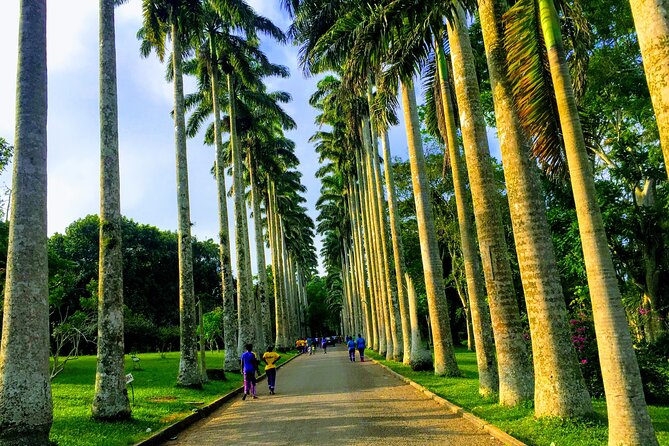
- Aburi Botanical Gardens opened in 1890: You’ll see plants from Ghana and other parts of the world, including trees linked with figures such as Queen Elizabeth II and Prince Charles.
- Tetteh Quashie Farm is part of cocoa history: Two original trees planted by Tetteh Quashie in 1870 still produce fruit.
- Adom Waterfalls requires a real uphill walk: Allow about 25 minutes to reach the falls, with extra steps near the larger waterfall.
- Hotel transfers simplify the day: Pickup and drop-off within Accra, local transport, fuel, taxes, and entrance fees are included.
- The $150 price covers the essentials: It is easier to judge the value when you count three admissions, transport, and guide support together.
- A moderate fitness level matters: This is not a sit-back-and-watch-the-view excursion, particularly at the waterfall.
A useful nature break from Accra
Accra can demand your attention from the moment you step outside. Traffic, heat, noise, and city errands fill the day quickly. This excursion gives you a change of pace without asking you to arrange several separate trips into the Eastern Region.
The route brings together three different kinds of experience. You begin with formal gardens, move into working cocoa country, then finish beside a forest waterfall. That variety keeps the day from feeling like three versions of the same stop.
The tour operates Monday through Sunday, with listed hours from 8:00 a.m. to 4:00 p.m. The exact time spent on the road can affect the feel of the day, since the outing is advertised at about five to seven hours. Pickup is offered from hotels within Accra, while the listed meeting point is Accra Mall at Plot C11, Tetteh Quarshie Interchange, Spintex Road.
The vehicle used on one reported outing was air-conditioned and arrived early. That detail matters in Ghana’s heat. A cool vehicle, especially after the waterfall walk, makes the return trip far more pleasant.
Other Accra trips people book alongside this one:
- The Cape Coast Day Tour
★ 5.0 · 525 reviews - Experience the Beauty, History and the Culture Of Accra in a Day
★ 5.0 · 323 reviews - The Cape Coast Tour
★ 5.0 · 177 reviews
Aburi Botanical Gardens: plants with a story
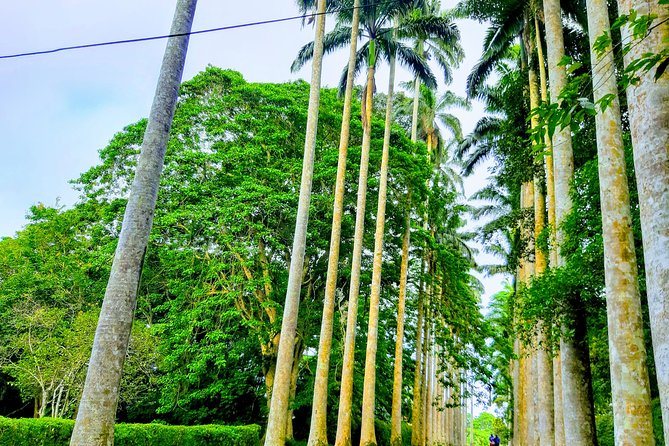
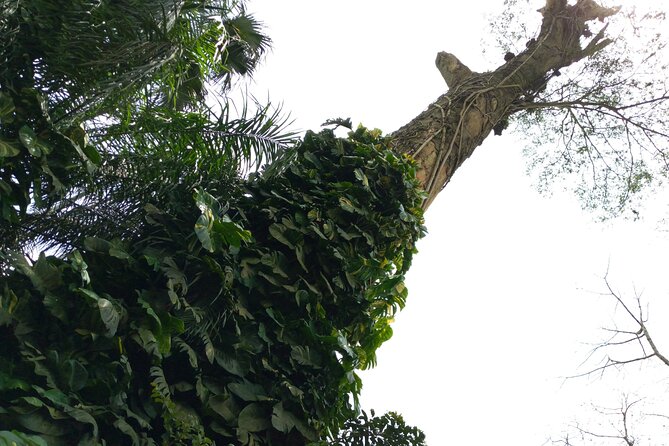
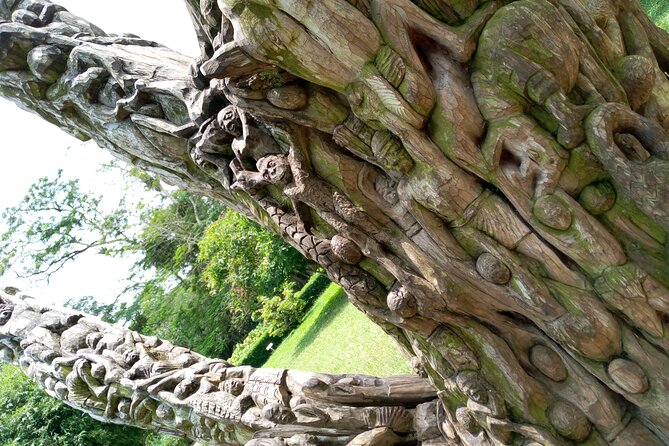
The first stop usually receives about two hours, which gives you enough time to walk beyond a quick photo stop. Aburi Botanical Gardens opened in 1890 and focuses on protecting plant and animal species. Its plant collection includes species from different parts of the world, so this is not simply a patch of local forest.
I like the way the garden can turn an ordinary plant into a practical lesson. Plants here are connected with food, medicine, cooking spices, and decoration. If you are interested in how people use the natural world in daily life, ask the guide to point out examples and explain their uses.
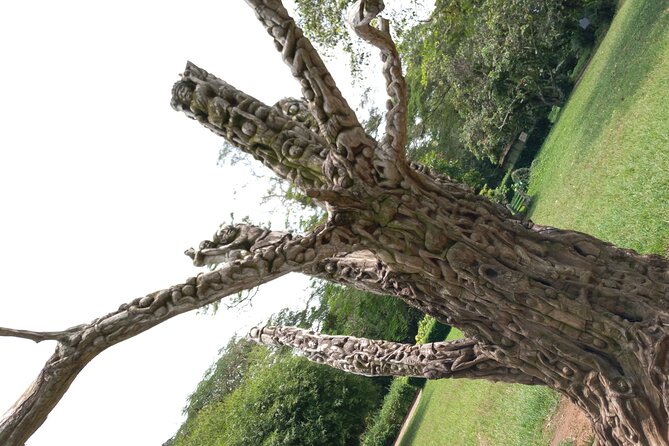
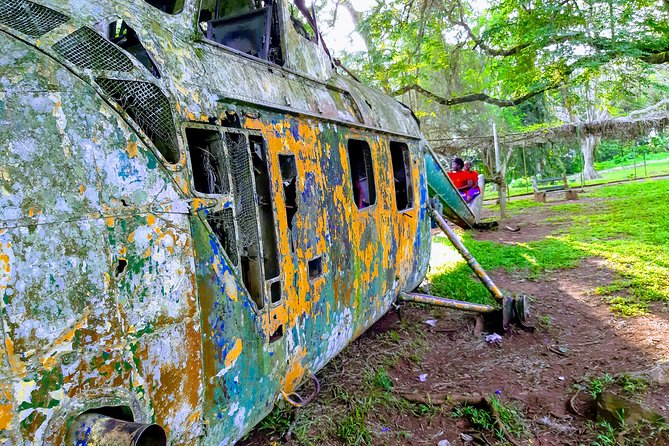
The garden also carries a record of Ghana’s political and colonial eras. Trees were planted by colonial governors and African leaders, including Sir Gordon Guggisberg, General Olisengo Obasanjo, and former Ghanaian president Jerry John Rawlings. Queen Elizabeth II and Prince Charles are also linked with plantings here.
That background gives the walk more meaning than a simple botanical checklist. You are seeing living plants, but you are also tracing the changing role of the site and the people connected with it. Still, keep your expectations measured. The description promises a range of plants, but one visitor hoped to see more herbs and spices than were on display. If that is your main interest, the garden may feel less specialized than you expect.
Plan on comfortable shoes and a little patience. Two hours can pass quickly if you stop to look at individual plants, but it may feel long if you prefer a fast stroll. The included admission fee means you do not need to budget separately for entry.
Tetteh Quashie Cocoa Farm and the road from bean to bar
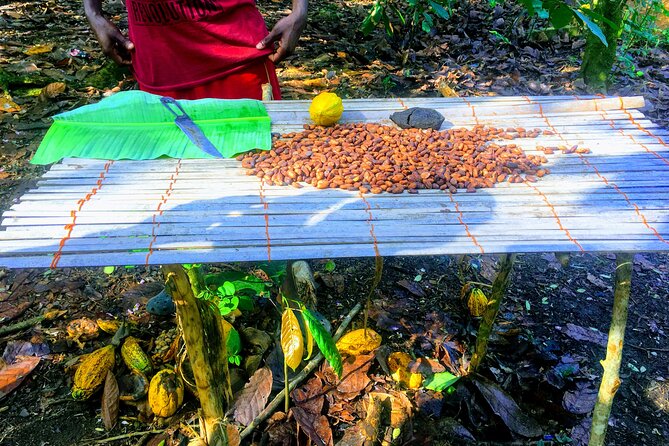
The cocoa farm adds the strongest cultural and economic context to the day. Tetteh Quashie planted this farm at Akuapim Mampong in 1870, and two of his original trees still bear fruit. Those trees give you a direct link to the early development of cocoa in Ghana.
The visit explains the process from planting through harvesting. You then learn about fermentation, the step that produces raw cocoa beans for export or sale to manufacturers. This is the part many chocolate lovers miss. A finished bar hides the agricultural work, careful handling, and processing that begin on a farm.
Ghana is known for producing high-quality cocoa and ranks second to Ivory Coast in quantity. The farm visit helps put that fact into human scale. Instead of thinking only about chocolate as a shop product, you can see the crop, the trees, and the early stages that shape the final ingredient.
About one hour is set aside here. That is enough for a clear introduction, but do not expect a long factory tour or an elaborate chocolate-making workshop. The focus is cocoa farming and processing, not a full confectionery class.
I consider this stop especially worthwhile if you want more than pretty scenery. It explains a major Ghanaian product in the place where the work begins. The guide support is included, so you can ask questions as you move through the process rather than trying to understand every stage from signs alone.
Adom Waterfalls: beautiful, but take the climb seriously
The waterfall is the payoff for the most physical part of the day. Adom Waterfalls, also called Obosomase Waterfalls, lies in Obosomase in Ghana’s Eastern Region. Water runs over stratified rocks into a clear pool, with the falls passing through forest that was once home to Indigenous Ghanaian people about 400 years ago.
The setting sounds peaceful, but reaching it takes effort. The walk uphill lasts about 25 minutes, and the larger waterfall requires roughly 90 additional stairs. The two-part arrangement includes a lower falls and an upper falls, so you may want to save some energy rather than treating the first section as the finish.
The payoff is a striking view once you arrive. The water, rock, and forest make a fine contrast with the city. You can expect a more active stop than the garden or farm, and the air-conditioned vehicle will likely seem especially welcome afterward.
The physical demands deserve clear attention. One person found the hike almost too strenuous, while another felt the trek was longer than expected before reaching the breathtaking falls. Those comments point to the same practical advice: the waterfall is worth considering for its scenery, but you should not book this day assuming a gentle stroll.
The tour asks for a moderate level of fitness. Wear shoes with a secure grip, move at your own pace, and bring enough energy for both the uphill section and the stairs. The supplied information does not specify swimming arrangements, so do not plan the visit around getting into the pool. Treat the water as a scenic finish unless your guide gives different instructions.
A completely different sort of day out of Accra:
- From Accra: Cape Coast, Elmina Castle & Kakum Park Day Tour
★ 4.6 · 144 reviews - Accra Detailed City Tour
★ 4.5 · 118 reviews - Accra Guided City Tour Experience
★ 4.7 · 88 reviews - Accra Guided City Tour Experience
★ 5.0 · 76 reviews
What the $150 price really covers
At $150 per person, this is not the cheapest way to spend a day outside Accra. The value depends on how much you would otherwise need to organize yourself.
The fee includes entrance to all three attractions, local transportation, hotel pickup and drop-off within Accra, fuel charges, taxes, and guide support. Meals are not included. International airfare and anything outside the listed sightseeing are also your responsibility, but those exclusions are normal for a local day excursion.
I see the package as most useful for someone who wants one straightforward booking. Three admission fees can add up, and arranging transport to Aburi, Akuapim Mampong, and Obosomase on your own would take time and local planning. The included transfers also remove the need to negotiate separate rides between stops.
Group discounts are offered, which could improve the price for families or a small group. The maximum listed group size is 100 people, though the actual number on a particular departure is not provided. A group of that possible size could affect how quickly you move through explanations and how personal the guide support feels, so ask about the expected group size if that matters to you.
You should also budget for meals, since none are included. The available details do not specify a meal stop or what food you can buy along the route. Bring that question to the operator before departure, especially if you need a regular meal schedule.
Transport, timing, and the practical details
Pickup within Accra is one of the tour’s best conveniences. The advertised meeting point is Accra Mall, near the Tetteh Quarshie Interchange, and the activity ends back at the meeting point. If you are using hotel pickup, confirm the exact collection time and location at booking.
The listed operating window is 8:00 a.m. to 4:00 p.m., Monday through Sunday. Since the overall duration varies from five to seven hours, traffic and time spent at each stop may shape your day. An early start is helpful for making the most of the three visits without feeling rushed.
Confirmation arrives when you book. Service animals are allowed. The tour requires good weather, and bad conditions can lead to a different date or a full refund. For a full refund under the standard cancellation terms, cancel at least 24 hours before the start time. Changes or cancellations within 24 hours are not accepted for a refund.
Pack for a warm, active day. Comfortable walking shoes are the key item, followed by water and sun protection. Because the tour includes a forest walk and stairs, leave dress shoes and slippery sandals behind. The available details do not list a baggage policy, so keep what you carry manageable.
Who will get the most from this outing?
I would recommend Nature Thrills to you if you want a compact introduction to Ghana’s natural and agricultural side. It suits first-time visitors who have a base in Accra and want to see something beyond the city without arranging a separate regional trip.
It is also a good fit if you enjoy learning while you walk. The gardens explain plant use, the cocoa farm explains a major export crop, and the waterfall adds a physical reward at the end. Families with older children may appreciate the mix, provided everyone can handle the uphill walk and stairs.
This is less suitable if you want a slow, luxurious day with little exertion. The waterfall section can be strenuous, and the day covers three stops rather than allowing long, unhurried time in one place. It may also disappoint you if your main goal is an extensive herb and spice collection or a full chocolate factory demonstration.
The positive rating of 4.9 from 10 reviews and the 100 percent recommendation rate point to a strong overall experience, but the small number of ratings calls for sensible expectations. The praise centers on the gardens, the cocoa lesson, the scenery, and reliable early pickup. The main reservation is not the quality of the attractions. It is the effort needed to reach the waterfall.
Should you book Nature Thrills?
Book this tour if you want three different Ghana experiences in one day, with transport and entrance fees handled for you. The botanical gardens and cocoa farm provide the most accessible learning, while Adom Waterfalls supplies the scenery and exercise.
Skip it if a 25-minute uphill hike plus about 90 stairs sounds unpleasant, or if you need a meal and a very relaxed timetable built into the package. For everyone else, $150 is a reasonable convenience price when you value an air-conditioned transfer, a guide, three admissions, and a clear route out of Accra.
My best advice is simple: book with the waterfall in mind, not as an afterthought. Arrive ready to walk, wear proper shoes, and ask about food and pickup timing before the day begins. Do that, and this makes a lively, useful break from the city.
FAQ
Where does the tour take place?
The experience begins in Accra and visits Aburi Botanical Gardens, Tetteh Quashie Cocoa Farm at Akuapim Mampong, and Adom Waterfalls at Obosomase in Ghana’s Eastern Region.
How long does the tour last?
The full excursion lasts approximately five to seven hours. The listed time at Aburi Botanical Gardens is two hours, the cocoa farm is one hour, and Adom Waterfalls is two hours.
Is hotel pickup included?
Yes. Hotel pickup and drop-off are included for locations within Accra. The listed meeting point is Accra Mall at Plot C11, Tetteh Quarshie Interchange, Spintex Road.
Are entrance fees included in the price?
Yes. Entrance fees to the attractions, local transportation, fuel charges, taxes, and guide support are included.
Are meals included?
No. Meals are not included in the tour price.
How difficult is the walk to Adom Waterfalls?
You need a moderate level of physical fitness. The walk uphill takes about 25 minutes, and there are roughly 90 stairs to reach the larger waterfall.
Can I cancel for a full refund?
Yes, if you cancel at least 24 hours before the experience start time. Cancellations or changes made within 24 hours are not refunded, while poor weather may result in a different date or a full refund.
Just added around Accra
- Experience Cape Coast Castle and Kakum National Park★ 4.5 · 3 reviews
- Experience Northern Ghana In 10-Days★ 5.0 · 3 reviews
- Discover Ghana – Wli Waterfalls, Mountain Afadjato, Monkey Sanctuary & Akosombo.★ 4.5 · 3 reviews
- Cultural Tour Of Ghana And South Africa 12 Days★ 5.0 · 3 reviews
- Accra: City Highlights Half-day Guided Tour with Transfers★ 4.1 · 3 reviews
- Accra: Half day private safari with pick up★ 3.5 · 3 reviews
- Full Day Accra Guided Tour★ 5.0 · 3 reviews
- Experience Aburi Botanical Gardens And Boti Water Falls In A Day.★ 5.0 · 3 reviews