
Reviewed · ACCRA
Nima Experience
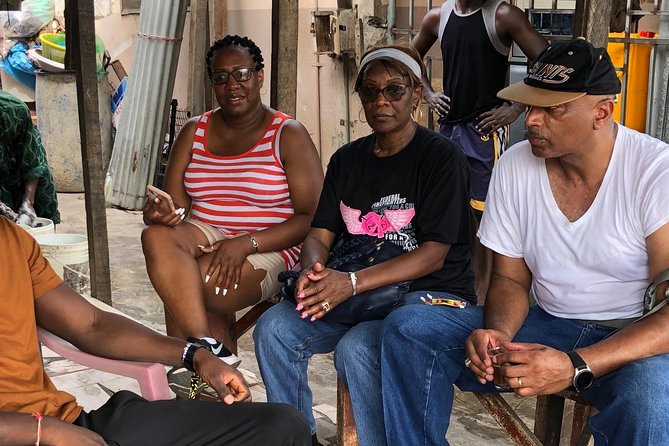
Nima never seems to pause. This private Accra walk takes you through one of the city’s most active neighborhoods, where market stalls, local homes, food, and stories about migration come together. I like the small private format, and I like that hotel pickup is included.
The market visit gives you a reason to slow down and notice everyday details, from local foods to piles of spices. The main consideration is that Nima is a working neighborhood, not a polished sightseeing district, so you should be ready for a direct and sometimes confronting look at city life.
In This Review
- Five things to know before you book
- Why Nima makes a useful introduction to Accra
- Starting at 8:00 am with hotel pickup
- Walking through Nima Market
- Food, spices, and the value of looking closely
- Local homes and stories of migration
- Guide Hassan and the importance of the private format
- Who should choose this Nima walk
- Practical planning for the morning
- Should you book the Nima Experience?
- FAQ
- Where does the Nima Experience take place?
- How much does the tour cost?
- How long does the experience last?
- What time does the tour start?
- Is hotel pickup included?
- Is this a private tour?
- What will I see during the tour?
- Can I buy local food or spices?
- What happens if the weather is poor?
Five things to know before you book

- Nima is a real residential neighborhood: You will see people working, shopping, cooking, and caring for children as part of ordinary daily life.
- The market is the tour’s main focus: Expect local foods, spices, interaction with market women, and time to purchase items.
- Private means personal: Only your group takes part, giving you more room to ask questions and set the pace.
- Hotel pickup is included: Round-trip transfers from your Accra hotel remove much of the morning planning.
- The tour starts at 8:00 am: The walk lasts about two to three hours, with the market visit listed as roughly two hours.
- Guide Hassan receives special praise: One published account calls the tour fantastic and highlights Hassan as an important part of the experience.
Why Nima makes a useful introduction to Accra
Nima offers a side of Accra that is easy to miss if you stay on the city’s main sightseeing route. The neighborhood is known here as a place where people from every tribe in Ghana live alongside one another, along with people who migrated into the area from elsewhere.
That gives the walk a clear purpose. You are not simply passing through a market to take photographs. You are hearing how residents came to Nima and how they built their lives there. Those stories help connect the crowded streets and busy stalls to real people rather than treating the area as a backdrop.
I appreciate that the experience focuses on daily life and migration stories. A short tour cannot explain every part of Nima, but it can give you a more grounded sense of Accra as a city shaped by movement, work, family, and trade.
The setting may also challenge your expectations. This is described as a slum tour, and that label can feel blunt. The better way to approach it is as a walk through a densely lived-in neighborhood, one where people are going about business and where poverty may be visible beside energy, commerce, and community.
Your attitude matters. Go to listen and learn, not to collect dramatic images. When local homes are part of the walk, show the same courtesy you would in any private space and follow your guide’s direction about where to stand, what to photograph, and when to ask questions.
Other Accra trips people book alongside this one:
- The Cape Coast Day Tour
★ 5.0 · 525 reviews - Experience the Beauty, History and the Culture Of Accra in a Day
★ 5.0 · 323 reviews - The Cape Coast Tour
★ 5.0 · 177 reviews
Starting at 8:00 am with hotel pickup
The tour begins at 8:00 am, and round-trip transfers from your Accra hotel are included. That is a useful feature in a city where getting to an unfamiliar neighborhood can take extra time and attention, especially first thing in the morning.
Pickup also keeps the experience simple. You do not need to arrange a separate taxi to the meeting point, then work out another ride back after the walk. The activity has mobile ticketing, and confirmation is provided when you book.
The listed start time is fixed enough that I would plan to be ready early. The total experience lasts about two to three hours, although the market portion is described as approximately two hours. That leaves some flexibility for the walking route, conversation, and time spent looking at food and spices.
Nima is near public transportation, but included pickup is the more convenient choice for most people staying in Accra. If you prefer to make your own way, the location is not isolated from the wider city.
Walking through Nima Market
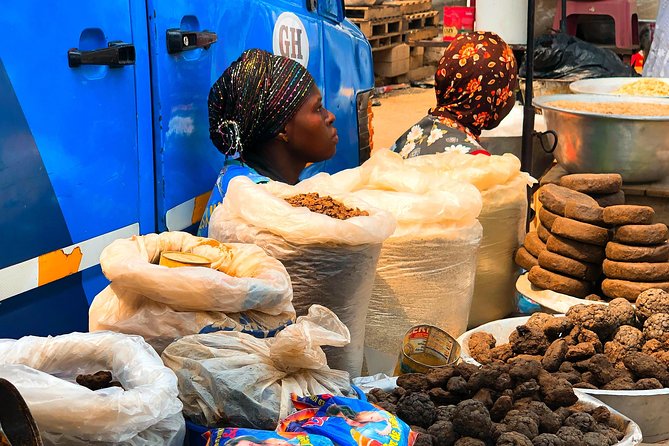
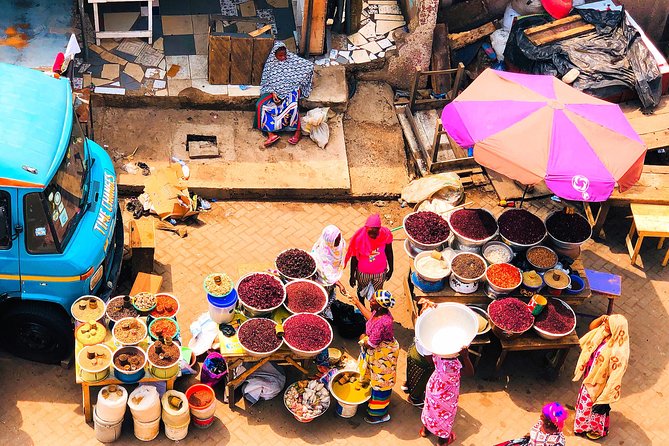
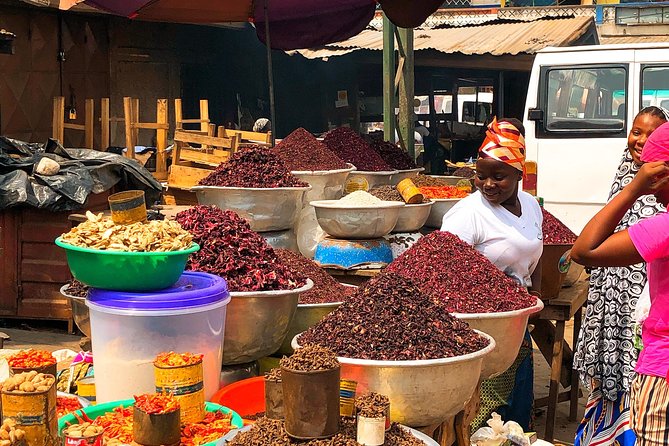
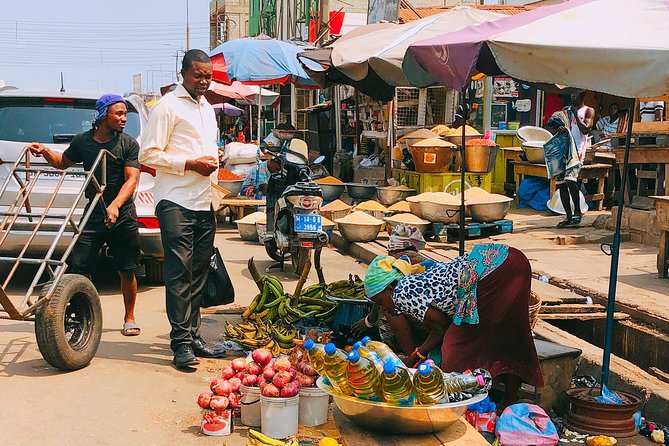
The market is the heart of the experience. You can expect to move through a place where people are buying and selling local food, spices, and everyday supplies while the guide explains what you are seeing.
I like the chance to purchase something rather than only look. A small food item or spice can become a practical reminder of the walk, and buying from the market gives you a more natural reason to interact with the sellers.
The information provided specifically encourages conversation with local women at the market. That detail matters because the market is not just a line of stalls. It is a place where work, family responsibilities, and trade meet. One account of the tour describes seeing women working hard with babies on their backs, a detail that brings the realities of childcare and employment into sharp view.
You should expect plenty of movement and noise. The description makes clear that Nima is always active, with people constantly going about their business. That energy can be exciting, but it may also feel intense if you prefer quiet walks or carefully arranged stops.
The market is also a better place to keep your attention on the guide and your belongings. The tour does not provide specific security instructions, so use normal city awareness and avoid blocking sellers or shoppers while taking photographs.
Food, spices, and the value of looking closely
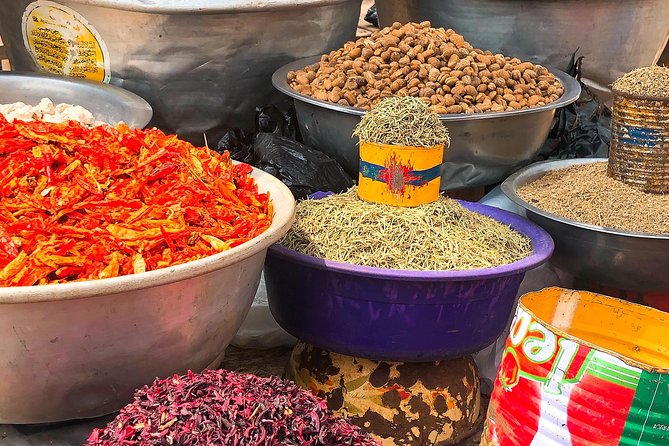
The food and spice stalls give the walk a strong sensory side without needing a formal cooking class. You might find ingredients you recognize in unfamiliar forms, along with local products you have not seen before.
Because the tour is short, do not expect an exhaustive lesson in Ghanaian cuisine. The value lies in seeing how ingredients are sold and used within an active neighborhood market. Your guide can help connect the products to local eating habits and the stories of the people who trade there.
If you want to buy food or spices, carry a little spending money. The tour price does not say that purchases are included, so treat anything you buy as an extra personal expense. I would also avoid buying more than you can comfortably carry for the rest of your day.
The market visit works best for people who enjoy asking questions. You can ask what a spice is used for, where a seller came from, or how long a family has been connected with the area. Since the tour is private, you have a better chance to pause for those questions instead of being moved along with a large group.
A completely different sort of day out of Accra:
- From Accra: Cape Coast, Elmina Castle & Kakum Park Day Tour
★ 4.6 · 144 reviews - Accra Detailed City Tour
★ 4.5 · 118 reviews - Accra Guided City Tour Experience
★ 4.7 · 88 reviews - Accra Guided City Tour Experience
★ 5.0 · 76 reviews
Local homes and stories of migration
The walk includes visits to local houses, along with stories about how some residents migrated to Nima. This is the part that gives the tour more meaning than a market stop alone.
A market can show you what people sell. A home visit and a migration story can show you how people have settled, adapted, and formed a community. The focus on people from every tribe in Ghana also gives the tour a national angle. You are learning about Nima as a meeting point, not only as a neighborhood within Accra.
At the same time, home visits require care. I would never assume that a private residence is an open photo opportunity. Ask before taking pictures, listen when residents speak, and remember that the people you meet are not part of a staged display.
The tour’s information does not specify how many homes you visit or how long you stay at each one. That uncertainty is worth noting. The experience will depend partly on the route, the guide, and the conversations available that morning.
For me, that makes the tour feel more human but also less predictable. If you want a tightly timed list of monuments, this is not the right choice. If you want personal stories and a look at how a neighborhood functions, the open-ended quality can be a strength.
Guide Hassan and the importance of the private format
The guide can make or break a neighborhood walk. A published five-star account gives special praise to Hassan, describing the tour as a real experience and crediting the guide as an important part of the visit.
That is useful information because Nima cannot be understood through a quick route alone. You need someone who can explain what you are seeing, introduce the neighborhood with respect, and help conversations happen without turning people into a show.
The private format supports that. Only your group participates, so you can ask Hassan or another assigned guide to explain a food, repeat a story, or give you more context about migration. You are not tied to the interests of a large group.
A private tour also lets you manage your comfort level. You can spend more time at the market if that is what interests you, or move on after you have understood a particular section. The exact flexibility is not stated as a formal promise, so I would confirm any special requests when booking.
The price is $135 per person. That is not a budget market walk, especially for a two to three-hour experience. But it includes a private guide, round-trip hotel transfers, and a neighborhood visit that would be difficult to organize with the same local context on your own.
The value is strongest for a small group that wants direct explanation and easy transport. If you are traveling alone and mainly want to browse a market, the cost may feel high. If two or more people are sharing the private experience, the added comfort and personal attention can make the price easier to justify.
Group discounts are offered, though the amount is not given. Check the final price for your party before booking rather than assuming the discount will apply automatically.
Who should choose this Nima walk
I would recommend this experience to you if you want to see how people live and work in Accra beyond major attractions. It suits curious visitors who enjoy markets, conversations, food, and social history more than polished sightseeing.
It is also a good match if you value a guide’s local explanation. The stories about migration and the mix of Ghanaian tribes give the walk a human focus that a self-guided visit might not provide.
You should be comfortable walking through a crowded neighborhood and seeing conditions that may be difficult. This is not an attraction designed to make you feel removed from ordinary hardship. The honest appeal is that it brings you close to real working life.
The activity says most people can participate, but it does not give detailed information about walking surfaces, seating, or facilities. If you have mobility concerns, ask the provider for current route details before booking.
I would not choose this as your only introduction to Accra. It is a focused neighborhood experience, not a complete city tour. Pair it with other parts of Accra if you want museums, major landmarks, coastal history, or a wider look at Ghanaian culture.
Practical planning for the morning
Wear clothing suited to a two to three-hour walk and choose comfortable shoes. The information does not specify a dress code, but respectful, practical clothing is the sensible choice for a visit to homes and a working market.
Bring water and some money if you would like to buy local food or spices. Purchases are not listed as part of the $135 price.
Keep your phone charged because the ticket is mobile. A small bag is easier to manage than bulky luggage in a crowded market, and it leaves your hands free when looking at products or greeting sellers.
The tour requires good weather. If poor weather causes a cancellation, you will be offered another date or a full refund. You can cancel for a full refund if you do so at least 24 hours before the local start time. Cancellations or changes made within 24 hours are not refunded or accepted.
Should you book the Nima Experience?
Book it if you want a private, guided look at Accra through one neighborhood’s markets, homes, work, and migration stories. The included pickup, private group size, and praise for guide Hassan all strengthen the experience, especially for a small group that wants personal attention.
Skip it if you want a cheap market visit, a landmark tour, or a carefully controlled sightseeing route. At $135 per person, the cost asks you to value the guide, transport, and human context rather than simply the number of stops.
My advice is to book with an open mind and respectful expectations. Nima is not a backdrop, and the best part of the morning may be a conversation or small detail that does not appear on a standard sightseeing schedule.
FAQ
Where does the Nima Experience take place?
The experience takes place in Nima, a neighborhood of Accra, Ghana. The walk includes Nima Market, local homes, and nearby parts of the community.
How much does the tour cost?
The listed price is $135 per person. Group discounts are offered, but the discount amount is not specified.
How long does the experience last?
The experience lasts approximately two to three hours. The market portion is listed as about two hours.
What time does the tour start?
The scheduled start time is 8:00 am.
Is hotel pickup included?
Yes. Round-trip transfers from your Accra hotel are included.
Is this a private tour?
Yes. Only your group participates in the activity.
What will I see during the tour?
You will visit Nima Market, see local foods and spices, visit local houses, and hear stories about how some residents migrated to the area.
Can I buy local food or spices?
Yes. The market offers local food and different spices for purchase. The cost of anything you buy is not included in the tour price.
What happens if the weather is poor?
The experience requires good weather. If it is canceled because of poor weather, you will be offered a different date or a full refund.
Just added around Accra
- Experience Cape Coast Castle and Kakum National Park★ 4.5 · 3 reviews
- Experience Northern Ghana In 10-Days★ 5.0 · 3 reviews
- Discover Ghana – Wli Waterfalls, Mountain Afadjato, Monkey Sanctuary & Akosombo.★ 4.5 · 3 reviews
- Cultural Tour Of Ghana And South Africa 12 Days★ 5.0 · 3 reviews
- Accra: City Highlights Half-day Guided Tour with Transfers★ 4.1 · 3 reviews
- Accra: Half day private safari with pick up★ 3.5 · 3 reviews
- Full Day Accra Guided Tour★ 5.0 · 3 reviews
- Experience Aburi Botanical Gardens And Boti Water Falls In A Day.★ 5.0 · 3 reviews