Reviewed · PRIVATE
15-Day Ghana Wildlife Private Tour
Pangolins, forest elephants, and night walks await. I like the way this private Ghana wildlife tour links coastal wetlands, Upper Guinea rainforest, woodland, and northern savannah in one long trip. I also like the strong local guiding team and the chance to support a community forest protecting pangolins. The main consideration is pace: repeated early starts, long road journeys, night walks, and difficult rainforest sightings demand patience and stamina.
This is not a quick safari built around guaranteed big-animal sightings. It is a specialist wildlife trip, with time set aside for bats, rodents, primates, duikers, galagos, pangolins, and other animals that often stay out of sight. The price is high at $4,995 per person, but the 15-day private format, accommodation, meals, vehicle, fuel, guides, and internal logistics give it a clear value for serious mammal watchers.
In This Review
- Key points at a glance
- What this Ghana wildlife trip is really about
- Arrival near Accra and the first look at Shai Hills
- Kakum National Park: five days of patient forest watching
- Brenu Akyinim adds beach and open-country habitat
- Ankasa Conservation Area: remote rainforest and comfortable camp
- New Edubiase turns wildlife watching into conservation work
- Mole National Park brings the big mammals
- The long return to Accra is handled sensibly
- What the $4,995 price includes
- Guides, communication, and the private-tour advantage
- Who should book this tour?
- Should you book the 15-Day Ghana Wildlife Private Tour?
- FAQ
- How long is the Ghana wildlife tour?
- Where does the tour begin?
- Is this a private tour?
- What is the price per person?
- Are meals included?
- Are international flights included?
- Is accommodation included?
- What is not included in the price?
Key points at a glance
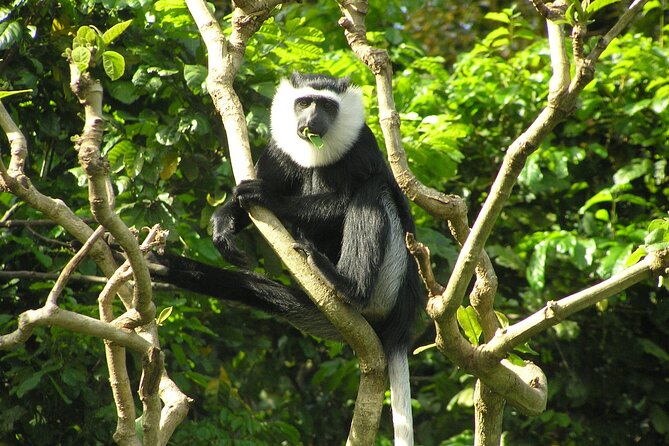
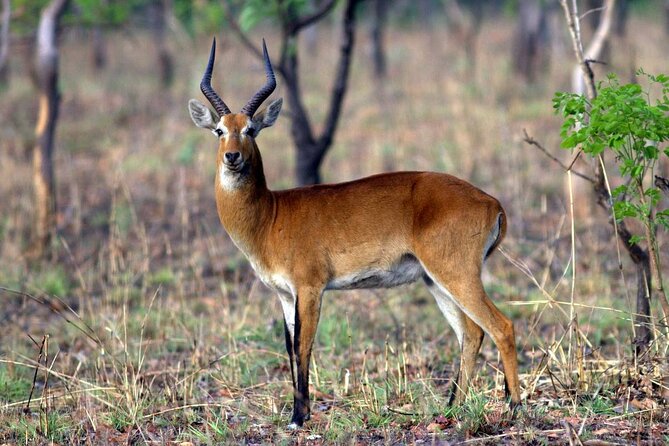
- Egyptian Tomb Bats at Shai Hills: Begin with unusual cave wildlife, plus baboons, kob, bushbuck, and duikers in open savannah.
- Five days around Kakum: Use the famous canopy walkway by day, then return for night walks aimed at pangolins, galagos, civets, bats, and forest rodents.
- Ankasa’s pristine rainforest: Camp inside Ghana’s only pristine wet evergreen Upper Guinea rainforest, with 4×4 access and waterhole watching.
- A community-led pangolin search: Spend two nights near New Edubiase, where local people help protect forest from hunting and logging.
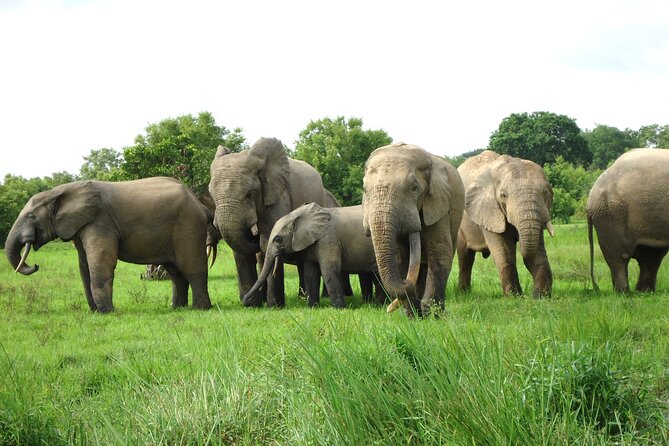
- Four nights at Mole National Park: Finish with elephants, buffalo, antelopes, warthogs, monkeys, and nocturnal mammals across Ghana’s largest national park.
- Private touring with named local leaders: Guides such as Philip Senyo, Foster, and Jackson have handled Ghana nature trips, with Philip especially praised for bird and butterfly knowledge and finding pangolins.
What this Ghana wildlife trip is really about
Ghana gives you a useful cross-section of West African habitats. You begin near Accra in coastal savannah and woodland, move into rainforest around Kakum and Ankasa, then head north through drier Guinea woodland to the open savannah of Mole National Park.
That variety is the chief reason to choose this tour. You are not spending two weeks in one reserve hoping for the same few animals. Instead, the itinerary gives you several chances to see mammals adapted to very different conditions.
The focus is unusual by standard safari standards. African elephants and buffalo appear at Mole, but much of the trip is aimed at animals you may never see on a conventional game drive. Egyptian Tomb Bats, hammer bats, pangolins, anomalures, cusimanses, galagos, potto, forest squirrels, and dwarf crocodiles all feature in the search.
You should also set your expectations properly. Dense rainforest makes animal watching difficult. The guides may know where a species has been seen, but that does not mean the animal will appear on schedule. A pangolin can remain invisible in excellent habitat, and a bongo may leave only tracks near a waterhole.
That uncertainty is part of the appeal, but it also explains why this tour suits a patient naturalist more than someone who wants a checklist of large mammals every morning.
More wildlife trips in Accra:
- Private Multi-Day Ghana Tour about Culture History and Wildlife – 7 Days
★ 5.0 · 8 reviews - 9 Day Ghana Wildlife and Culture Tour
★ 5.0 · 5 reviews - 5 Days Adventurous Wildlife Safari
★ 4.5 · 49 reviews
Arrival near Accra and the first look at Shai Hills
Your guide meets you at Kotoka International Airport and takes you to accommodation near Shai Hills Reserve. The drive can take about an hour, depending on traffic, and the guides provide a briefing after check-in.
This is a sensible first night. You avoid starting with a long transfer and reach a reserve that offers a gentler introduction to Ghana’s wildlife. Shai Hills combines savannah, grassland, woodland, caves, and traditional shrines connected with the Shai people, who moved into the area while escaping slave raiders.
The first full day begins early. The main target is the Egyptian Tomb Bat, an uncommon species found in the cave network. Other bats may occur, and your guide will also search for Olive Baboons, Red-fronted Duikers, Kob, Bushbuck, rodents, and other mammals.
I like this opening because it starts with a specific wildlife goal rather than a generic game drive. You also get a small cultural link through the traditional shrines. The limitation is time: Shai Hills receives only a morning before lunch and the journey toward Kakum.
Kakum National Park: five days of patient forest watching
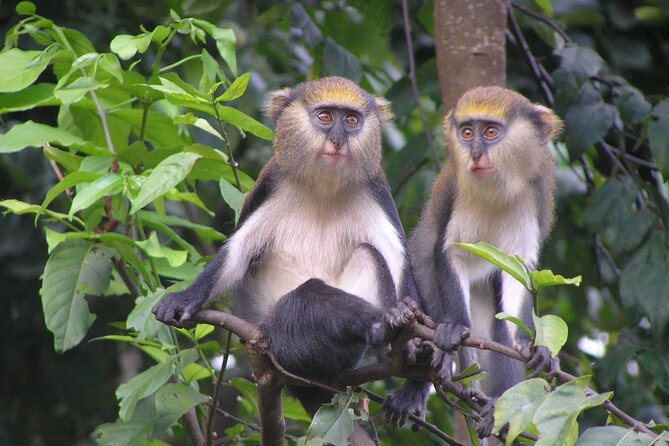
Kakum receives the largest block of time on the southern part of the trip. That makes sense. The park protects about 360 square kilometers of secondary Upper Guinea tropical rainforest, and forest animals need repeated visits and several viewing methods.
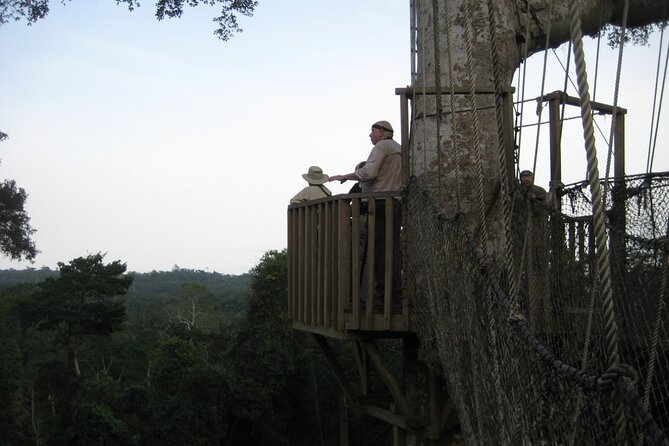
The famous canopy walkway is the headline attraction. It rises about 40 meters above the forest floor, with platforms large enough for telescopes. Reaching it near first light gives you the best chance of catching movement before the heat of the day slows many animals down.
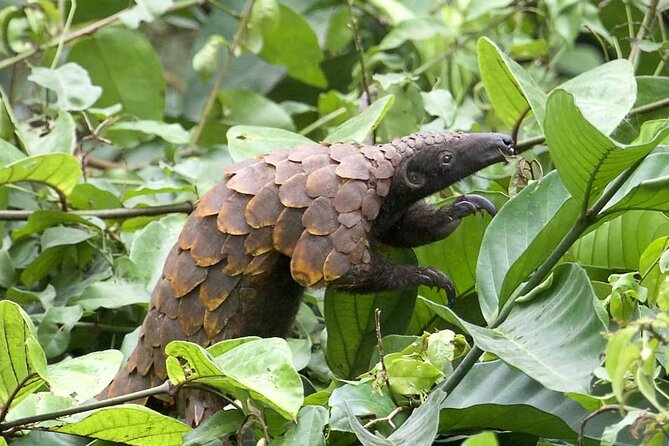
From above, you may look for forest squirrels, including African Giant Forest, Gambian, and Red-legged Squirrels. Long-tailed Pangolin is a major target, and the tour has recorded several sightings. That should excite specialist mammal watchers, but it should not be treated as a promise.
Kakum also receives evening visits. Possible targets include Olive Colobus, Lowe’s Mona, Geoffrey’s Pied Colobus, and Lesser Spot-nosed Monkeys. Long-tailed and Tree Pangolins may appear, as may Lord Derby’s and Pel’s Anomalures, unusual gliding rodents often called flying squirrels in casual conversation.
The schedule includes a break during the hottest part of the afternoon, followed by more forest time. This is practical rather than glamorous. You need rest if you are walking for hours after dark and rising before dawn the next morning.
Night walks are central here. Spotlights may reveal Pottos, Demidoff’s Galagos, bush babies, Tree Hyraxes, Giant Pouched Rats, Common Cusimanses, Royal Antelopes, Maxwell’s Duikers, civets, and bats. The list is long, but the forest is not an open zoo. Your reward may be a clear sighting, a pair of eyes in the beam, a call, or fresh tracks.
Nocturnal birds add another layer. Akun and Fraser’s Eagle-Owls are among the possible sightings. Even if birds are not your main interest, the guides can keep an eye out for them while working the mammal targets.
The drawback is repetition. Five days in and around one forest may feel too slow if you prefer constant movement. For a mammal specialist, though, this is exactly the point. More time means more night walks, more habitat checks, and a better chance of luck.
Brenu Akyinim adds beach and open-country habitat
On Day 6, you leave Kakum and travel west toward Ankasa, with a morning stop along the Brenu Akyinim beach road near Elmina.
This short visit changes the rhythm. You are looking for Slender Mongooses, Ground-striped Squirrels, and other rodents, while birdlife can be good along the route. There is also time for a walk to one of Ghana’s better beaches.
Do not expect this to be a full beach holiday. The value is habitat variety and a chance to stretch your legs during a transfer day. After lunch, you continue toward Ankasa in Ghana’s Western Region.
A few more Accra trips worth weighing up
- Private Car Service
★ 5.0 · 59 reviews - Private Aburi Hill Guided Tour
★ 5.0 · 34 reviews - Full-Day Accra Safari and Boat Cruise Private Tour
★ 5.0 · 32 reviews - The Agbogbloshie (Accra E-waste and Recycling experience) Private Tour
★ 5.0 · 31 reviews
Ankasa Conservation Area: remote rainforest and comfortable camp
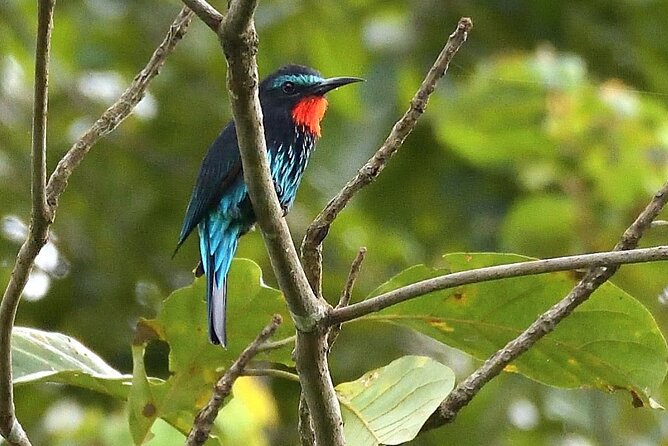
Ankasa and adjoining Nini Suhien National Park protect more than 509 square kilometers of continuous forest. This is described as Ghana’s only pristine wet evergreen Upper Guinea rainforest, and it is one of the most important stops for people who want intact forest rather than a short park visit.
The remote camp has showers, flushing toilets, and electricity. That matters. After night walks and humid forest excursions, basic comforts can make the difference between enjoying the next morning and merely enduring it.
You arrive in the late afternoon and take an evening walk. Possible sightings include Demidoff’s Galago, Common Cusimanse, African Palm Civet, and several other nocturnal mammals.
The next two days use a demanding but sensible pattern: before-first-light walks, late-afternoon outings, and night walks with spotlights. Waterholes become important observation points. Bongo are rare, but tracks have been seen, and the same waterholes can attract Red River Hogs.
Ankasa is also a strong location for bats. The Hammer Bat is the most spectacular named target, while many rodents and both Pel’s and Lord Derby’s Anomalures may be found. The rare Dwarf Crocodile is described as a regular presence at the waterholes.
You are not left to deal with the forest on foot alone. 4×4 Land Rovers and drivers are based at the camp, allowing the team to reach deeper areas that are hard to access. This improves the practical value of the stop, especially when the goal is to cover several sites during early and late wildlife periods.
The tradeoff is remoteness. You should expect a work-focused camp rather than a resort, and the forest can be wet, dark, and tiring. Still, Ankasa may be the strongest part of the trip for anyone who values habitat quality and rare West African mammals.
New Edubiase turns wildlife watching into conservation work
After Ankasa, you travel to the Ashanti Region and a remote community near New Edubiase. The forest here is smaller, but it has a special purpose: local people are protecting it from illegal hunting and logging.
The main goal is pangolin. These endangered animals are among the most illegally trafficked mammals in the world, and the local conservation connection gives the search more meaning than simply adding a species to a list.
You arrive by late afternoon, settle in, and take a night walk. The following day is dedicated to the forest, with local people assisting the guides if a pangolin is still needed. Butterflies are especially abundant, with several hundred species recorded in the area.
Your final evening here is spent with the community. That provides a more grounded experience than moving only between lodges and reserves. You get a sense of how wildlife protection depends on local support, not just park boundaries.
This stop is also a reminder that sightings are not the only measure of value. You may see a pangolin, or you may not. Either way, your visit helps connect tourism with a small forest protection effort.
Mole National Park brings the big mammals
Day 11 is mainly a travel day. You head north through changing vegetation, stopping for lunch in Kintampo before reaching Mole National Park.
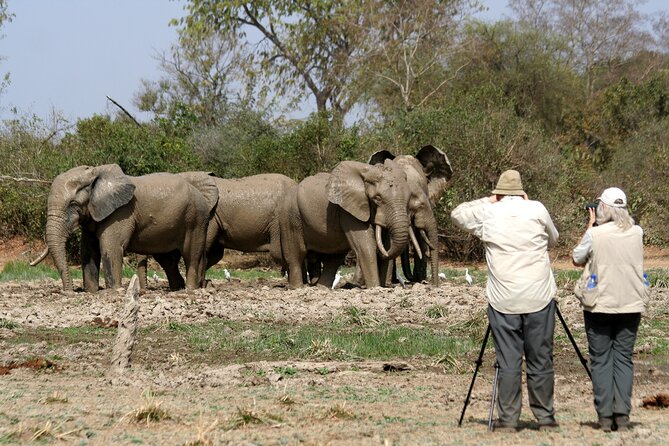
Mole covers about 4,847 square kilometers and protects almost 100 mammal species and more than 330 bird species. Your accommodation sits on a 250-meter-high escarpment overlooking the park, and the view is a welcome change after the close, shadowy rainforest.
One of Mole’s pleasures is that wildlife can be visible around the lodge area. You may sit by the pool and watch African Elephants bathing in the distance. That does not replace time in the park, but it makes the base feel connected to the wildlife rather than sealed off from it.
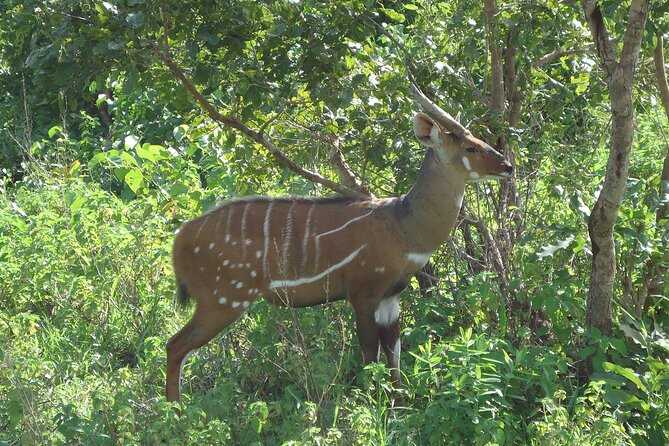
You spend three full days and nights exploring by vehicle and on foot. Daytime targets include Elephants, Kob, Bushbuck, Waterbuck, Hartebeest, Roan Antelope, Warthog, Buffalo, Olive Baboons, Patas Monkeys, and Yellow-winged Bats.
Mole provides the best chance on this itinerary for recognizable African safari animals. The setting is more open, so sightings can be easier than in Kakum or Ankasa. Still, conditions vary, and the tour is not marketed as a guaranteed big-five experience.
Evenings return to the search for smaller and more elusive species. Spotlighting may produce Hedgehogs, Galagos, Mongooses, Civets, Genets, Duikers, Hares, Aardvarks, Porcupines, rodents, and bats.
This mix is what makes the four nights worthwhile. You get daytime game viewing, walking, and nocturnal work instead of a string of identical drives. Mole is likely to be the most satisfying stop for anyone who wants both large mammals and a chance at unusual night species.
The long return to Accra is handled sensibly
After four nights around Mole, you have a relaxed breakfast and travel to Tamale, the Northern Region capital. From there, an internal flight south to Accra saves nearly two full days of road travel.
That flight is an important practical choice. Ghana is a large country for a 15-day wildlife itinerary, and returning entirely by road would take valuable time from the reserves.
In Accra, you have an early evening meal at a local restaurant near the airport and complete a final checklist before the airport transfer. The tour ends with a goodbye from the Ashanti team.
What the $4,995 price includes
At $4,995 per person, this is a serious investment. The value comes from the length and the specialist logistics rather than from luxury alone.
Included are accommodation, an air-conditioned vehicle, an experienced driver, an expert local guide available throughout the tour, airport transfers, excursion fees, unlimited mileage and fuel, mineral water, insurance, and most meals. The listed meal plan includes 13 breakfasts, 13 lunches, and 14 dinners.
You also have 24/7 office support. That is useful on a private trip crossing several regions, using remote camps, and combining road travel with an internal flight.
International flights, drinks, alcoholic beverages, and the visa are not included. The visa process can involve both electronic and traditional paperwork, so you should check the current requirements early rather than leaving it until the last minute.
Private touring is another part of the value. Only your group participates, allowing the guide to adjust the pace and focus on the species you still need. Group discounts may also be available, though the supplied details do not state the discount amount.
Guides, communication, and the private-tour advantage
The guiding is one of the strongest reasons to consider this trip. Philip Senyo has been praised for finding and identifying birds, butterflies, and mammals, including helping organize a pangolin search. Foster and Jackson have also been singled out for strong guiding, safe and comfortable touring, and good organization.
One caution is communication. Philip is described as soft-spoken, with a heavy accent, and one nature-tour participant found it difficult to understand exactly where he was pointing. That does not erase his field ability, but it is worth knowing if precise explanations and rapid spotting instructions matter greatly to you.
A private group can help here. You can ask the guide to repeat directions, explain tracks, or slow down during a spotlighting session. The driver is also important on this route, and the service history points to safe driving and smooth arrangements.
Who should book this tour?
I would choose this trip if you care more about unusual species and habitat coverage than polished safari routine. It is especially suited to mammal watchers, serious birders, wildlife photographers who accept difficult conditions, and people who enjoy night walks and patient searching.
You should be comfortable with early breakfasts, long transfers, repeated walks, humid rainforest, remote accommodation, and the possibility of coming away without seeing a headline species. The trip is private, but private does not mean effortless.
I would be more cautious if you want a relaxed holiday, guaranteed elephant sightings every day, or a short list of major tourist sights. Accra receives little sightseeing time, and the itinerary is built around wildlife rather than Ghana’s cities, beaches, or historic attractions.
The cancellation terms are fairly strict close to departure. You can receive a full refund if you cancel at least three full days before the start time. Poor weather or failure to meet the minimum number of participants can lead to a date change, another experience, or a full refund.
Should you book the 15-Day Ghana Wildlife Private Tour?
Book it if the words pangolin, Hammer Bat, anomalure, galago, dwarf crocodile, and Upper Guinea rainforest sound more exciting to you than a standard safari checklist.
The strongest plan is to treat Kakum and Ankasa as the specialist core, New Edubiase as the conservation-focused stop, and Mole as the place for larger mammals and broader views. The trip asks for time, patience, and a tolerance for uncertainty, but it gives you a rare chance to explore Ghana from coastal savannah to Sahel-edge country with local guides who know where the difficult animals may be found.
FAQ
How long is the Ghana wildlife tour?
The tour lasts approximately 15 days, beginning and ending in Accra.
Where does the tour begin?
Your guide meets you at Kotoka International Airport in Accra after customs. Airport transfers are included.
Is this a private tour?
Yes. Only your group participates in the activity.
What is the price per person?
The listed price is $4,995 per person. Group discounts are offered, but the discount amount is not specified.
Are meals included?
Yes. The package includes breakfast, lunch, and dinner. The listed total is 13 breakfasts, 13 lunches, and 14 dinners.
Are international flights included?
No. International flights are not included. The itinerary does include a planned internal flight from Tamale to Accra, but the supplied details do not specify its separate cost.
Is accommodation included?
Yes. Accommodation is included, including the remote camp at Ankasa, which has showers, flushing toilets, and electricity.
What is not included in the price?
International flights, soft drinks, alcoholic drinks, and the visa are not included.
Just added around Accra
- Experience Cape Coast Castle and Kakum National Park★ 4.5 · 3 reviews
- Experience Northern Ghana In 10-Days★ 5.0 · 3 reviews
- Discover Ghana – Wli Waterfalls, Mountain Afadjato, Monkey Sanctuary & Akosombo.★ 4.5 · 3 reviews
- Cultural Tour Of Ghana And South Africa 12 Days★ 5.0 · 3 reviews
- Accra: City Highlights Half-day Guided Tour with Transfers★ 4.1 · 3 reviews
- Accra: Half day private safari with pick up★ 3.5 · 3 reviews
- Full Day Accra Guided Tour★ 5.0 · 3 reviews
- Experience Aburi Botanical Gardens And Boti Water Falls In A Day.★ 5.0 · 3 reviews
Private, compared.
Full-Day Accra Safari and Boat Cruise Private Tour
Read our review →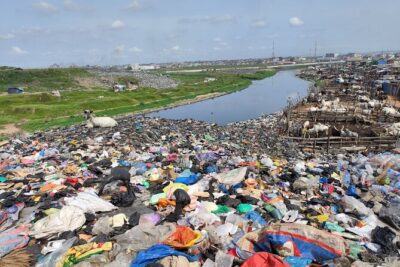
The Agbogbloshie (Accra E-waste and Recycling experience) Private Tour
Read our review →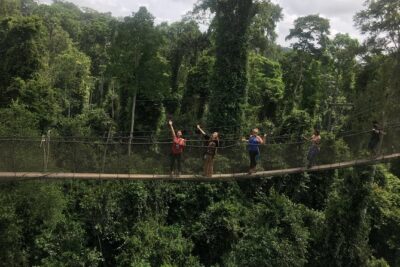
Cape Coast/Elmina Slave Dungeon and Canopy Walkway Private Tour
Read our review →
Full-Day Private Culture and History Tour of Accra
Read our review →
Ghana Private Historic Tour through Castles and Nature
Read our review →
7-Day Private Cultural and Heritage Tour in Ghana
Read our review →