
Reviewed · HISTORICAL TOURS
6 day Culture & History Tour in Ghana
Ghana rewards curious visitors. This six-day private tour links Accra, the Volta River, Kumasi, Elmina, and Kakum National Park in one well-planned route. I like the private vehicle and guide, which give you room to set the pace, and I like that accommodation, taxes, and entrance fees are included. The main trade-off is a packed schedule, with two driving-heavy days lasting about 10 to 12 hours.
The strongest praise centers on guide Emmanuel, who is described as punctual, careful, patient, and helpful with trip planning. Air conditioning matters here, too. You will spend long stretches on the road, so a comfortable vehicle makes the journey much easier. Still, meals and drinks are extra, and some visits, such as the walk down to Akaa Falls, require real physical effort.
In This Review
- Key points at a glance
- Why this Ghana route works
- Day 1: Arriving in Accra and settling in
- Day 2: Aburi, glass beads, and the Volta River
- Day 3: Akaa Falls and Ashanti craft villages
- Day 4: Manhyia Palace, museums, and Kejetia Market
- Day 5: The Slave Route and Elmina Castle
- Day 6: Kakum’s canopy walkway and the return to Accra
- Private transport and the guide
- What the $1,852.57 price includes
- Who should book this tour?
- Booking and cancellation tips
- Should you book it?
- FAQ
- How long is the Ghana culture and history tour?
- Where does the tour begin?
- Where does the tour end?
- Is this a private tour?
- Is transportation included?
- Is accommodation included?
- Are entrance fees and taxes included?
- Are meals and drinks included?
- How many steps are there at Akaa Falls?
- When can I cancel for a full refund?
Key points at a glance

- Six major Ghanaian regions of experience: Accra markets, Volta River scenery, Ashanti crafts, cocoa farming, the former slave-trade sites, and rainforest wildlife.
- A private tour for your group only: You do not wait for strangers or adjust to a large coach schedule.
- Akaa Falls includes 250 concrete steps: The waterfall visit is scenic but not a casual roadside stop.
- Elmina Castle brings difficult history into focus: The castle, Slave River, and nearby forts make this more than a sightseeing day.
- Accommodation is included: You stay in mid-range hotels in Accra and Kumasi, plus resorts by the Volta River and coast.
- The price is $1,852.57 per person: That is a substantial sum, but it covers transport, lodging, taxes, and admission charges for six days.
Why this Ghana route works
Ghana is not a country you can properly understand from one city. Accra gives you the modern capital and its markets. Kumasi introduces the Ashanti world and traditional craft. The coast brings the painful history of the Atlantic slave trade into view. Kakum adds a forest experience, while the Volta River provides a quieter change of pace.
I like the way this route combines famous sights with working traditions. You are not only looking at old buildings. You may watch kente being woven, see Adinkra cloth stamped, visit a cocoa farm, and stop at a village known for wood carving. Those visits help connect Ghana’s cultural identity to everyday skills and local production.
The route also has a sensible geographic rhythm, though not a relaxed one. You begin in Accra, move east to the Volta River, continue west toward Kumasi, then head south to the coast before returning to Accra. The long transfers are the price of seeing several parts of the country in six days.
More history tours in Accra:
- Experience the Beauty, History and the Culture Of Accra in a Day
★ 5.0 · 323 reviews - Ghana Heritage Tours – Beyond The Return
★ 5.0 · 36 reviews - 10 Days Ghana Cultural and Heritage Trip
★ 5.0 · 31 reviews
Day 1: Arriving in Accra and settling in
Your guide meets you at Kotoka International Airport during a morning arrival. The first transfer is in an air-conditioned vehicle, with about an hour listed for the airport stop and hotel arrival.
That airport pickup is useful, especially on a first visit. One past guest described feeling nervous about being collected at the airport and praised the service for making the arrival feel safe and organized. Emmanuel also helped one traveler with visa concerns, which suggests that communication before arrival can be part of the support.
You stay at a mid-range hotel in Osu, a useful base for an initial look at Accra. Depending on your arrival time, the day includes time to refresh, relax, and receive an orientation around the neighborhood or city. Do not expect a full sightseeing day here. The schedule sensibly leaves room after an international flight, but the amount of city exploration depends on your arrival hour.
I would use this first evening to ask your guide about the next day’s timing and confirm what you need for the longer drives. The tour includes the vehicle and accommodation, but not meals or drinks, so you should also clarify where food stops fit into the schedule.
Day 2: Aburi, glass beads, and the Volta River
Day two moves into the Akwapim highlands, beginning with Aburi Botanical Gardens and the Aburi carvers market. The gardens offer a greener, slower opening after your time in the capital. The market adds a chance to see local woodwork and shop for handmade pieces.
The next stop is a traditional glass bead workshop near the Volta River. This is the sort of visit I value on a culture tour because you can see the process behind a craft instead of simply finding finished objects in a shop. Ask questions about how the beads are made and take time to look closely at the designs.
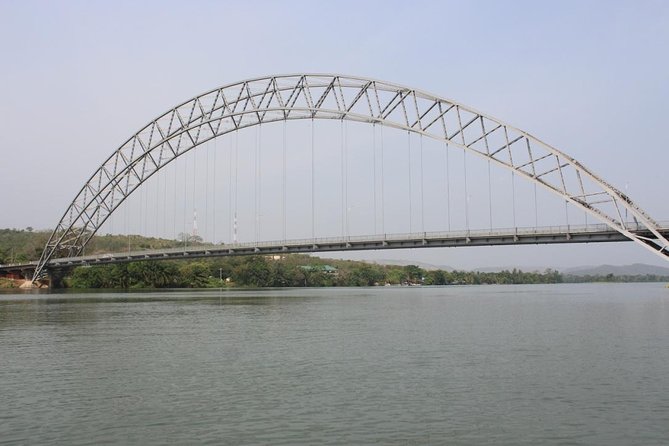
A motorboat ride on the Volta River continues the day toward the Akosombo Dam and Volta Lake. The water gives you a welcome break from road travel, and the boat adds a different view of the region. The stop is not just a photo pause: it helps show the scale of the river system and the role of the dam.
The day lasts about eight hours and ends at a resort on the Volta River. I like this overnight location because it breaks up the route before the long move toward Kumasi. The main limitation is that the schedule includes several different stops, so time at each place may be limited. If the gardens or bead workshop matter most to you, tell your guide early so you can understand how much time is available.
Day 3: Akaa Falls and Ashanti craft villages
Day three is the most demanding road day, listed at about 12 hours. The reward is a broad look at the Ashanti region, beginning with a scenic drive to seasonal Akaa Falls.
The waterfall requires walking down 250 concrete steps to reach the bottom. That detail matters. This is not a quick viewpoint beside the vehicle, and the return climb will take effort. If you have knee, balance, or mobility concerns, ask about the conditions before committing to the descent. Most people can participate in the tour, but the falls are the clearest part of the route where fitness affects enjoyment.
After Akaa Falls, the tour visits villages known for traditional Asante handcrafts. You see kente cloth weaving, Adinkra cloth stamping, and wood carving. These stops are valuable because they show three different forms of design and production in their working settings. Kente is known for its woven patterns, while Adinkra uses stamped symbols on cloth. Wood carving brings a third material and skill into the picture.
The day also includes a cocoa farm. Ghana’s cocoa industry is an important part of the country’s economy, and seeing a farm gives the crop a physical reality that a shop display cannot. The tour description does not promise a particular harvest activity, so think of this as a farm visit rather than a guaranteed chance to pick or process cocoa.
You sleep at a mid-range hotel in central Kumasi. After 12 hours on the move, the hotel’s location is practical, but you may have little energy left for evening plans. This is a day to pack light for the vehicle and carry water, since meals and drinks are not included.
A few more Accra trips worth weighing up
- Introducing Ghana, 6 Days
★ 5.0 · 7 reviews
Day 4: Manhyia Palace, museums, and Kejetia Market
Kumasi receives a fuller look on day four, which lasts about eight hours. The morning includes the National Cultural Center, described as one of Ghana’s best museums, followed by Manhyia Palace, the home of the Ashanti King, and the Komfo Anokye Sword.
These visits give the Ashanti section of the tour a historical and royal focus after the craft villages of the previous day. I like the progression: first you see how objects are made, then you visit institutions connected to Ashanti identity and leadership. The palace and museum also provide context for the traditions you encountered outside the city.
Kejetia Market is the day’s most energetic stop. It is described as West Africa’s largest outdoor market, so expect a very large trading area rather than a tidy row of souvenir stalls. You can shop here, but the market is also a place to watch daily commerce at full scale.
Keep your expectations practical. Large markets can be crowded and tiring, and you may need to stay alert with personal belongings. Since this is a private tour, your guide can help you move through the market and make the experience less confusing than going alone. You return to the same mid-range hotel in central Kumasi for a second night, which avoids another hotel change.
Day 5: The Slave Route and Elmina Castle
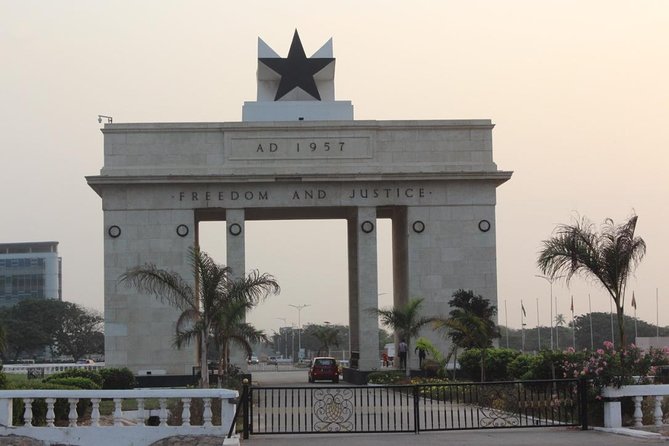
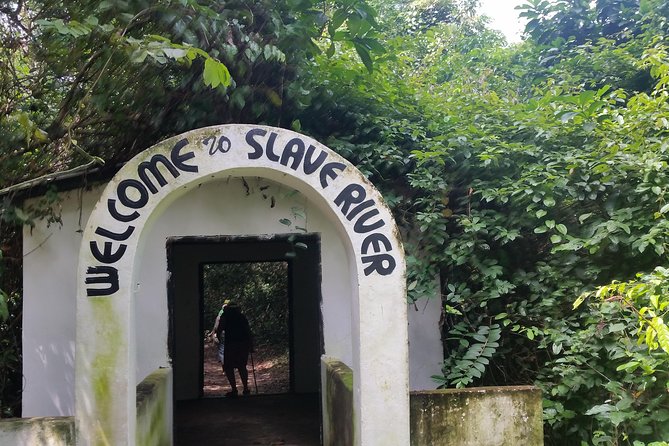
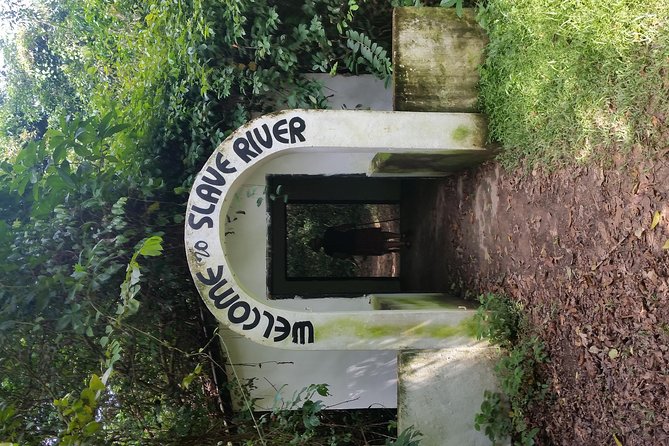
Day five is one of the tour’s most important and emotionally difficult days. You leave in the morning along the Slave Route, stopping first at the Slave River in Assin Manso.
This stop places the history of enslavement outside the better-known coastal fortresses. It can be easy to treat a historic castle as an isolated monument, but the river stop helps show that the forced movement of people involved a wider network of locations. Give yourself time to listen and reflect rather than treating the stop as another item to check off.
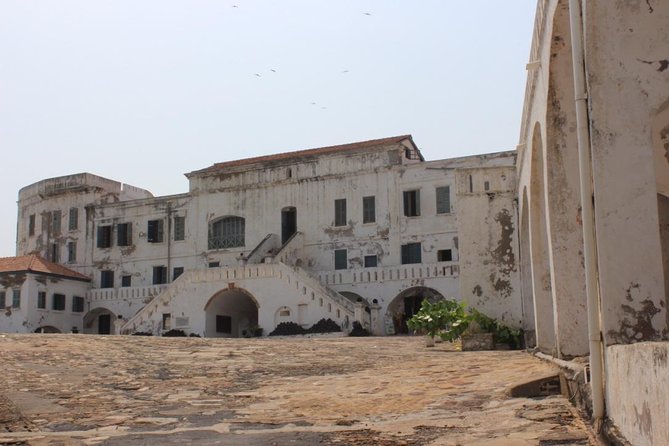
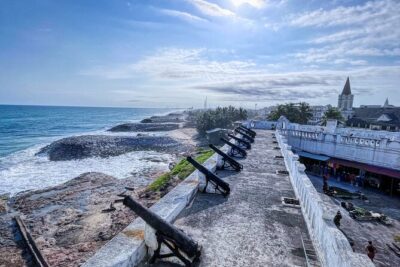
The route continues to Elmina Castle, described as the oldest European structure in Africa and a UNESCO World Heritage Site. The castle is a central reason to choose this tour. Its walls, rooms, and coastal position bring the Atlantic slave trade into direct focus, and the visit is likely to feel heavier than the craft and nature stops earlier in the week.
The afternoon moves into central Elmina, with visits to Posuban Shrines, Fort San Jago, and the fishing lagoon. These places broaden the day beyond the castle itself. The shrines and fort show different layers of local belief and European military presence, while the lagoon connects the town to its fishing life.
You spend the night at a mid-range beach resort. That change of setting is welcome after a serious day. It also places you closer to Kakum for the following morning, though the day itself lasts about 10 hours. I would avoid scheduling anything ambitious for the evening. The history deserves attention, and the road time can leave you tired.
Day 6: Kakum’s canopy walkway and the return to Accra
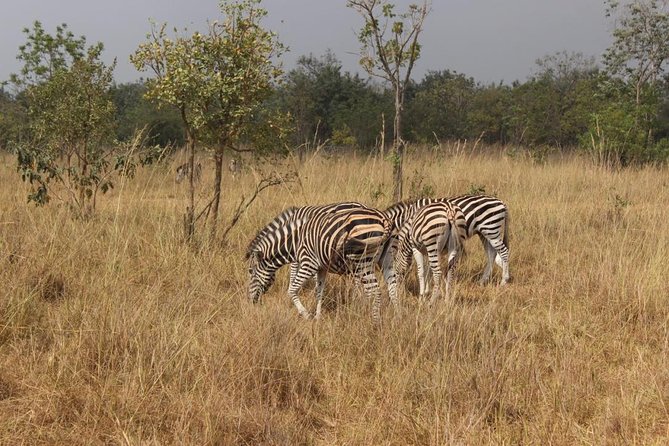
The final morning goes to Kakum National Park, home to West Africa’s highest rainforest canopy walkway according to the tour description. The walkway takes you high above the forest floor, offering a viewpoint that you cannot get from an ordinary trail.
This is a strong final day because it changes the mood completely after Elmina. You move from coastal history into forest scenery and wildlife. The canopy walkway may appeal most to you if you enjoy heights, though the tour information does not give details about its construction or exact length. Ask your guide about the walking conditions if height or uneven ground is a concern.
The day also includes crocodile ponds and a weaver bird community at Hans Botel. These stops add animal life without requiring a separate wildlife safari. The tour then returns to Accra, with drop-off at a location of your choice.
The day is listed at about 10 hours, so the return is not a short transfer. You should avoid booking a late international flight unless you have confirmed the timing directly. A flexible final evening in Accra is the safer plan.
Private transport and the guide
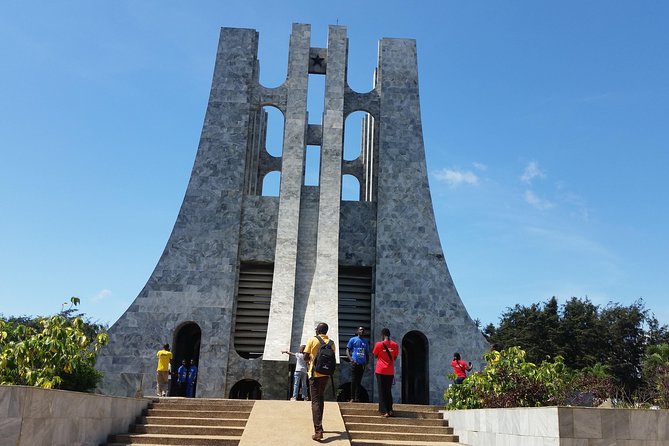
The private format is one of the tour’s best features. Your group travels with its own guide rather than joining a large coach, so you can ask questions without holding up a crowd. The guide can also help adjust the pace when a market visit, craft stop, or historic site needs more attention.
Emmanuel receives the strongest praise in the available feedback. He is described as punctual, often early, professional, patient, careful behind the wheel, and responsive by email. One group praised his air-conditioned van during a 10-day trip, while another highlighted his willingness to shape an itinerary around personal requests.
That does not guarantee every detail will be identical on your departure, but it gives you useful booking advice: communicate your priorities before arrival. Tell the company if you care most about photography, crafts, history, shopping, or a slower pace. The six-day plan covers a lot, and clear expectations will help.
Air conditioning is more than a comfort perk on this route. Day three can run for 12 hours, and days five and six for about 10 hours each. A private air-conditioned vehicle can make those transfers far more manageable.
What the $1,852.57 price includes
At $1,852.57 per person, this is not a budget tour. The value depends heavily on how many people share the booking and how much you value private transport.
The price includes:
- Air-conditioned vehicle
- Accommodation for the tour
- All fees and taxes
- Admission charges for the listed stops
Meals and drinks are not included. That omission is important because you need to budget separately for food across six days. The included accommodation covers five nights, with mid-range hotels in Osu and Kumasi, plus resorts by the Volta River and beach.
I see the price as reasonable for someone who wants a private, guided route with hotels and entry costs handled in advance. It is less attractive if you prefer public transport, independent planning, or a slower trip focused on one region. The private service, airport pickup, long-distance driving, and multi-region access account for much of the cost.
You should also ask what room arrangement applies to your group and confirm the exact hotel names before booking. The information identifies the hotel category and location, but not specific properties.
Who should book this tour?
I would recommend this experience to first-time visitors who want a broad introduction to Ghana without arranging every transfer themselves. It suits couples, families, and small groups who like having one guide throughout the trip.
It is also a good fit for people with specific cultural interests. The program includes Ashanti royal sites, craft villages, cocoa farming, glass beads, a major market, and several important historical locations. The private format is useful if you want to ask questions or adjust attention from one subject to another.
You should think twice if you want slow mornings and long stays in each town. The route covers a lot, and the driving days are substantial. Akaa Falls also calls for a 250-step descent, while Kakum’s canopy walkway may not appeal to anyone uncomfortable with height.
The tour works best when you accept that Ghana is being introduced in broad strokes. You will see many regions and themes, but you will not have several days in each place.
Booking and cancellation tips
Confirmation is provided at booking, pickup is offered, and a mobile ticket is available. The tour is near public transportation, although its main transport is the included private vehicle.
You can cancel for a full refund up to three full days before the experience begins. Cancellations made less than three full days ahead are not refunded, and changes inside that period are not accepted. The cut-off follows local Ghana time, so check the exact deadline before making a last-minute change.
Should you book it?
Book this tour if you want a well-rounded first visit to Ghana, private transport, and a guide who can handle a demanding route. The combination of Elmina Castle, Kakum, Kumasi’s Ashanti sites, cocoa, crafts, and the Volta River gives you an unusually wide look at the country in six days.
Skip it if your priority is low-cost travel, a relaxed pace, or long independent stays. The itinerary is full, meals cost extra, and the drives are real. For an active group that values convenience and cultural variety, the included lodging, entry fees, air-conditioned vehicle, and personal guide make the $1,852.57 price easier to justify.
FAQ
How long is the Ghana culture and history tour?
The tour lasts approximately six days.
Where does the tour begin?
The tour begins with pickup at Kotoka International Airport in Accra for a morning arrival.
Where does the tour end?
The tour returns to Accra on day six, with drop-off at a location of your choice.
Is this a private tour?
Yes. Only your group and the guide participate.
Is transportation included?
Yes. An air-conditioned vehicle is included for the tour.
Is accommodation included?
Yes. Accommodation is included for the duration of the tour.
Are entrance fees and taxes included?
Yes. All fees, taxes, and admission charges are included.
Are meals and drinks included?
No. Meals and drinks are not included in the price.
How many steps are there at Akaa Falls?
The walk to the bottom of Akaa Falls includes 250 concrete steps.
When can I cancel for a full refund?
You must cancel at least three full days before the experience start time for a full refund. Cancellations made less than three full days in advance are not refunded.
Just added around Accra
- Experience Cape Coast Castle and Kakum National Park★ 4.5 · 3 reviews
- Experience Northern Ghana In 10-Days★ 5.0 · 3 reviews
- Discover Ghana – Wli Waterfalls, Mountain Afadjato, Monkey Sanctuary & Akosombo.★ 4.5 · 3 reviews
- Cultural Tour Of Ghana And South Africa 12 Days★ 5.0 · 3 reviews
- Accra: City Highlights Half-day Guided Tour with Transfers★ 4.1 · 3 reviews
- Accra: Half day private safari with pick up★ 3.5 · 3 reviews
- Full Day Accra Guided Tour★ 5.0 · 3 reviews
- Experience Aburi Botanical Gardens And Boti Water Falls In A Day.★ 5.0 · 3 reviews
Historical Tours, compared.
Experience the Beauty, History and the Culture Of Accra in a Day
Read our review →
Full-Day Private Culture and History Tour of Accra
Read our review →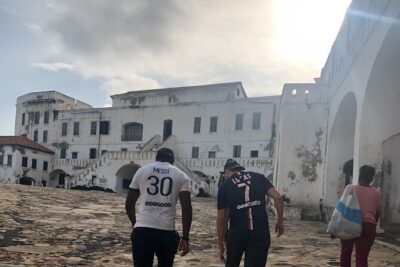
Ghana Private Historic Tour through Castles and Nature
Read our review →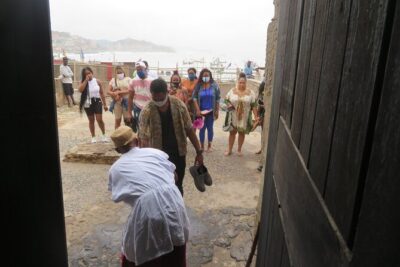
7-Day Private Cultural and Heritage Tour in Ghana
Read our review →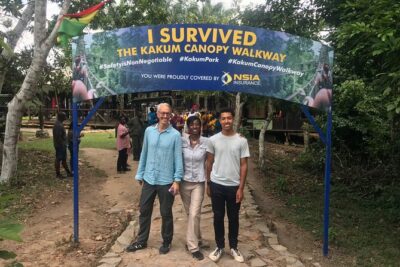
The Historic Cape Coast and Elmina Tour (The Land of History).
Read our review →Browse the lists this tour appears in