
Reviewed · ACCRA
7days/6nights Eco Tourism
Ghana rewards curious travelers. This seven-day tour links Accra, the Volta Region, Kumasi, Mole National Park, and the Cape Coast area in one ambitious sweep. I like the mix of wildlife and outdoor stops, from monkey sanctuaries and waterfalls to safaris and Kakum’s canopy walkway. I also like that profits support Future Stars Ghana, a charity serving more than 150 orphans and destitute children.
The main drawback is the pace. You cover a great deal of Ghana in seven days, with several long road journeys and some brief visits. The price is $1,980 per person, which can be good value if you want transport, meals, entry fees, guiding, water, WiFi, and a private vehicle handled for you, but it is not the right choice if you prefer slow mornings and extended time in each place.
In This Review
- Six things to know before booking
- What $1,980 buys you across seven days
- Legon Gardens and a boat ride at Sajuna
- Monkeys, Mount Afadjato, and Wli Waterfalls
- Likpe caves and the Ashanti royal story
- Bobiri Forest and two monkey sanctuaries
- Kintampo Falls and the road to Mole
- Mole National Park by vehicle and on foot
- Assin Manso, Cape Coast Castle, and Kakum
- Fort St Jago and the coastal finish
- Food, comfort, and practical details
- Who should book this Ghana tour?
- Should you book it?
- FAQ
- How long is the experience?
- Where does the tour begin?
- Is this a private tour?
- What transportation is provided?
- Are entrance fees included?
- Are meals included?
- Is bottled water provided?
- Is WiFi available?
- Is the use of a bicycle included?
- What is the cancellation policy?
Six things to know before booking
- The route crosses much of Ghana: You move from Accra and Akosombo to the Volta mountains, Kumasi, Mole National Park, and Cape Coast.
- Wildlife comes in several forms: You may see monkeys at two sanctuaries, birds and butterflies in forest reserves, and safari animals at Mole.
- The outdoor days are active: Mount Afadjato, Wli Waterfalls, cave visits, canopy walkways, and forest walks all require energy and sensible shoes.
- History is a major part of the trip: Manhyia Palace, the Okomfo Anokye Sword Site, Larabanga Mosque, Assin Manso, Cape Coast Castle, and Fort St Jago give the journey real depth.
- The package removes many extra costs: Air-conditioned transport, all listed entrance fees, three daily meals, purified bottled water, WiFi, and a Star Tours Ghana T-shirt are included.
- You travel privately: Only your own group takes part, with pickup offered and a 7:00 am start.
What $1,980 buys you across seven days
At first glance, $1,980 is a serious price. The value becomes clearer when you look at what the fee is doing. You receive an air-conditioned vehicle, a driver, a guide, all listed entrance fees, breakfast, lunch, and dinner for seven days. Unlimited purified bottled water is supplied, and free WiFi helps during long stretches on the road.
The private format matters. You are not being fitted into a large bus group, so your party has more room to manage stops, questions, and the general rhythm of the day. The information does not specify the vehicle size, hotel names, or exact pickup point, so ask for those details before paying.
Accommodation is described as comfortable, and the food receives strong praise. Still, the formal inclusions list names meals but does not spell out lodging in detail. Confirm the accommodation arrangements, room type, and whether any hotel charges are separate.
The charitable purpose adds another layer of value. Star Tours Ghana directs profits from its trips to Future Stars Ghana, which supports more than 150 children. That does not make the tour automatically right for you, but it gives your spending a clear local connection.
A few more Accra trips worth weighing up
- 7-Day Private Cultural and Heritage Tour in Ghana
★ 5.0 · 17 reviews - Private Multi-Day Ghana Tour about Culture History and Wildlife – 7 Days
★ 5.0 · 8 reviews - 7 Day Artisanal Tour
★ 5.0 · 4 reviews
Legon Gardens and a boat ride at Sajuna
Your first morning begins at 7:00 am and heads to Legon Botanical Gardens in Accra. The visit lasts about three hours and pairs well with the Aburi botanical gardens, giving you an early taste of Ghana’s plant life before the route turns east toward Akosombo.
This is a gentle start compared with the hikes later in the week. You can expect garden paths, time outdoors, and a chance to get used to the heat before the more demanding mountain and forest stops.
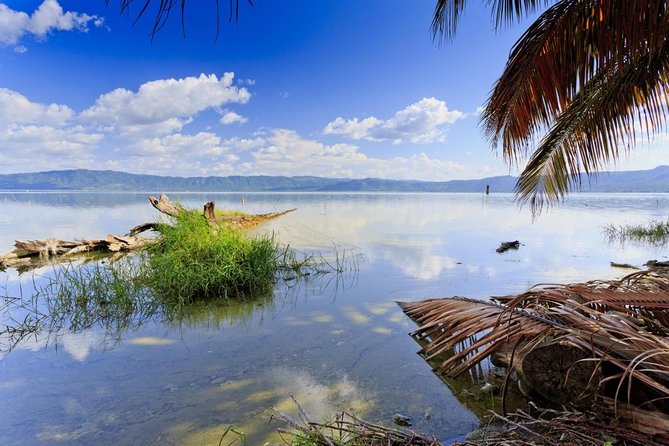
The day continues to Sajuna Beach Club, where a one-hour boat ride takes you onto Lake Akosombo. The setting provides a welcome change from road travel and gives you a first look at the huge waterway created around the Akosombo area.
You then settle into a riverside retreat. Since the first day combines a long garden visit, a boat trip, and onward travel, it is best viewed as an introduction rather than a full rest day.
Monkeys, Mount Afadjato, and Wli Waterfalls
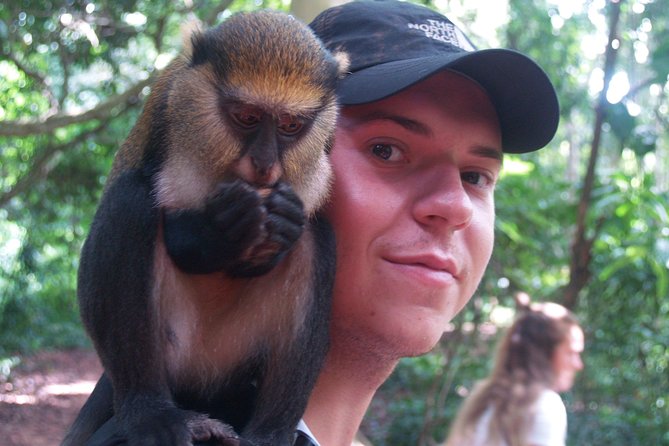
The Volta Region day packs three very different experiences together. At Tafi Atome Monkey Sanctuary and Cultural Village, you spend about two hours watching, feeding, and interacting with monkeys in their natural environment.
The encounter is likely to be a highlight for families and anyone who enjoys close wildlife experiences. Keep in mind that animal visits are active and unpredictable. The appeal is observing monkeys where they live, not expecting a zoo-style display.
Next comes the remote village of Liate Wote and Mount Afadjato, Ghana’s highest mountain. The schedule allows about three hours for village trekking and the climb. This is one of the tour’s more physical sections, and the description does not provide a trail grade or distance. Ask your guide about the expected walking conditions if you have any concerns.
Wli Waterfalls adds another three-hour walk. It is described as Ghana’s highest waterfall and the tallest in West Africa, with lower and upper falls. The walk through the mountain area is as important as the waterfall itself, but you should allow for heat, uneven ground, and a full day on your feet.
This is a wonderful day for active people. It is also the clearest warning that the tour is not a gentle sightseeing holiday.
Likpe caves and the Ashanti royal story
The next morning starts with the six Likpe caves. The two-hour visit focuses on the caves’ history before the drive to Kumasi. These sites add a human story to the natural scenery, especially the way caves have been tied to protection and survival.
Kumasi brings a strong change of subject. At Manhyia Palace Museum, you learn about the Asantehene, the absolute monarch of the Ashanti kingdom, and the history of the Ashanti people. The visit lasts about an hour, so expect an introduction rather than an exhaustive museum day.
The Okomfo Anokye Sword Site follows. The one-hour stop centers on the mysterious sword and its place in Ashanti tradition. Together, the palace and sword site help explain why Kumasi matters beyond being a stop between outdoor attractions.
The day ends at Lake Bosumtwi, a natural lake formed by a meteorite strike. Its name means Antelope God. You have about an hour to relax and take in the views, a useful pause after the morning caves and cultural visits.
The timing here is tight. You get a broad introduction to Ashanti culture and Kumasi, but anyone wanting long museum visits or serious historical study will want extra time.
A completely different sort of day out of Accra:
- The Cape Coast Day Tour
★ 5.0 · 525 reviews - Experience the Beauty, History and the Culture Of Accra in a Day
★ 5.0 · 323 reviews - The Cape Coast Tour
★ 5.0 · 177 reviews - From Accra: Cape Coast, Elmina Castle & Kakum Park Day Tour
★ 4.6 · 144 reviews
Bobiri Forest and two monkey sanctuaries
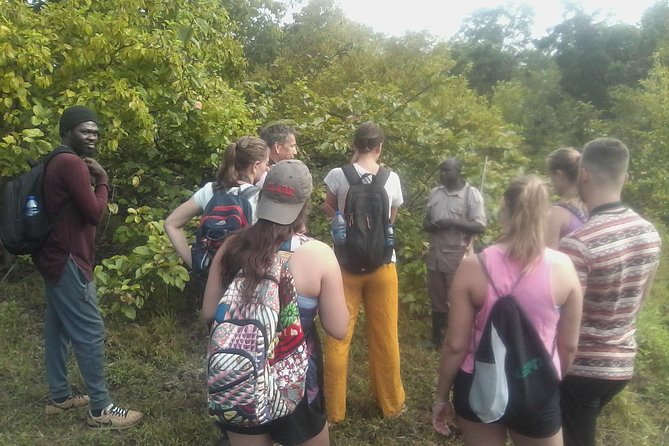
Bobiri Forest Reserve and its butterfly reserve offer a quieter forest experience. The visit lasts about two hours and is a good counterpoint to the busier cultural stops. The area is known for butterflies, and the forest setting gives you a chance to slow down and look closely at smaller forms of wildlife.
Boabeng Fiema Monkey Sanctuary brings the larger animals back into focus. The sanctuary is home to more than 700 Geoffrey’s pied colobus and Campbell’s Mona monkeys. You may watch monkeys in a natural setting, see wildlife, and explore caves during the two-hour visit.
The sheer number of monkeys makes this one of the tour’s most unusual stops. It is also different from Tafi Atome, so the two sanctuaries are not simply duplicate visits. You see another species mix and another local setting.
Tano Sacred Grove, also described as the Tano Boase rock formation, adds a strong historical element. The sacred groves and caves were places where villagers sought refuge during slave raids and tribal wars. The visit is only about an hour, but it gives the rocks and forest a clear human meaning.
This day will suit you if you like nature with context. You are not simply looking at trees and animals. You are learning how local communities used and respected these places.
Kintampo Falls and the road to Mole
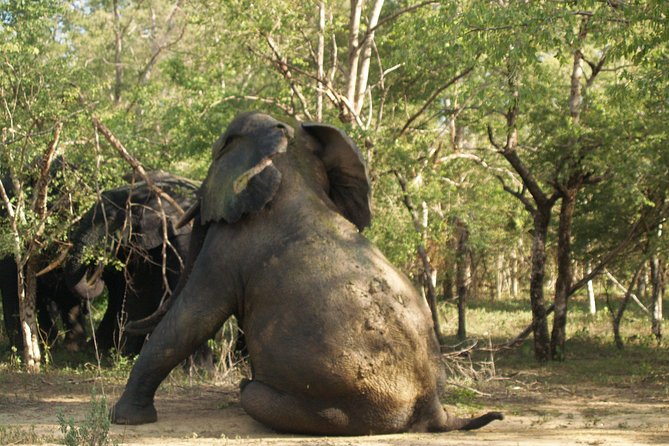
Kintampo Falls provides a short outdoor stop, with the chance to swim under waterfalls and use a canopy walkway. The visit is listed at about an hour, so it is a quick taste rather than a full day at the falls.
Swimming conditions can depend on weather and local safety decisions. Pack a swimsuit and a change of clothes if you want to take part, though the supplied information does not promise that swimming will always be possible.
Fuller Falls is another one-hour waterfall and forest visit. Seeing two falls in one day gives you variety, but it also adds to the sense that this tour moves quickly.
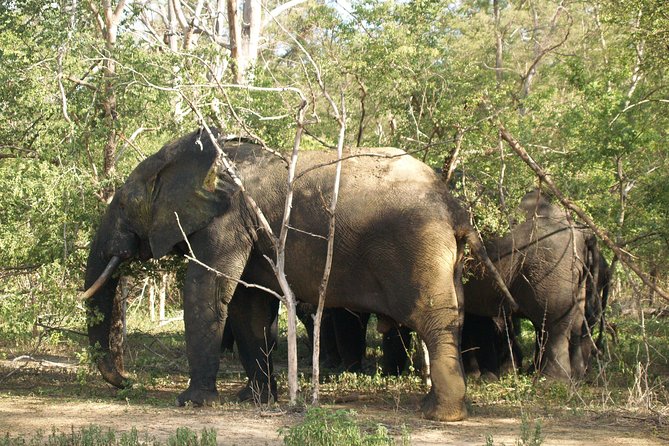
The road then continues to Mole National Park for your first safari experience. The listed safari time is about one hour, with more wildlife activity scheduled for the following morning. That first visit may feel like a preview, while the early vehicle safari and later walking safari give you more time in the park.
The schedule makes road fatigue a real consideration. You will see a lot, but you will spend substantial time moving between regions. The air-conditioned vehicle, water, meals, and WiFi are especially useful on these long transfers.
Mole National Park by vehicle and on foot
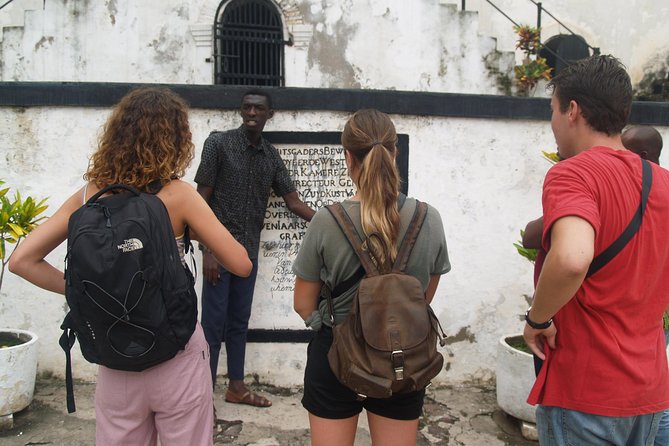
Mole is the wildlife centerpiece of the trip. You begin early with an all-terrain vehicle journey into the park, returning by 8:00 am for breakfast. After breakfast, a second safari takes place on foot through the forest.
The two formats give you different ways to experience the park. A vehicle covers more ground and offers a practical way to search for animals. Walking brings you closer to the sounds, tracks, and plant life around you, though the information provided does not list which animals you are guaranteed to see.
The formal schedule gives each Mole visit about an hour, but the morning description suggests a larger block of time because it includes the early drive, breakfast, and a second expedition. Ask for the exact safari hours before departure so you know how much time is actually spent in the park.
You then visit Larabanga Mosque, built in Sudanese architectural style. It is described as the oldest mosque in Ghana and one of the oldest in West Africa. This visit is a welcome cultural shift after the safari and shows a northern Ghana tradition that feels very different from the coastal forts and Ashanti sites.
After Larabanga, the route makes the long journey to Cape Coast. You should expect this to be a demanding transfer day, not a leisurely afternoon.
Assin Manso, Cape Coast Castle, and Kakum
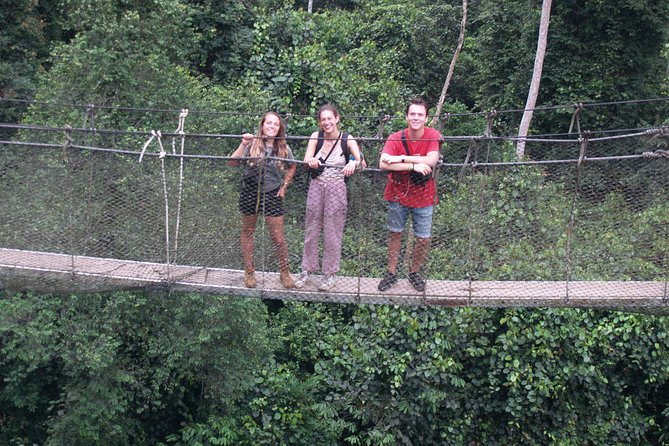
Assin Manso Ancestral Slave River Park is the first major stop on the final day. It was the final link in the slave route from northern Ghana and once served as a large slave market before captives were taken to Cape Coast Slave Castle.
The one-hour visit gives essential context for the castle later that day. I value this order because it connects the inland route to the coastal fort system instead of treating Cape Coast Castle as an isolated monument.
At Cape Coast Castle, local guides lead a two-hour visit through the dungeons, rooms, and cannon-lined walkways. The subject is painful and serious. Give yourself space to listen and reflect rather than rushing through it for photographs.
The castle visit is one of the strongest historical parts of the trip, but it may also be emotionally difficult. The experience does not soften the past, and that is part of its importance.
Kakum National Park follows with a one-hour forest visit. Its canopy walkway hangs 45 meters above the ground, offering treetop views. The park is home to butterflies and birds, including African grey parrots and hornbills.
The walkway can be thrilling, but anyone uneasy with height should ask the guide about the setup before committing. The supplied schedule allows only an hour, so you should not expect a long forest hike in addition to the canopy crossing.
Fort St Jago and the coastal finish
The final historical stop is Fort St Jago, with the day also referring to Elmina Castle. The timing shown for Fort St Jago is only two minutes, which is almost certainly a scheduling error or an extremely brief photo stop. Confirm how much time is actually planned at Fort St Jago and whether the full Elmina Castle visit is included.
That small timing issue is worth clarifying before booking because the Cape Coast and Elmina area deserves more than a hurried glance. The schedule already includes Assin Manso, Cape Coast Castle, and Kakum on the same day, so the final stretch may be very full.
The coastal ending gives the trip a clear shape. You begin with gardens and Lake Akosombo, cross mountain and forest country, visit Kumasi and Mole, then finish with Ghana’s major slave-trade sites and a high forest canopy walk.
Food, comfort, and practical details
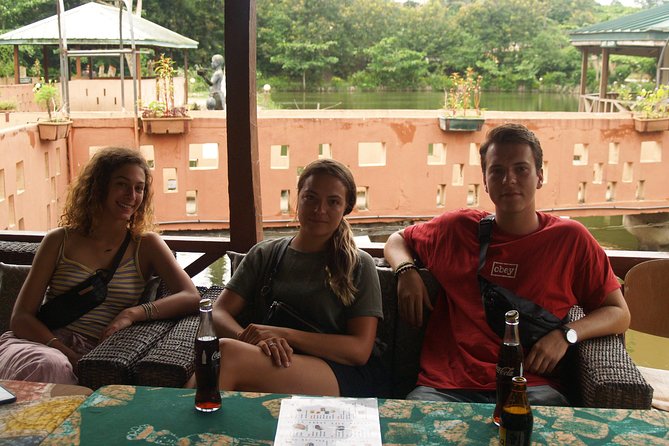
Three meals are included each day: breakfast, lunch, and dinner. The food receives strong praise, and that matters on a route where you may leave early and arrive tired. Unlimited purified bottled water is another practical benefit, especially during hikes and long road sections.
You also receive a Star Tours Ghana T-shirt and free WiFi. The tour supplies an air-conditioned vehicle, which is a major comfort on a seven-day route across several regions.
Bring sturdy walking shoes, light clothing, a swimsuit for the waterfall stop, and a small bag for day visits. The use of a bicycle is not included, though cycling is not presented as a central part of the schedule.
Confirmation is provided at booking. Most people can participate, but the mountain climb, waterfall walks, cave visits, canopy walkway, and safari on foot mean you should be comfortable with active days.
Free cancellation is available up to 24 hours before the 7:00 am start time. Within 24 hours, you receive no refund, and changes are not accepted. Poor weather can lead to a different date or a full refund.
Who should book this Ghana tour?
I would choose this tour if you want a broad first look at Ghana and prefer having transport, meals, entry fees, and guiding organized in advance. It suits people who enjoy wildlife, outdoor activity, cultural sites, and difficult history in equal measure.
It is also a good fit if supporting a local charity matters to you. Future Stars Ghana receives profits from the trips, giving the tour a social purpose beyond sightseeing.
I would hesitate if you want long stays in Accra, Kumasi, Cape Coast, or Mole. The route is ambitious, and several stops are short. The description also needs clarification on accommodation, the exact pickup location, the Fort St Jago timing, and how much safari time is included.
Should you book it?
Book this seven-day Ghana tour if variety and convenience matter more to you than a relaxed pace. You will see gardens, lakes, caves, mountains, waterfalls, monkeys, forest reserves, a safari park, a historic mosque, royal sites, slave-route landmarks, castles, and a canopy walkway.
At $1,980, the package offers solid value when you use the included meals, transport, entry fees, water, WiFi, and private format. Just go in ready for early starts and long drives. Ask a few practical questions before booking, then choose it for the wide range of experiences and the direct support for Future Stars Ghana.
FAQ
How long is the experience?
The tour lasts approximately seven days and six nights.
Where does the tour begin?
The experience is based in Accra, Ghana, with pickup offered. The stated start time is 7:00 am.
Is this a private tour?
Yes. Only your own group participates in the activity.
What transportation is provided?
An air-conditioned vehicle is included.
Are entrance fees included?
Yes. All listed fees and taxes, including the stated admission fees for the attractions, are included.
Are meals included?
Yes. Breakfast, lunch, and dinner are included for all seven days.
Is bottled water provided?
Yes. Unlimited purified bottled water is provided.
Is WiFi available?
Yes. Free WiFi is included.
Is the use of a bicycle included?
No. Bicycle use is not included.
What is the cancellation policy?
You can cancel at least 24 hours before the experience begins for a full refund. Cancellations or changes made within 24 hours are not accepted and are not refunded. If poor weather causes cancellation, you are offered another date or a full refund.
Just added around Accra
- Experience Cape Coast Castle and Kakum National Park★ 4.5 · 3 reviews
- Experience Northern Ghana In 10-Days★ 5.0 · 3 reviews
- Discover Ghana – Wli Waterfalls, Mountain Afadjato, Monkey Sanctuary & Akosombo.★ 4.5 · 3 reviews
- Cultural Tour Of Ghana And South Africa 12 Days★ 5.0 · 3 reviews
- Accra: City Highlights Half-day Guided Tour with Transfers★ 4.1 · 3 reviews
- Accra: Half day private safari with pick up★ 3.5 · 3 reviews
- Full Day Accra Guided Tour★ 5.0 · 3 reviews
- Experience Aburi Botanical Gardens And Boti Water Falls In A Day.★ 5.0 · 3 reviews