
Reviewed · CAPE COAST & ELMINA CASTLE TOURS
Accra and Cape Coast Escape
History hits hard here. This two-day Ghana tour links Kakum National Park with Elmina Castle, Cape Coast Castle, and major Accra sights, giving you nature, national history, and Pan-African culture in one package. I like the strong mix of outdoor activity and serious historical sites, and I also like that entrance fees, local transport, fuel, taxes, guides, and pickup within Accra are included. The main drawback is pace: day one is a long road trip with several major stops, and the castle visits can feel emotionally heavy.
You will spend the first day outside Accra and the second day in the capital. That makes this a useful choice if you have only two full days and want more than a city tour. Just remember that meals and accommodation are not included, and the group may reach 40 people, so personal attention can vary.
In This Review
- Key points at a glance
- Why this two-day Ghana tour works
- Day one: the long road to Kakum National Park
- Elmina Castle: a difficult place to visit
- Cape Coast Castle and the weight of the past
- Day two: four important stops in Accra
- Kwame Nkrumah Memorial Park and Ghana’s independence
- Independence Square and Black Star symbolism
- Shopping at the Center for National Culture
- Transport, meals, timing, and pickup
- Who should book the Accra and Cape Coast Escape?
- Should you book it?
- FAQ
- How long does the Accra and Cape Coast Escape last?
- What attractions are visited on day one?
- What attractions are visited in Accra on day two?
- Is transportation included?
- Are meals and accommodation included?
- Can I cancel for a full refund?
Key points at a glance
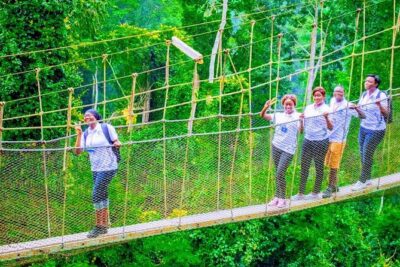
- Kakum’s 30-meter canopy walkway gives you a treetop view over protected rainforest, with possible sightings of birds and monkeys.
- Elmina Castle and Cape Coast Castle explain different chapters of Ghana’s European trade forts and the Atlantic slave trade.
- Accra’s second day covers four major sites, including the W.E.B. DuBois Center, Kwame Nkrumah Memorial Park, Independence Square, and the Arts Center.
- The $250 price includes major practical costs, such as transport, entrance fees, fuel charges, taxes, and pickup and drop-off within Accra.
- A long drive shapes day one, with the road trip to Kakum taking about four hours according to the available tour feedback.
- Zainab is a guide worth requesting if possible, as her warmth and clear help received especially strong praise.
Why this two-day Ghana tour works
Ghana offers several different stories at once. Accra introduces modern national identity and Pan-African thought, while the Central Region brings you to castles connected with European trade, forced migration, and colonial power. Kakum adds a completely different setting, with forest trails and a suspended walkway high above the ground.
I like the structure because you are not spending two days looking at similar museums. Day one is mostly a road journey and heritage visit. Day two is a city circuit with shorter stops. The contrast keeps the program varied, though it also means you should arrive ready for early starts, long hours, and plenty of information.
The tour costs $250 per person. That is not a bargain-basement day trip, but the price covers more than many basic excursions. You get local transportation, site admission, guide support, fuel charges, taxes, and hotel pickup and drop-off within Accra. Since meals, accommodation, and anything outside the listed program are extra, compare the price with what you would otherwise spend arranging transport and tickets separately.
The advertised group limit is 40 people. That is a fairly large group for castle tours and museum visits. If the group is full, stay close to the guide when moving between rooms, and ask questions early. A smaller group would likely feel more personal, but the larger capacity can make the tour easier to book for families, work groups, or solo visitors who prefer organized transport.
More Cape Coast and Elmina castle days:
- The Cape Coast Day Tour
★ 5.0 · 525 reviews - The Cape Coast Tour
★ 5.0 · 177 reviews - From Accra: Cape Coast, Elmina Castle & Kakum Park Day Tour
★ 4.6 · 144 reviews
Day one: the long road to Kakum National Park
The first stop is Kakum National Park, established in 1932 and covered mainly by undisturbed tropical rainforest. The park protects a wide range of plant and animal life, including more than 200 recorded bird species. You might spot parrots, bee-eaters, blue plantain-eaters, hornbills, or kingfishers, though wildlife sightings are never guaranteed.
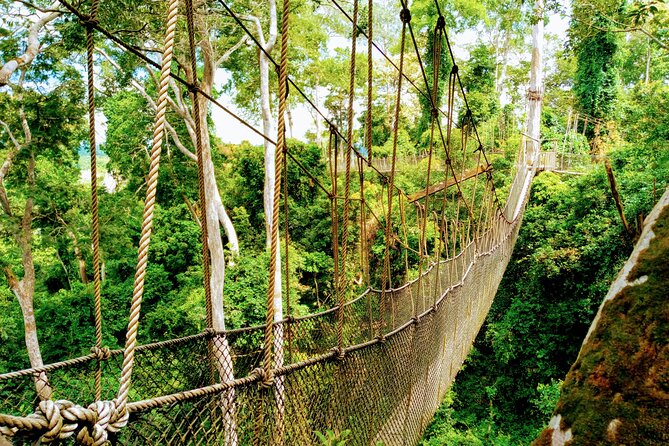
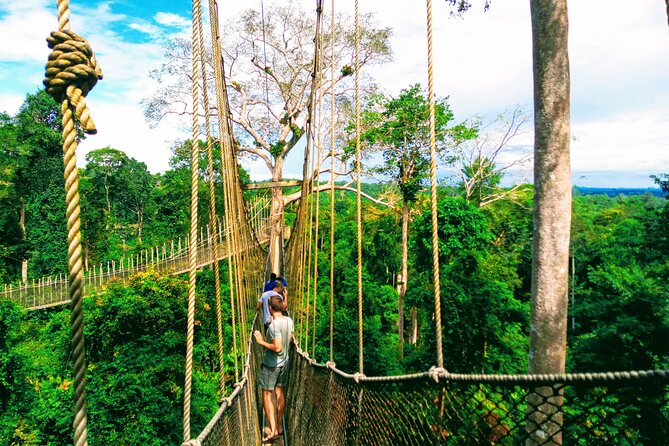
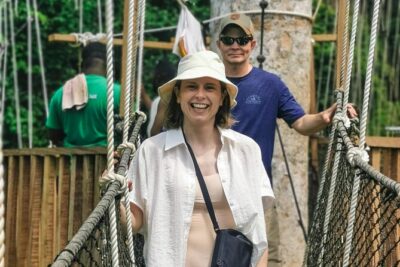
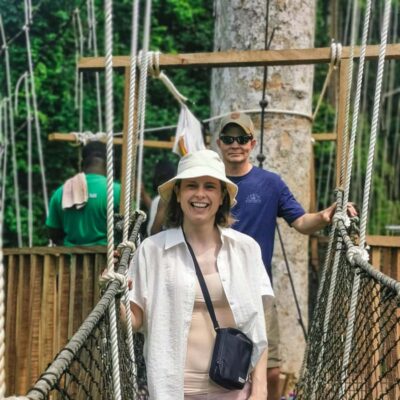
The listed visit lasts about two hours and includes admission. Trails offer opportunities for daytime walking, but the main attraction is the Canopy Walkway. Suspended about 30 meters above the forest floor, it gives you a view into the upper levels of the trees rather than from ground level. This is the most active part of the tour, and it adds a welcome change after sitting in the vehicle.
You should prepare for a long transfer to reach the park. One account puts the drive from Accra at roughly four hours, so the road time may be as important as the time at the attraction. Bring water, wear practical shoes, and keep your expectations sensible. Kakum is a rainforest visit, not a guaranteed animal-watching trip. The forest setting and walkway are the main rewards.
The timetable lists two hours at Kakum, which is enough to see the walkway and get a taste of the park. It is not enough for an extended naturalist program or a long series of hikes. If you want a slower forest visit, this tour may feel rushed.
Elmina Castle: a difficult place to visit
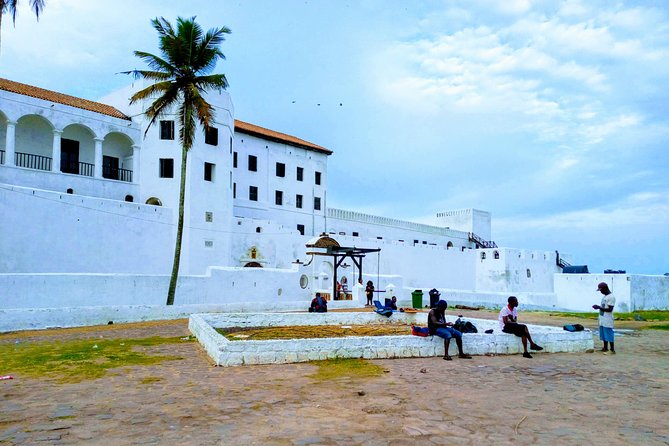
After Kakum, the group continues to Elmina Castle. Built by the Portuguese in 1482 as São Jorge da Mina, it is described as the oldest European building south of the Sahara. It began as a trading post on the Gulf of Guinea and later became a major site in the Atlantic slave trade.
The scheduled visit lasts one hour, with admission included. That sounds brief, but the castle’s importance is not measured by the clock. The rooms and passages connect European commerce with the forced removal and sale of African people. You should expect a serious visit rather than a light sightseeing stop.
Elmina Castle is valuable because it places broad historical facts in a physical setting. Instead of hearing only about ships, trade routes, and colonial rule, you see the actual fortress where these systems operated. The visit can be painful, and that is part of why it matters. Give yourself some quiet time afterward if you need it.
The one-hour limit also means you will not have unlimited time to examine every detail. Listen closely to the guide and keep the group together. The first castle alone can provide a lot to absorb, especially if you have not studied Ghana’s role in the Atlantic slave trade before.
Cape Coast Castle and the weight of the past
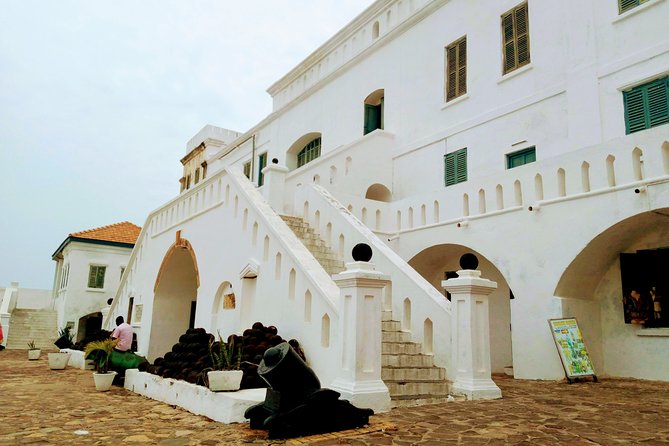
Cape Coast Castle is the second major heritage stop of the day. Its story begins with a Portuguese trading lodge from 1555. A permanent wooden fort was later built by the Swedish Africa Company in 1653, reconstructed in stone after Danish control, and then transferred through several foreign powers.
That sequence matters. The castle was not built for one single purpose or controlled by one single country. It reflects changing European competition for timber, gold, and access to the West African coast. Its later role in the Atlantic slave trade gives the site an even darker meaning.
You have about one hour here, with the entrance fee included. Visiting Cape Coast Castle after Elmina can feel repetitive in terms of subject, but the two sites still help show the scale of the coastal fort system. The tour gives you a chance to compare them instead of treating one building as the whole story.
At the same time, two castle tours in one day can be too much emotionally and mentally. That concern is worth taking seriously. The available feedback describes the paired visits as difficult to take in, even while praising the overall experience. I would not schedule a carefree beach outing or demanding evening activity after day one. Leave room to think.
A completely different sort of day out of Accra:
- Experience the Beauty, History and the Culture Of Accra in a Day
★ 5.0 · 323 reviews - Accra Detailed City Tour
★ 4.5 · 118 reviews - Accra Guided City Tour Experience
★ 4.7 · 88 reviews - Accra Guided City Tour Experience
★ 5.0 · 76 reviews
Day two: four important stops in Accra
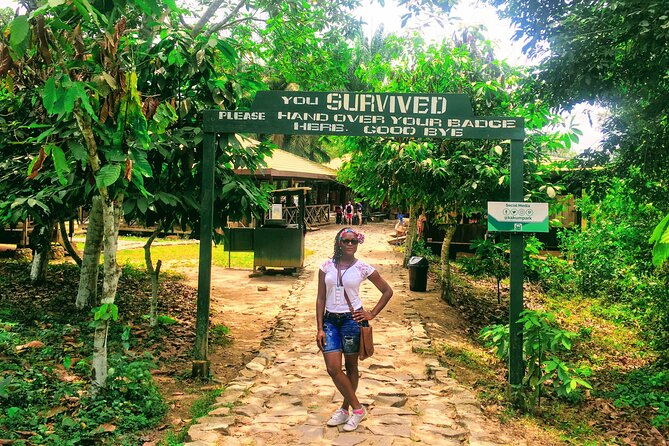
The second day shifts from coastal forts to Ghana’s national and Pan-African story. The stops are closer together than those on day one, but the schedule remains full. You will visit the W.E.B. DuBois Center, Kwame Nkrumah Memorial Park, Independence Square, and the Center for National Culture.
The itinerary gives you about 40 minutes at the W.E.B. DuBois Center. Du Bois was an African-American civil rights activist and a major figure in Pan-Africanism. He became a citizen of Ghana in the 1960s and lived at this site with his wife. Both are buried here.
The center includes his personal library, a small museum, graduation robes, a mausoleum, seminar room, restaurant, gallery, amphitheater, and research center for Pan-African history and culture. Forty minutes is enough for an introduction, but not a detailed study of every part of the complex. If Du Bois is a major reason for your visit, pay close attention and use your time carefully.
This stop gives the tour a useful link between Ghana and the African diaspora. After day one’s focus on forced migration, the DuBois Center shows another part of the story: intellectual exchange, political thought, and the relationship between Africa and people of African descent around the world.
Kwame Nkrumah Memorial Park and Ghana’s independence
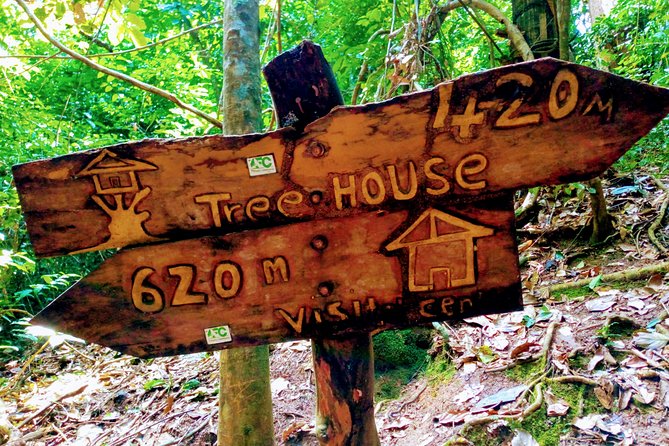
Next comes the Kwame Nkrumah Memorial Park, scheduled for one hour. The mausoleum is the final resting place of Osagyefo Dr. Kwame Nkrumah, Ghana’s first president. The museum holds personal effects, publications, and photographs from his life and political career.
The park honors Nkrumah’s role in ending colonial rule in the former Gold Coast. For you, this stop provides the political follow-up to the castles. The earlier visits show a country shaped by foreign control and exploitation. This museum focuses on the movement toward self-rule and the people who helped define modern Ghana.
One hour is a reasonable amount of time for the museum and memorial grounds, although visitors with a strong interest in Ghanaian politics may want longer. The tour format keeps you moving, so listen for the major dates, names, and ideas rather than trying to read every display in detail.
I like this part of the program because it keeps Ghanaian voices at the center. The castles are essential, but they can dominate a first visit to the country. Nkrumah’s memorial helps you see Ghana as a nation with its own political ambitions, not only as a place described through colonial history.
Independence Square and Black Star symbolism
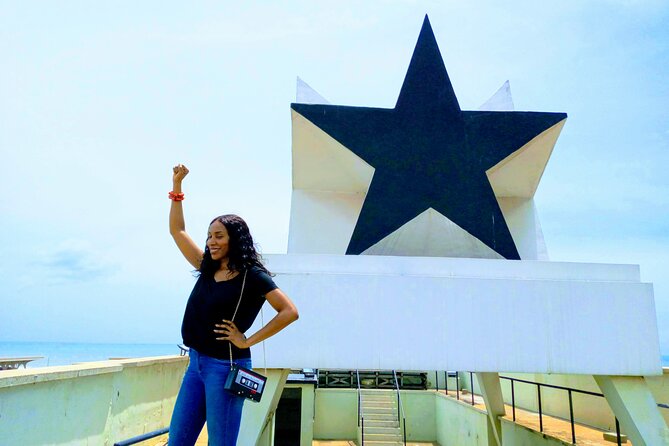
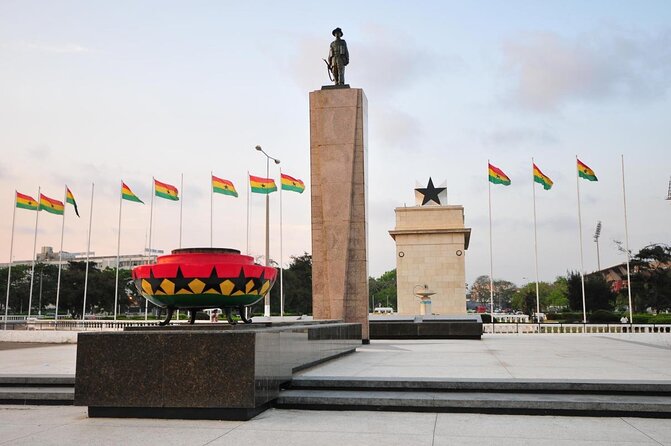
The stop at Independence Square lasts about 20 minutes. Also called Black Star Square, it is a large concrete ceremonial space with seating for about 30,000 people. The area includes Independence Arch, the Flame of African Liberation, and the Black Star Gate, also known as the Black Star Monument.
This is a short stop, so think of it as a photo and orientation visit rather than a full museum experience. The open space can feel stark, but its scale reflects the importance of public ceremonies and national independence. The square was commissioned by Kwame Nkrumah to honor the visit of Queen Elizabeth II.
The Black Star symbolism is especially important. The monument and gate connect Ghana’s independence with wider African hopes for self-rule. You may find that 20 minutes is plenty here, especially after the longer museum stops. Stay alert to the guide’s explanation, since the physical site offers little written interpretation during a quick visit.
Shopping at the Center for National Culture
The final listed stop is the Center for National Culture, commonly called the Arts Center. You have about 30 minutes to browse stalls selling Ghanaian-inspired crafts, including woven Kente cloth, wooden sculptures, earrings, fashion accessories, and other items connected with Ghanaian design.
This is the most relaxed stop on day two, but it is still worth treating as part of the cultural visit rather than simply a souvenir break. Crafts can help you remember the places and traditions discussed earlier. The market also gives you a chance to support local sellers, though the short time may limit how carefully you can compare items.
If you plan to buy Kente cloth or a larger carving, ask about prices and consider how you will carry the item home. The tour includes the market stop, but purchases are your responsibility. With only 30 minutes, decide in advance if you want a quick look or a focused shopping stop.
Transport, meals, timing, and pickup
Hotel pickup and drop-off are included within Accra. The listed meeting point is Accra Mall at Plot C11, Tetteh Quarshie Interchange, Spintex Road. The activity ends back at the meeting point, so confirm the exact pickup arrangement before the day begins.
Local transportation, fuel charges, taxes, entrance fees, guide support, and listed activities are included. Daily meals are not. Accommodation is also not included, which means you need to arrange your own hotel in Accra and budget separately for food during both full days.
The tour is listed as approximately two days, with both days described as full-day outings from Accra. Day one is the more demanding day because of the long drive to Kakum and the two castle visits. Day two has more stops but less road distance between them.
The schedule may change. One account describes a complete itinerary change that was not communicated well, so I would confirm the day’s order and pickup details before setting out. That is especially important if you have another booking, flight, or dinner reservation.
Confirmation is provided at booking. Service animals are allowed, the tour is near public transportation, and most people can participate. The activity requires good weather. If poor weather causes cancellation, you are offered another date or a full refund. You can cancel for a full refund up to 24 hours before the start time, while later cancellations and changes are not accepted.
Who should book the Accra and Cape Coast Escape?
I recommend this tour most strongly if you are visiting Ghana for the first time, have limited time, and want a guided introduction to both national history and the coastal forts. It also suits solo visitors who prefer arranged transport. A solo woman gave especially warm praise to the female guides and said their presence helped her feel comfortable.
You will get the most from the tour if you are willing to listen, ask questions, and accept a serious tone on day one. The best moments are not all easy ones. Elmina and Cape Coast castles ask you to confront painful history, while the DuBois Center and Nkrumah Memorial Park add context and Ghanaian perspectives.
This may not suit you if you dislike long drives, large groups, fixed schedules, or emotionally demanding historical sites. It is also less suitable if you want long nature walks, since Kakum receives about two hours and the main attraction is the canopy walkway.
Should you book it?
Book it if you want a tightly packed introduction to Ghana for $250, with major entry fees and transport already handled. The mix of Kakum, two castles, Pan-African history, independence landmarks, and local crafts gives you a lot in two days.
I would book with three practical conditions: keep day one free of other plans, bring money for meals and shopping, and confirm pickup and the final schedule before departure. If you prefer a slower pace or want extended time at the castles, arrange a private or smaller-group tour instead. For a first visit with limited time, this is a serious, useful, and worthwhile introduction.
FAQ
How long does the Accra and Cape Coast Escape last?
The experience lasts approximately two days, with both days operating as full-day tours from Accra.
What attractions are visited on day one?
Day one includes Kakum National Park, Elmina Castle, and Cape Coast Castle.
What attractions are visited in Accra on day two?
Day two includes the W.E.B. DuBois Center, Kwame Nkrumah Memorial Park, Independence Square, and the Center for National Culture.
Is transportation included?
Yes. Local transportation, fuel charges, taxes, guide support, and hotel pickup and drop-off within Accra are included.
Are meals and accommodation included?
No. Daily meals and accommodation are not included in the $250 price.
Can I cancel for a full refund?
Yes. You can cancel at least 24 hours before the start time for a full refund. Cancellations or changes made less than 24 hours before the start time are not refunded or accepted.
Just added around Accra
- Experience Cape Coast Castle and Kakum National Park★ 4.5 · 3 reviews
- Experience Northern Ghana In 10-Days★ 5.0 · 3 reviews
- Discover Ghana – Wli Waterfalls, Mountain Afadjato, Monkey Sanctuary & Akosombo.★ 4.5 · 3 reviews
- Cultural Tour Of Ghana And South Africa 12 Days★ 5.0 · 3 reviews
- Accra: City Highlights Half-day Guided Tour with Transfers★ 4.1 · 3 reviews
- Accra: Half day private safari with pick up★ 3.5 · 3 reviews
- Full Day Accra Guided Tour★ 5.0 · 3 reviews
- Experience Aburi Botanical Gardens And Boti Water Falls In A Day.★ 5.0 · 3 reviews
Cape Coast & Elmina Castle Tours, compared.
Cape Coast, Elmina Castle & Kakum Park Day Tour
Read our review →
Cape Coast ,Elmina Castle and Kakum Full-Day Tour
Read our review →
10 Days Trip to Cape Coast and Elmina Castles from Accra
Read our review →
The Homecoming Experience To Cape-coast And Elmina.
Read our review →Browse the lists this tour appears in