
Reviewed · HISTORICAL TOURS
Half-Day Private History Tour in Nkyinkyim Museum
History takes shape here. This four-hour private outing from Accra uses powerful outdoor sculpture to tell the story of the Trans-Atlantic Slave Trade, then continues to Prampram’s African Ancestral Wall. I like the private air-conditioned transport and the chance to learn through Ghanaian art rather than only through dates and display cases. The main drawback is value: at $145 per person, the experience can feel expensive for a half-day outing, especially since lunch is not included.
The tour also gives you two different settings. At Nkyinkyim Museum, you get a guided look at an artist’s work, a short film, and the surrounding grounds. At Prampram, painted portraits honor African ancestors and heroes. I would choose this tour for its personal scale and emotional weight, but I would first check how many people are in your private group, since the price is charged per person.
In This Review
- Key points before you book
- Why this Accra history tour feels different
- Starting at 7:30 am from Accra
- Nkyinkyim Museum: sculpture, film, and remembrance
- A possible drumming and art therapy session
- Prampram and the African Ancestral Wall
- Is $145 per person a fair price?
- Who will enjoy this experience most?
- Practical advice for a smoother visit
- Should you book the Nkyinkyim Museum tour?
- FAQ
- Where does the tour take place?
- What time does the tour start?
- How long does the experience last?
- Is transportation included?
- Is the museum admission included?
- Is lunch included?
- Is this a private tour?
- Can I cancel for a full refund?
Key points before you book
- Art tells the central story: Nkyinkyim Museum presents the Trans-Atlantic Slave Trade through sculpture, film, and guided interpretation.
- Isaac earns special praise: Several comments single out Isaac for being prompt, engaging, professional, and easy to talk with.
- Two hours at each stop: The schedule gives both the museum and Prampram’s African Ancestral Wall enough time for a proper visit.
- Private transport keeps the day simple: Pickup is offered, and an air-conditioned vehicle, bottled water, admission, and taxes are included.
- The emotional focus is serious: Expressions on the sculptures are used to convey pain, discrimination, survival, and remembrance.
- Budget carefully: The $145 price does not include lunch, and one four-star assessment found the outing short for the cost.
Why this Accra history tour feels different
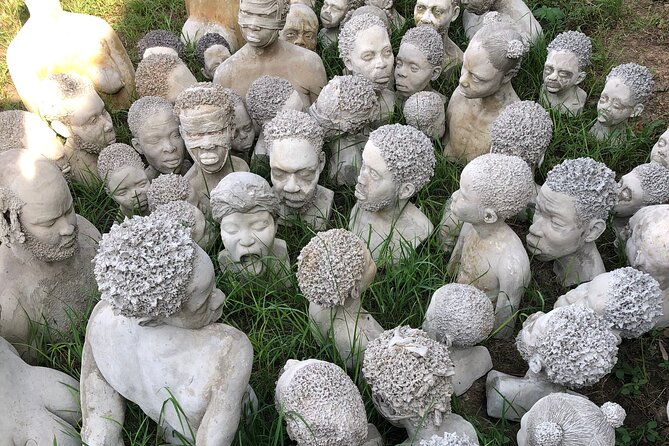
You are not simply walking past old objects and reading labels. The Nkyinkyim Museum uses sculpture as the main language, allowing an artist to interpret the suffering and disruption caused by the Trans-Atlantic Slave Trade.
That approach matters because it puts human faces and bodies at the center. The artwork is meant to show pain endured by African people, not just explain an economic system or political event. You may find the experience more personal than a standard museum visit, and possibly harder to shake off afterward.
The tour also connects this painful past with African achievement. Its stated aim includes introducing you to African heroes and explaining their contributions to African development. That broader focus helps keep the visit from becoming only a story of loss. You are also asked to remember the people, ideas, and leadership that continued beyond slavery and discrimination.
I especially like the balance between the two stops. Nkyinkyim Museum gives you a guided artistic interpretation. The African Ancestral Wall adds a public tribute to important African figures. Together, they create a half-day built around memory, identity, and pride.
Other Accra trips people book alongside this one:
- The Cape Coast Day Tour
★ 5.0 · 525 reviews - Experience the Beauty, History and the Culture Of Accra in a Day
★ 5.0 · 323 reviews - The Cape Coast Tour
★ 5.0 · 177 reviews
Starting at 7:30 am from Accra
The experience begins at 7:30 am, a useful early start for a tour that includes private transport and two locations. Pickup is offered, though the provided details do not specify every pickup area or the exact meeting point. When booking, give your accommodation details clearly and confirm where the vehicle will meet you.
Private transport is one of the strongest practical features. You ride in an air-conditioned vehicle rather than arranging separate transport between Accra, the museum, and Prampram. That matters because the tour is built around two stops, and a private vehicle gives your group more control over the day.
Bottled water is included. So are all fees and taxes. These inclusions reduce small extra costs, though they do not change the fact that you must arrange and pay for lunch yourself.
The total outing lasts about four hours and eight minutes. That is long enough for a meaningful visit without taking the entire day. Still, you should not expect a full-day cultural program with several museums, a long meal, or a wide tour of the surrounding area.
Nkyinkyim Museum: sculpture, film, and remembrance
The first stop receives about two hours, with admission included. You will see outdoor artworks and hear how the artist uses them to tell the story of the slave trade and discrimination against Africans.
The visit includes a short video about discrimination and an interview with the artist behind the sculptures. That film component gives useful context before or alongside the guided walk. Instead of meeting the sculptures without explanation, you get a clearer sense of the artist’s purpose and the ideas behind the installation.
The sculptures themselves are the main event. Their expressions are intended to communicate suffering and endurance. You might find yourself paying close attention to faces and body language, since the emotional message is carried through the figures rather than through text alone.
The setting also matters. This is an outdoor art experience, and the museum grounds are described as scenic. You get the unusual combination of serious historical subject matter and an open-air setting. That contrast can make the visit feel spacious, but it does not make the subject matter lighter.
A guided walk follows the film and artist interview. Guide quality will shape how much you gain from the visit. Isaac is repeatedly praised for being prompt, engaging, professional, and a good conversationalist. If Isaac is assigned to your group, you can expect a guide who helps turn the artwork into a discussion rather than simply pointing out each sculpture.
The museum’s purpose is especially important for anyone who wants to understand how art can preserve memory. You are not being asked to look at the figures as decoration. The work asks you to face the human cost of slavery and discrimination, then remember that history through African eyes.
Allow yourself time to pause. Two hours sounds generous, but a guided explanation, film, outdoor walk, and conversation can use it quickly. The first stop may be the emotional center of the day, so do not treat it as a quick photo stop.
A possible drumming and art therapy session
One account of the experience also describes an art therapy session involving drumming with Seyram. This sounds like a valuable addition because it gives you a way to respond to the museum’s themes through participation rather than only listening and looking.
However, the formal tour details do not identify the drumming session as a guaranteed inclusion. I would ask about it before booking if that activity is important to you. Treat it as a possible feature, not a promise.
If available, the session could provide a gentler change of pace after the museum’s difficult subject matter. It may also help connect the visit with living creative practice. That is a useful reminder that African art is not only a record of past suffering. It remains active, communal, and expressive.
More history tours in Accra:
- Ghana Heritage Tours – Beyond The Return
★ 5.0 · 36 reviews - 10 Days Ghana Cultural and Heritage Trip
★ 5.0 · 31 reviews - Cape Coast Historical Day Tour
★ 5.0 · 24 reviews - Full-Day Private Culture and History Tour of Accra
★ 5.0 · 23 reviews
Prampram and the African Ancestral Wall
The second stop lasts about two hours and takes you to the African Ancestral Wall in Prampram. Admission is free, which is already included in the overall value of the day.
The wall displays art portraits honoring notable African ancestors. This gives the second half of the tour a different mood from the museum. At Nkyinkyim, the emphasis is on slavery, discrimination, and trauma. At the wall, the focus shifts toward recognition and remembrance of people who helped shape African life and development.
Portrait art can work quickly. A face gives you a person to think about, while the surrounding explanation gives that person a place in a larger story. The wall’s wide display makes it suitable for a slower walk, especially if you want to discuss which figures are represented and why they matter.
The stop also strengthens the tour’s educational purpose. You are not only learning about what was done to Africans. You are being introduced to African figures worthy of honor. That change in emphasis is one reason the two-stop structure works well.
Still, the available details do not provide a full list of the portraits or identify every ancestor shown. If you have a particular historical figure in mind, ask the tour provider whether that person appears at the wall before you book.
Is $145 per person a fair price?
The cost is $145 per person. That is a serious price for an outing lasting about four hours and eight minutes, especially because lunch is not included.
The value improves if you are traveling with people who care about the subject and will use the private format well. You receive private transportation, an air-conditioned vehicle, bottled water, admission to Nkyinkyim Museum, and all fees and taxes. You also avoid arranging transport to two separate locations.
The private setup is useful for families, couples, or small groups who want to ask questions without keeping pace with strangers. It also gives you a more personal experience with the guide. Isaac’s praised conversation skills are particularly relevant here, since a private tour works best when you can discuss the art and history openly.
The price is harder to justify for a solo visitor or a pair watching every dollar. One assessment found the tour short and costly, with a suggestion that lunch or an additional stop would improve the package. That is a fair concern. The program is focused rather than extensive, and you are paying for privacy and transport as much as for the sightseeing itself.
Group discounts are offered, though the amount is not provided. Ask for the exact price before booking. A larger private group could make the per-person cost more comfortable, provided everyone is interested in a serious history and art experience.
I would think of the tour as a guided cultural service rather than a bargain sightseeing trip. If you only want to see the sites quickly, the price may disappoint you. If you value private transport, a dedicated guide, and an artist-led approach to difficult history, the cost becomes easier to defend.
Who will enjoy this experience most?
I would recommend this outing to you if you want a thoughtful cultural experience in and around Accra. It suits people who prefer local interpretation, outdoor art, and conversation over a long checklist of attractions.
It is also a good choice for anyone visiting Ghana to learn about the African experience of slavery and discrimination. The museum offers a direct emotional approach, while the ancestral wall provides a more celebratory look at African figures and contributions.
Families with older children may appreciate the visual storytelling, though the subject matter is serious. The supplied information says most people can participate, but it does not give a detailed accessibility description. If someone in your group has specific mobility or access needs, ask the provider before confirming.
You may also like the tour if you want a private outing with a flexible social rhythm. The experience is not described as physically demanding, but it does include walking around an outdoor museum and viewing a wall display. Comfortable clothing and shoes are sensible, though the tour information does not set a formal dress requirement.
This is less suitable if you want a packed schedule, a long lunch, shopping, or a broad city tour. It is also not the best match if you prefer light sightseeing. The museum’s subject is slavery and discrimination, and the artwork is designed to make you think about suffering.
Practical advice for a smoother visit
Start by confirming pickup details. The tour offers pickup, but the exact meeting arrangements are not provided. Confirm the location, time, and how to identify the vehicle before the morning of the tour.
Bring your own plan for lunch. It is not included, and the four-hour schedule does not state where or when you will eat. You can ask whether there is time to stop for food, but do not assume a meal is part of the program.
Use the guide time well. Ask about the artist’s choices, the figures represented in the sculptures, and the African heroes honored at Prampram. A private tour gives you a better chance to shape the conversation around your interests.
If Isaac is your guide, take advantage of his conversational approach. If another guide leads the outing, you can still ask for the same kind of explanation. The art has more impact when you understand the purpose behind the faces and figures.
Think about the timing of your booking. This experience is booked, on average, 52 days ahead. That suggests you should not leave it until the last moment if your Accra schedule is fixed.
Free cancellation is available when you cancel at least 24 hours before the 7:30 am start. A cancellation made less than 24 hours ahead is not refundable, and late changes are not accepted. The cutoff uses local time, so check the clock carefully if you are booking from another country.
Should you book the Nkyinkyim Museum tour?
Book it if you want a private, art-focused history experience and you are comfortable paying for a short but carefully focused outing. The museum’s sculptures, the film and artist interview, Isaac’s strong guiding reputation, and the African Ancestral Wall give the day real substance.
Think twice if $145 per person feels high for four hours, or if you need lunch and several more attractions included. Ask about group discounts, pickup, the possible drumming session with Seyram, and the exact lunch plan before you pay.
For the right visitor, this is not just a stop at a museum. It is a chance to face difficult history through African artwork, then spend time honoring African ancestors and heroes. That focused purpose is the reason I would recommend it.
FAQ
Where does the tour take place?
The tour begins in Accra and visits Nkyinkyim Museum before continuing to the African Ancestral Wall in Prampram.
What time does the tour start?
The stated start time is 7:30 am.
How long does the experience last?
The tour lasts approximately four hours and eight minutes.
Is transportation included?
Yes. Private transportation in an air-conditioned vehicle is included, and pickup is offered.
Is the museum admission included?
Yes. Admission to Nkyinkyim Museum is included. Admission to the African Ancestral Wall is free.
Is lunch included?
No. Lunch is not included in the tour price.
Is this a private tour?
Yes. Only your group participates in the activity.
Can I cancel for a full refund?
Yes, if you cancel at least 24 hours before the experience start time. Cancellations made less than 24 hours ahead are not refundable, and changes within that period are not accepted.
More Half-Day in Accra
- Half-day Accra Guided Tour
★ 4.5 · 8 reviews - Half-Day Accra City Tour Experience
★ 5.0 · 7 reviews - Half-day Accra Safari Tour
★ 4.5 · 6 reviews - Accra: City Highlights Half-day Guided Tour with Transfers
★ 4.1 · 3 reviews
Just added around Accra
- Experience Cape Coast Castle and Kakum National Park★ 4.5 · 3 reviews
- Experience Northern Ghana In 10-Days★ 5.0 · 3 reviews
- Discover Ghana – Wli Waterfalls, Mountain Afadjato, Monkey Sanctuary & Akosombo.★ 4.5 · 3 reviews
- Cultural Tour Of Ghana And South Africa 12 Days★ 5.0 · 3 reviews
- Accra: City Highlights Half-day Guided Tour with Transfers★ 4.1 · 3 reviews
- Accra: Half day private safari with pick up★ 3.5 · 3 reviews
- Full Day Accra Guided Tour★ 5.0 · 3 reviews
- Experience Aburi Botanical Gardens And Boti Water Falls In A Day.★ 5.0 · 3 reviews
Historical Tours, compared.
Experience the Beauty, History and the Culture Of Accra in a Day
Read our review →
Full-Day Private Culture and History Tour of Accra
Read our review →
Ghana Private Historic Tour through Castles and Nature
Read our review →
7-Day Private Cultural and Heritage Tour in Ghana
Read our review →
The Historic Cape Coast and Elmina Tour (The Land of History).
Read our review →Browse the lists this tour appears in