
Reviewed · ACCRA
Nature Thrills
Nature gets the better of Accra. This seven-hour trip into Ghana’s Aburi Mountains swaps traffic and city noise for plant-filled paths, an important cocoa-growing site, and a forest waterfall. I especially like the mix of Aburi Botanical Gardens and the Tetteh Quarshie Cocoa Farm, since one explains Ghana’s plant life while the other connects it to the country’s farming story. The main consideration is physical: the day includes walking and a roughly 20-minute hike to Adom Waterfall, with uneven ground and no meal included in the $150 price.
I also like that transportation, entrance fees, fuel surcharges, guide support, and the activities are covered, so you are not constantly reaching for your wallet. Guides such as Suwaiba and Gian have been praised for being friendly, attentive, and well informed, while drivers have handled rough dirt roads carefully. Still, the value depends on your priorities: you pay for a private-feeling day of transport and local guidance, not a luxury resort outing.
In This Review
- Key Points at a Glance
- Leaving Accra for the Aburi Mountains
- Aburi Botanical Gardens: A Cool, Green Introduction
- Tetteh Quarshie Cocoa Farm and Ghana’s Cocoa Story
- The Walk to Adom Waterfall
- Guides, Drivers, and the Human Side of the Day
- What the $150 Price Includes
- Who Will Enjoy This Nature Day Most?
- Practical Tips for a Smoother Visit
- Should You Book Nature Thrills?
- FAQ
- Where does the tour start and finish?
- How long does the experience last?
- What are the main stops?
- How long is the visit to Aburi Botanical Gardens?
- How long is the cocoa farm visit?
- How difficult is the walk to Adom Waterfall?
- Can I swim at Adom Waterfall?
- Are meals included?
- What does the $150 price include?
Key Points at a Glance
- Three very different nature stops: Walk among global plant species, learn cocoa production, then swim or rest beside a forest waterfall.
- A 20-minute waterfall hike: Adom Waterfall is rewarding, but comfortable shoes matter more than stylish ones.
- Original cocoa trees remain: Two trees planted by Tetteh Quarshie in 1870 still produce fruit at the farm.
- A strong guide element: Suwaiba has been singled out for hospitality and care, while Gian has been praised for his friendly explanations.
- Good family potential: One parent described enjoying the day with a 10-year-old, though the walk and hike still require reasonable mobility.
- Simple booking flexibility: You can cancel up to 24 hours ahead for a full refund and reserve without paying immediately.
Leaving Accra for the Aburi Mountains
The tour begins with pickup and drop-off in Accra. The total outing lasts seven hours, so the drive time is part of the experience, even though the supplied schedule gives exact visit times only for the three main stops.
That timing matters. The garden visit lasts about one hour, the cocoa farm about 35 minutes, and Adom Waterfall about 90 minutes. The remaining hours allow for the journey between Accra and the sites, plus the natural pauses that come with a day outside the city.
You receive transportation, fuel surcharges, entrance fees, activity costs, and guide support in the $150 per-person price. That makes the cost easier to understand. You are not simply paying for admission to three places. You are paying for a full day of transport from Accra, someone to explain what you are seeing, and a driver who knows the route.
The road can include bumpy dirt sections, according to one detailed account of the trip. That is useful information if you expect a polished highway ride from start to finish. The upside is that the driving gets you into areas that would be awkward to reach on your own. One driver was praised for handling the rough roads safely, which is exactly the sort of practical skill you want on a countryside outing.
Other Ghana trips people book alongside this one:
- The Cape Coast Day Tour
★ 5.0 · 525 reviews - Experience the Beauty, History and the Culture Of Accra in a Day
★ 5.0 · 323 reviews - The Cape Coast Tour
★ 5.0 · 177 reviews
Aburi Botanical Gardens: A Cool, Green Introduction
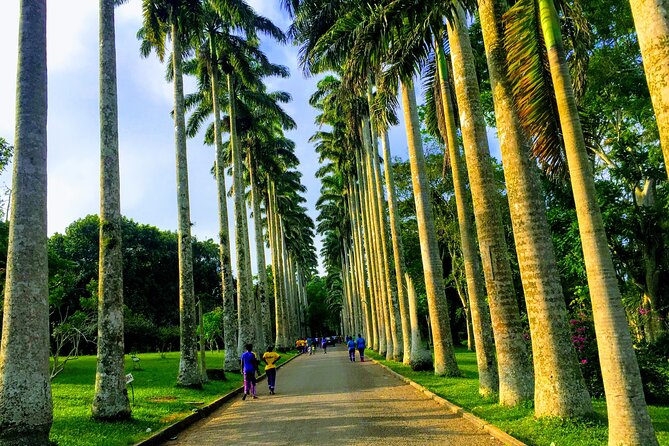
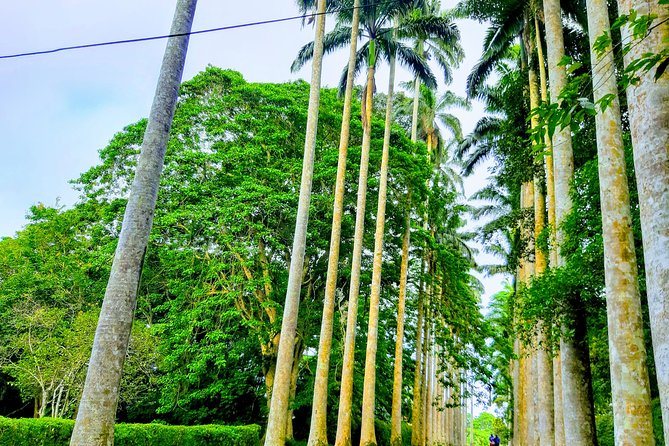
The first major stop is Aburi Botanical Gardens, opened in 1890. The garden is focused on protecting plant and animal species and contains trees and plants from different parts of the world.
I like this opening stop because it gives the day some shape. You are not just looking at pretty greenery. A guide can explain how plants are used for food, medicine, spices, and decoration, turning a simple walk into a lesson about daily life and the natural world.
The garden also carries a layer of Ghanaian and colonial-era history through the trees planted by past leaders. Names connected with plantings include Sir Gordon Guggisberg, General Olusegun Obasanjo, Jerry John Rawlings, Queen Elizabeth II, and Prince Charles. Those names help show how the garden has served as more than a local park.
Plan to walk at an easy pace for about an hour. The supplied experience information does not promise a specific route or particular plant list, so your visit will depend partly on the guide and what is in season. That is not a flaw, but it means you should think of the garden as a guided introduction rather than a tightly scripted botanical lecture.
The sensory side is part of the fun. One person described smelling flowers and spices, tasting cinnamon from its bark, and seeing a large tree overtaken by a parasite. Those moments give the garden a hands-on quality. You may find that the most memorable details are small ones: a scent, a texture, or a plant you would have walked past without explanation.
Wear light clothes and comfortable shoes. The paths are not a reason to bring serious hiking equipment, but this is still an outdoor walk, not a stop where you remain beside the vehicle.
Tetteh Quarshie Cocoa Farm and Ghana’s Cocoa Story
The next stop is the Tetteh Quarshie Cocoa Farm at Akuapim Mampong. The farm is associated with Tetteh Quarshie, who planted Ghana’s first cocoa farm in 1870.
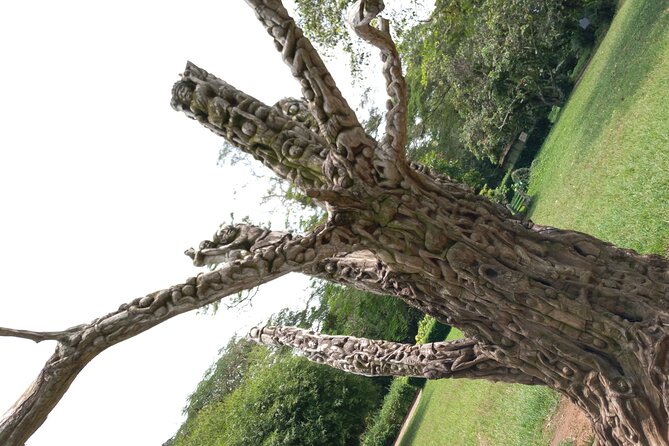
The strongest detail here is that two of the original trees planted by Tetteh Quarshie still remain and continue to bear fruit. That gives the visit a direct physical link to the beginning of Ghana’s cocoa industry. You are not only hearing about an old farming story. You can see living trees connected to it.
The guide takes you through cocoa production from planting and harvesting to fermentation. That sequence is valuable because most people know cocoa mainly as chocolate. At the farm, you can see the crop as an agricultural product and learn about the work required before it becomes something sold in shops.
Ghana is known for producing high-quality cocoa and is described as second in quantity after Ivory Coast. The farm helps place that national reputation in a real setting. Instead of treating cocoa as an abstract export, you see where the process begins and how local farming supports the wider economy.
The visit is scheduled for about 35 minutes, making it the shortest of the three stops. That should be enough for a focused explanation, but it may feel brief if you have a serious interest in agriculture or want extensive time for photographs.
One useful detail is the chance to buy beans locally. That gives you a direct way to support farming connected with the site, though purchases are not included in the tour price. You may also get to taste unripened cocoa, a small experience that helps you understand how different the raw fruit is from finished chocolate.
I would keep your expectations realistic. This is not a chocolate-making workshop, and there is no promise of a full meal or formal tasting menu. It is a short farm visit with an important origin story, a look at production, and the possibility of buying beans.
The Walk to Adom Waterfall
Adom Waterfall is the day’s most active stop. The hike takes about 20 minutes, and the waterfall visit lasts roughly 90 minutes in total.
The path leads through a forest, with the water running over layers of stratified rock. The setting is described as cool and calm, which makes a strong contrast with the heat and traffic of Accra. The waterfall has an upper and lower section, along with naturally formed pools.
This is where the tour becomes less about explanation and more about time outdoors. You can sit near the water, take photographs, or swim if conditions suit you. A swimsuit is recommended, and one person described the swim as refreshing. Since swimming is not guaranteed as a formal activity in every circumstance, bring one if you want the option.
The hike is short, but do not treat it as effortless. Comfortable shoes with a secure sole are more useful than sandals that slip or fashion shoes that you do not want to get muddy. Light clothes will help in warm weather, and a change of clothes would be sensible if you plan to enter the water, though the supplied information does not list one as a required item.
The waterfall’s two sections give the stop some variety. You may spend time at the pools, then follow a guide to a viewpoint or another part of the site. One particularly adventurous account describes going off the main path to see a picture-worthy view across the plains of the Aburi Mountains. That kind of detour should be treated as guide-dependent, not as a guaranteed part of every visit.
The waterfall is likely to be the visual high point of the day, but it is not necessarily the easiest. Wet rocks, forest paths, and the climb itself can make this portion harder than the garden or farm. If you have limited mobility, ask about the walking conditions before booking.
A completely different sort of day out of Ghana:
- From Accra: Cape Coast, Elmina Castle & Kakum Park Day Tour
★ 4.6 · 144 reviews - Accra Detailed City Tour
★ 4.5 · 118 reviews - Accra Guided City Tour Experience
★ 4.7 · 88 reviews - Accra Guided City Tour Experience
★ 5.0 · 76 reviews
Guides, Drivers, and the Human Side of the Day
The people leading this tour are a major part of its value. Suwaiba has been praised for arriving early, helping with comfort, and finding good photo spots. She was also described as hospitable and accommodating when touring with a 10-year-old.
Gian has been described as friendly and well informed. The local guides at the different stops add another layer, since the botanical garden and cocoa farm each require different kinds of explanation.
That arrangement matters. A driver can get you from Accra to the mountains, but a guide can help you notice the cinnamon bark, understand cocoa fermentation, or choose a better place for a photograph. The best moments on a nature day often come from knowing what to look at.
The driving also deserves attention. A careful driver is especially important when the route includes bumpy dirt roads. The positive account of safe driving is reassuring, though no countryside transfer should be mistaken for a smooth urban ride.
English is the stated tour language. If you need another language, the provided information does not confirm that one is available.
What the $150 Price Includes
At $150 per person, this is not the cheapest way to see the Aburi area. The price makes more sense when you add up what is included:
- Hotel pickup and drop-off in Accra
- Transportation
- Fuel surcharges
- Entrance fees
- Guide support
- Costs of the listed activities
You are still responsible for meals, international airfare, visa fees, immunizations, and travel insurance. Lunch is not included, although one detailed account described a delicious lunch afterward. Treat that as an opportunity that may be arranged during the day, not something covered by the stated package.
I see the price as reasonable for visitors who want one organized day covering several sites without arranging a vehicle, driver, admissions, and local guides separately. It is less compelling for someone who already has reliable transport in Ghana or wants to spend long hours at only one location.
The package also saves you from guessing about entrance costs and fuel surcharges. Those small extras can make a day more expensive than it first appears. Here, the main extra spending is likely to be food and any cocoa beans or other personal purchases.
Free cancellation up to 24 hours before the start gives you useful flexibility. You can also reserve now and pay later, which helps if your Accra plans are still shifting.
Who Will Enjoy This Nature Day Most?
I would recommend this tour to you if you want a broad introduction to the Aburi Mountains rather than a single focused activity. It works especially well for:
- First-time visitors based in Accra
- Plant lovers and amateur gardeners
- People curious about Ghanaian cocoa production
- Families with older children who can manage a short hike
- Photographers looking for plants, farms, forest, and waterfall views
- Anyone who wants a break from city streets without planning a full multi-day trip
The day can also suit a family. A 10-year-old reportedly enjoyed the outing, especially because it mixes discovery with movement. Still, the adult in charge should be ready to manage the walking, heat, slippery ground, and the possibility that a child may not want to hike back after swimming.
This is not the best choice if you want a slow, luxurious day with no exertion. The waterfall requires a hike, the garden requires walking, and the cocoa farm may involve uneven farm ground. It is also not designed around food, so anyone who needs a substantial meal at a fixed time should plan ahead.
Practical Tips for a Smoother Visit
Wear comfortable shoes from the start. You will use them in the garden, at the farm, and on the path to the waterfall, so changing footwear between stops would be more trouble than it is worth.
Choose light clothing suitable for warm outdoor conditions. If you want to swim, bring a swimsuit and consider packing dry clothes for the ride back.
Keep room in your schedule for road conditions. The formal stop times add up to three hours and five minutes, but the complete experience lasts seven hours because of transport and transitions.
Bring a phone or camera, but do not let photographs take over the day. The best picture stops may come from a guide who notices a view, unusual tree, or good angle that you would otherwise miss.
Budget separately for lunch and any cocoa purchases. The farm is a good place to support local producers by buying beans, but that cost is not covered.
Finally, tell your guide what interests you. If you care most about plants, cocoa, photography, swimming, or family pacing, saying so early may help shape the time at each stop.
Should You Book Nature Thrills?
Book it if you want a well-rounded nature day from Accra with transport and guiding handled for you. The combination is the real strength: Aburi Botanical Gardens gives you plants and history, Tetteh Quarshie Cocoa Farm explains a key Ghanaian crop, and Adom Waterfall provides time to slow down beside the water.
I would be more cautious if you dislike walking, need a fully accessible route, or expect meals and luxury comforts to be included. For everyone else, the $150 price offers a practical way to see three distinct sides of the Aburi area in seven hours. Bring good shoes, light clothes, a swimsuit if you want to swim, and enough curiosity to taste a little raw cocoa or cinnamon along the way.
FAQ
Where does the tour start and finish?
The tour includes pickup in Accra and returns you to Accra afterward.
How long does the experience last?
The full experience lasts seven hours.
What are the main stops?
The tour visits Aburi Botanical Gardens, Tetteh Quarshie Cocoa Farm, and Adom Waterfall.
How long is the visit to Aburi Botanical Gardens?
The guided garden visit lasts about one hour and includes walking and sightseeing.
How long is the cocoa farm visit?
The Tetteh Quarshie Cocoa Farm visit lasts about 35 minutes and includes a guided explanation of cocoa planting, harvesting, and fermentation.
How difficult is the walk to Adom Waterfall?
The hike to the waterfall takes about 20 minutes. Comfortable shoes and light clothing are advised.
Can I swim at Adom Waterfall?
The waterfall has naturally formed pools, and swimming is possible. A swimsuit is recommended if you want to swim.
Are meals included?
No. Meals are not included in the stated price.
What does the $150 price include?
The price includes fuel surcharges, transportation, entrance fees, guide support, activity costs in the schedule, and hotel pickup and drop-off.
Just added around Ghana
- Experience Cape Coast Castle and Kakum National Park★ 4.5 · 3 reviews
- Experience Northern Ghana In 10-Days★ 5.0 · 3 reviews
- Discover Ghana – Wli Waterfalls, Mountain Afadjato, Monkey Sanctuary & Akosombo.★ 4.5 · 3 reviews
- Cultural Tour Of Ghana And South Africa 12 Days★ 5.0 · 3 reviews
- Kumasi: City Tour★ 5.0 · 3 reviews
- Ghana: 2-Day Monkey Sanctuary, Waterfall and Hiking Tour★ 4.7 · 3 reviews
- Accra: City Highlights Half-day Guided Tour with Transfers★ 4.1 · 3 reviews
- Discover kumasi Tours★ 5.0 · 3 reviews