

Reviewed · KUMASI TOURS
Kumasi: City Tour
Kumasi rewards curious visitors. This five-hour private tour links the city’s key Ashanti sites, from the royal Manhyia Palace to the crowded lanes of Kejetia Market, then on to the Okomfo Anokye Sword Site and Prempeh Museum. I like the clear focus on local history, and I like that a live English-speaking guide leads the day rather than leaving you to piece the story together alone.
The tour is also practical: entry tickets and taxes are included, and the private format gives your group a more personal experience. Ibrahim earned praise for being friendly and well informed, while Prussia was described as upbeat and helpful. The main consideration is the walking and busy city setting. The tour is not suitable for people with mobility impairments or pregnant women, and food, drinks, and hotel pickup cost extra.
In This Review
- Key points at a glance
- Why this Kumasi tour works as a first introduction
- Starting at Manhyia Palace and the Ashanti royal story
- Walking through Kejetia Market and central Kumasi
- The Okomfo Anokye Sword Site and its mystery
- Local art at the Cultural Center
- Prempeh Museum and the everyday Ashanti past
- Guide quality and the value of a private group
- Price, planning, and who will enjoy it most
- Booking flexibility and final advice
- FAQ
- Where does the Kumasi City Tour begin?
- How long does the tour last?
- What language is the tour offered in?
- Is this a private tour?
- Are entrance tickets included?
- What should I bring?
Key points at a glance
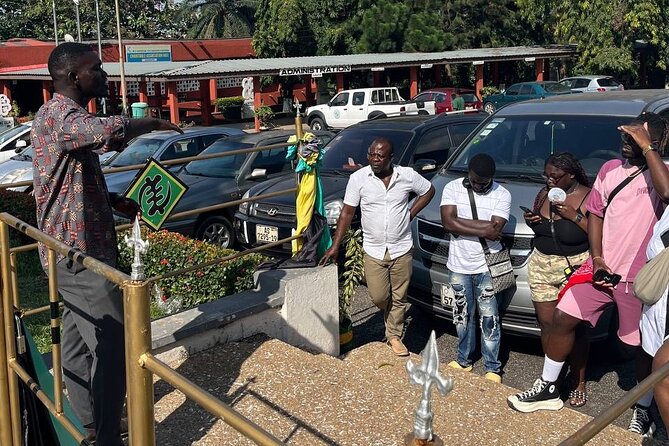
- Manhyia Palace opens the story of Ashanti royalty, introducing you to the seat of the Ashanti kingdom.
- Kejetia Market puts you in the middle of Kumasi’s daily trade, with a walk through the city’s central business area.
- The Okomfo Anokye Sword Site adds mystery and spiritual meaning, giving the tour more than a simple history lesson.
- Prempeh Museum explains how Ashanti people lived, balancing royal history with everyday customs and older ways of life.
- The Cultural Center supports local makers, with art and crafts made by Ghanaian artisans.
- A private five-hour format keeps the day focused, with an English-speaking guide and no need to join a large group.
Why this Kumasi tour works as a first introduction
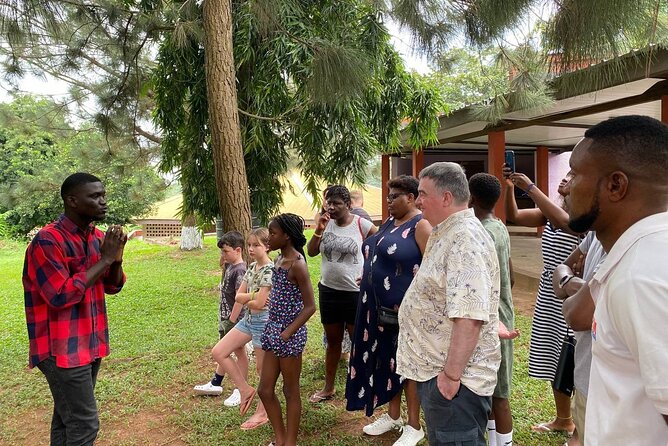
Kumasi can feel like several cities at once. It is a commercial center, a royal capital, a place of religious tradition, and a home for artists and craftspeople. This tour gives you a useful path through those different sides instead of treating the city as a quick stop between other Ghanaian destinations.
I especially like the order of the visits. You begin at Manhyia Palace, where the Ashanti kingdom provides the political and royal setting. Then you walk into Kejetia Market and the central business area, seeing how the modern city functions. The sword site shifts the mood toward belief and tradition, while the Cultural Center and Prempeh Museum finish the day with art and cultural explanation.
At $70 per person, this is not the cheapest way to spend five hours in Kumasi. Still, the cost includes admission to all listed sites, taxes, a private group, and a guide who can connect the places for you. If you want a planned cultural introduction rather than a series of separate visits, the price can be fair.
The tour has a perfect 5.0 rating from three verified bookings, including praise for the guides’ friendliness, flexibility, and ability to help visitors experience Kumasi in a local way. That small number of ratings cannot prove every day will be identical, but the repeated praise points to the guide as the key part of the experience.
More things to do in Kumasi:
- Bonwire Namimg Ceremony and Kente Tourist Center
★ 5.0 · 40 reviews - Tour Kumasi City Like a Local
★ 4.5 · 34 reviews - Traditional naming ceremony For African Diasporas in Kumasi
★ 5.0 · 10 reviews
Starting at Manhyia Palace and the Ashanti royal story
The usual meeting point is Manhyia Palace, though pickup from your destination is possible only if arranged as part of your plans. Starting here makes sense. The palace is described as the seating area of the Ashanti kingdom, so it gives the rest of the tour a clear frame.
You can expect your guide to introduce the role of the palace and the Ashanti kingdom before you move into the city. The value of this stop is not just the building itself. It helps you understand why Kumasi matters and why the later sites are connected to royal authority, tradition, and community life.
I would pay close attention to the guide here. A palace visit can become a quick photo stop if you only look at rooms and walls. With someone such as Ibrahim, who was praised for his explanations and friendly manner, you have a better chance of understanding the people and institutions behind the site.
The available information does not give a detailed list of palace rooms or exhibits, so you should not book this expecting a long museum-style visit with a fixed display list. Think of Manhyia Palace as the historical starting point and one of the main places where your guide sets the context.
Walking through Kejetia Market and central Kumasi
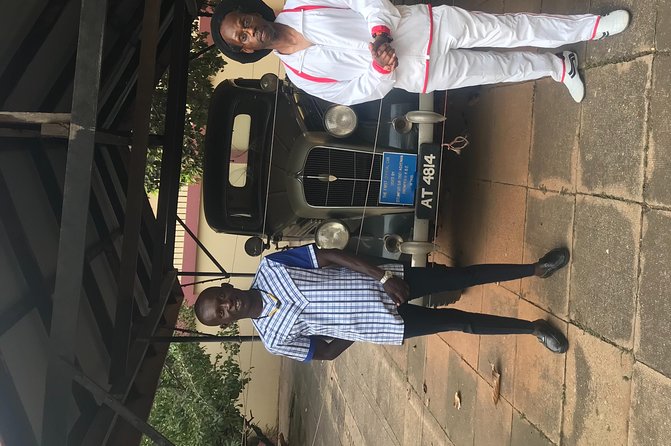
From the palace, the tour continues on foot through Kejetia Market and the central business area. This is likely the most energetic part of the day, and it is where you see Kumasi as a working city rather than only as a collection of monuments.
Kejetia is presented as the biggest open market in West Africa. The important point for you is scale and activity. You will be moving through a major trading space, not a tidy museum arranged for visitors. The market adds sound, movement, and ordinary commerce to the royal history introduced at the palace.
Your guide matters even more here. Market walks can be confusing without someone who knows how to keep the route clear and explain what you are seeing. The private group format should make it easier to ask questions, pause when needed, and stay with your own pace, though the tour still requires walking in a busy area.
Wear comfortable shoes, as advised, and bring water. Do not plan this portion as a relaxed shopping stroll with lots of empty space around you. It is part of a five-hour city tour, so the goal is to experience the market and central business district while moving toward the next stop.
Food and drinks are not included. That keeps the listed price simple, but you should plan your own refreshments rather than expecting a meal or drink break to be built into the tour.
The Okomfo Anokye Sword Site and its mystery
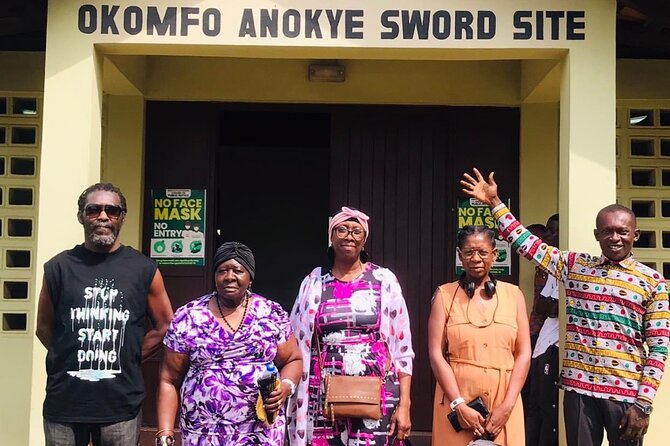
The Okomfo Anokye Sword Site provides the tour’s most distinctive stop. The purpose here is to uncover the mystery behind the sword, giving you a look at an important tradition tied to Ashanti identity and belief.
This visit changes the pace after the market. Kejetia shows the present-day rhythm of Kumasi, while the sword site asks you to consider the stories and customs that shaped the kingdom. I like that the itinerary includes this stop because it avoids reducing Ashanti culture to palace rooms and museum objects.
The supplied details do not explain exactly how the sword is displayed or how long the visit lasts. Your guide will be the best source for the local story and its meaning. Keep an open mind, listen carefully, and let the site be more than a quick stop for a photograph.
This is also one reason a private guide is useful. You can ask what the sword represents, why the site matters, and how it relates to the Ashanti kingdom. The tour description calls on you to unveil its mysteries, but the real value comes from hearing the explanation in context rather than trying to interpret the site alone.
More city tours in Kumasi:
- Kumasi City Tour
★ 5.0 · 8 reviews - Kumasi City Tour
★ 4.5 · 7 reviews - Lake Bosomtwe Boat Cruisely and Kumasi City Tours
★ 4.5 · 6 reviews - Kumasi City Tour
★ 4.5 · 3 reviews
Local art at the Cultural Center
The Cultural Center shifts attention from royal and spiritual traditions to creative work. Here, you can admire art and crafts made by local artisans.
This stop adds a useful present-day layer. A city tour focused only on palaces and old customs can make culture seem frozen in the past. The Cultural Center shows that local identity also appears in objects made and displayed by artists today.
You may find this a good place to look for a meaningful souvenir, though the available information does not specify what is sold, how prices are set, or whether purchases are part of the tour. I would enjoy the art first and shop only if something genuinely appeals to you.
The stop may also be a welcome change after the market. Instead of navigating a large trading area, you are given time to consider individual works and crafts. The tour description does not promise demonstrations or a workshop, so book this as a viewing stop rather than a hands-on class.
Prempeh Museum and the everyday Ashanti past
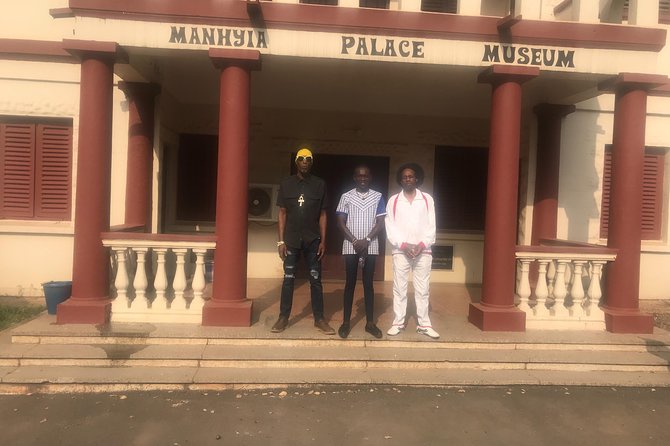
The final stop is the Prempeh Museum, where you learn more about ancient ways and how people of the Ashanti kingdom lived. Ending here gives the tour a personal and social finish after the palace and sword site.
Manhyia Palace represents the kingdom’s royal center. Prempeh Museum, by contrast, is intended to help you think about life and customs beyond the throne. That makes it an important part of the route, particularly if you want more than famous names and grand political events.
The museum is also where the day’s earlier visits can come together. The palace introduces authority, the market shows the city’s daily trade, the sword site brings in belief, and the museum explores older ways of living. A good guide can connect these pieces so the tour feels like one story rather than four unrelated attractions.
The exact collection and displays are not listed, so I would avoid expecting a specific set of objects. What you can count on is a cultural visit centered on the ancient ways of the Ashanti kingdom and the lives of its people.
Guide quality and the value of a private group
The strongest praise attached to this experience concerns the guides. Ibrahim was described as friendly and well informed, and Prussia was praised for being upbeat and friendly. Another booking called the guide accommodating, which is especially useful on a city walk with several different stops.
Because the tour is private, you travel with your own group rather than joining a large shared party. That can make a real difference in a market, where staying together and hearing explanations may be harder. It also gives you more room to ask questions about Ashanti history, customs, and the meaning of each site.
The tour is offered in English. If you need another language, this experience may not suit you, since English is the listed tour language.
The five-hour length is long enough to cover the four main areas without turning the day into a rushed checklist. At the same time, you should expect a fairly full outing. The market walk and movement between stops require energy, and the tour is not designed for visitors who need extensive mobility support.
Price, planning, and who will enjoy it most
At $70 per person, the tour includes entrance tickets to all sites and taxes. That makes the price easier to judge because several basic costs are already covered. You are paying mainly for a guided private route through Kumasi, not merely for transportation or admission.
Hotel pickup is not included. The stated meeting point is Manhyia Palace, so you should be ready to reach that location unless a pickup arrangement is confirmed. Food and drinks are also excluded, and you should bring water.
Bring a passport or ID card, as well as comfortable shoes. The ID requirement is easy to overlook, but it is listed among the important items, so do not leave it behind. Pregnant women and people with mobility impairments should choose another activity.
This tour suits you best if you want:
- A focused first look at Kumasi
- Ashanti royal and cultural history in one outing
- A guide-led walk through Kejetia Market
- A private group instead of a shared tour
- Art, crafts, museums, and historic sites together
- A five-hour plan with admissions already included
It may not suit you if you want a slow food tour, extensive shopping time, hotel pickup, or a full-day visit with many attractions beyond the listed route.
Booking flexibility and final advice
You can cancel up to 24 hours before the tour for a full refund. The reserve-now, pay-later option also gives you flexibility if your Kumasi schedule is still changing.
You should book this tour if you want a compact, guided introduction to the city and the Ashanti kingdom. The best reason to choose it is the combination of places: Manhyia Palace for royal context, Kejetia for present-day Kumasi, the Okomfo Anokye Sword Site for tradition, and the Cultural Center and Prempeh Museum for art and daily life.
I would skip it if your main priority is independent wandering or a food-focused day. For most first-time visitors who want a private cultural route and appreciate a friendly guide, the $70 price offers a sensible way to cover several important Kumasi sites in five hours.
FAQ
Where does the Kumasi City Tour begin?
The central meeting point is Manhyia Palace. Pickup from your destination may be available, but hotel pickup is not included.
How long does the tour last?
The tour lasts five hours.
What language is the tour offered in?
The live tour guide speaks English.
Is this a private tour?
Yes. The experience is offered for a private group.
Are entrance tickets included?
Yes. Entry tickets to all listed sites and all taxes are included.
What should I bring?
Bring water, a passport or ID card, and comfortable shoes. Food and drinks are not included.
Just added around Kumasi
- Discover kumasi Tours★ 5.0 · 3 reviews
- Kumasi City Tour★ 4.5 · 3 reviews
- Kumasi Culture and Heritage Tours★ 4.5 · 3 reviews
- Full Day Tour with Traditional Naming Ceremony in Kumasi★ 5.0 · 4 reviews
- Traditional Naming Ceremony For African Americans In Kumasi★ 5.0 · 5 reviews
- Lake Bosomtwe Boat Cruisely and Kumasi City Tours★ 4.5 · 6 reviews
- One day tour at Kumasi★ 5.0 · 6 reviews
- Kumasi City Tour★ 4.5 · 7 reviews
Kumasi Tours, compared.

Bonwire Namimg Ceremony and Kente Tourist Center
Read our review →

Traditional naming ceremony For African Diasporas in Kumasi
Read our review →

Lake Bosomtwe Boat Cruisely and Kumasi City Tours
Read our review →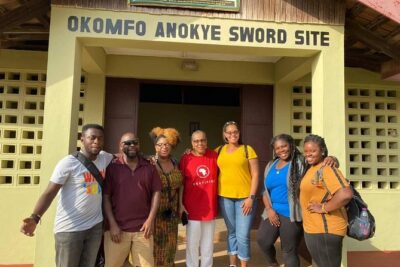
Traditional Naming Ceremony For African Americans In Kumasi
Read our review →Browse the lists this tour appears in