
Reviewed · ROOTS & HERITAGE TOURS
Kumasi Culture and Heritage Tours
Kumasi’s symbols tell stories. This six-hour private tour links the city’s cultural sights with the craft villages of Bonwire and Ntonso, where you can see kente weaving and try Adinkra stamping yourself. I like the hands-on approach, and I like that lunch, water, drinks, entry fees, and an air-conditioned vehicle are included. The main consideration is the $140 price, which makes the tour best value for visitors who want guided cultural access rather than a quick look at Kumasi’s sights.
You begin at 9:30 a.m. from Lancaster Kumasi City and return there at the end. Guide Yaw is praised for clear explanations, while Bilson is described as caring and helpful, so the quality of your day may depend partly on which guide leads your group. Since the tour is private, you avoid a large group, but the schedule and route may still feel full for six hours.
In This Review
- Key points at a glance
- Why this Kumasi tour is different
- Starting at 9:30 a.m. in central Kumasi
- Bonwire and the story of kente weaving
- Ntonso and the meaning of Adinkra symbols
- Museums, markets, and Kumasi’s wider culture
- What the guide adds to the day
- What is included for $140
- Who will enjoy this most
- Timing, comfort, and cancellation
- Should you book the Kumasi Culture and Heritage Tour?
- FAQ
- How long is the Kumasi Culture and Heritage Tour?
- What time does the tour start?
- Where does the tour begin?
- Where does the tour end?
- Is pickup available?
- Is this a private tour?
- What is included in the price?
- Are personal purchases included?
- What will I do at Ntonso?
- Can I cancel for a full refund?
Key points at a glance
- Ntonso Adinkra village: Learn how traditional symbols are made and what they communicate.
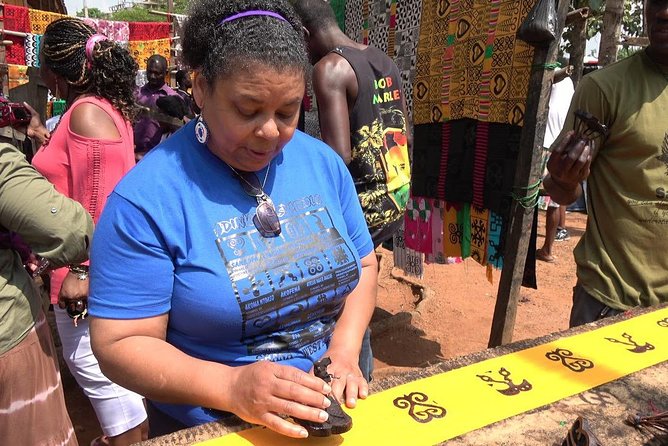
- Hands-on stamping: Pound dye from the buddy tree, choose fabric colors, and stamp your own textile.
- Bonwire kente connection: Visit the place associated with the beginning of kente weaving in Kumasi.
- Private transportation: Travel in an air-conditioned vehicle with pickup offered and a return to the starting point.
- Included meals and drinks: Lunch, bottled water, and other drinks are part of the tour price.
- Flexible cancellation: Cancel at least 24 hours before departure for a full refund, subject to the weather policy.
Why this Kumasi tour is different
Kumasi can be hard to understand if you only see its roads, shops, and major buildings. The meaning is often found in the objects people make: a strip of kente cloth, a stamped Adinkra sign, or a symbol placed on furniture and buildings.
This tour gives those objects a setting and a story. Instead of treating traditional crafts as souvenirs alone, it explains how they carry messages about sorrow, wisdom, farewell, identity, and community. That makes the day useful for first-time visitors who want more context than a self-guided market visit usually provides.
I also like the balance between looking and doing. You are not limited to watching a demonstration. At Ntonso, you get the chance to work with fabric and stamps yourself. The activity may be simple, but it gives you a better sense of the skill behind the finished cloth.
The tour is private, so only your group participates. That matters if you want to ask questions, pause for photographs, or spend more time on the craft demonstration. It also means you are not sharing the day with a busload of strangers.
More roots and heritage tours in Kumasi:
- Ghana Heritage Tours – Beyond The Return
★ 5.0 · 36 reviews - 10 Days Ghana Cultural and Heritage Trip
★ 5.0 · 31 reviews - The Ancestral Naming Ceremony and Home Coming Experience
★ 5.0 · 30 reviews
Starting at 9:30 a.m. in central Kumasi
The stated meeting point is Lancaster Kumasi City, on Rain Tree Street along Lesley Opoku-Ware Drive. Pickup is offered, but the information supplied does not give a separate pickup schedule or a list of pickup areas. Confirm the exact arrangements when you book.
A 9:30 a.m. start gives you a full morning and afternoon without requiring a very early departure. The full outing lasts about six hours, so you should plan for a substantial half-day rather than a short city stop.
Your transport is an air-conditioned vehicle. In Kumasi’s warm conditions, that is more than a small comfort, especially when you are moving between the city and craft villages. The experience ends back at the meeting point, which makes it easier to plan another activity afterward, though the return time will depend on the day’s traffic and pace.
Because this is a private activity, you can use the ride to ask about Ashanti culture, local customs, kente, or Adinkra. I would come with a few questions ready. A guide can turn the drive between stops into useful background rather than empty travel time.
Bonwire and the story of kente weaving
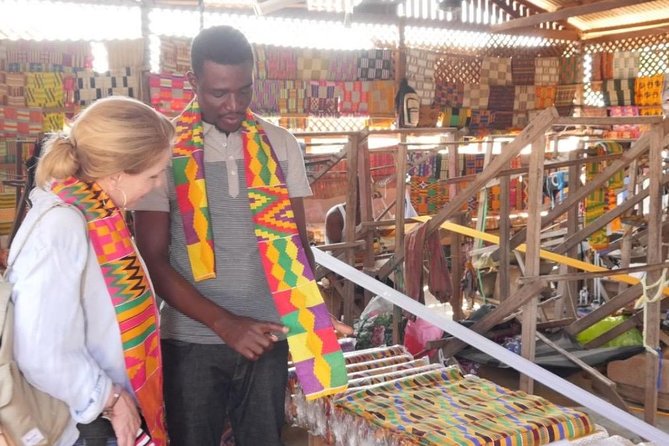
One of the tour’s main cultural stops is Bonwire, identified as the place where kente weaving began in the Kumasi area. The story connected with the craft includes the spider web, a detail that gives the cloth tradition a memorable point of reference.
Kente is not simply colorful material. The cloth is made from narrow woven strips, and the patterns and colors can carry meaning. At Bonwire, you can see the process more closely and get a sense of how much care goes into a finished piece.
The practical value here is clear. A shop visit can show you beautiful cloth, but a weaving stop helps you understand why the price of a piece may vary and why handmade textiles deserve careful attention. You may also have a chance to buy kente, but personal purchases are not included in the tour price.
That last point is worth keeping in mind. The tour covers the entrance fees and activities listed, but your own fabric, clothing, or craft purchases are extra. If you want an authentic kente item, set aside a separate budget and ask about the difference between decorative fabric and cloth intended for regular wear.
The information provided does not give an exact length of time at Bonwire or promise that every visitor will weave a complete piece. Think of it as a guided introduction to the craft, with the possibility of seeing or trying the process, not as a full weaving course.
Ntonso and the meaning of Adinkra symbols

The visit to Ntonso is the heart of the day. This village is associated with Adinkra stamping, a traditional art in which symbols are placed on cloth and other objects.
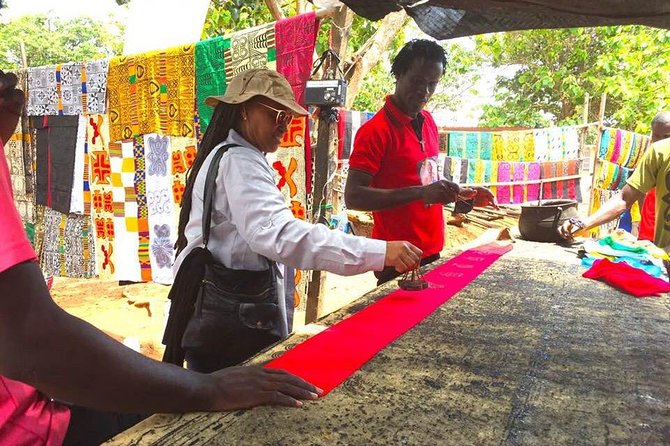
Adinkra symbols are not random decoration. They communicate ideas and messages. They can be painted on pottery, carved into furniture, and used on buildings. The tour explains the history and meaning behind the symbols, including those linked with sorrow and farewell to someone who has died.
That context gives the workshop more weight. You are not merely pressing a pretty shape into fabric. You are learning that a symbol may refer to wisdom, grief, remembrance, or another part of Ghanaian custom. The exact symbols available for your activity can vary, so ask the guide to explain the ones you choose.
The demonstration is made more interesting by the traditional dye process. The supplied information describes pounding the buddy tree into dye before selecting a preferred fabric color. You then stamp the cloth yourself, using the carved symbols like a local craft worker.
This is the sort of activity that works well for families, couples, and anyone who prefers a cultural visit with a physical element. You will probably leave with a better memory because your hands took part in the process. It also gives you an object connected to the day, although the information does not state whether your stamped fabric is included as a finished souvenir or whether additional purchases cost extra.
Take your time with the explanations. It is easy to focus on color and pattern while missing the message. I would ask about the symbol’s name, its meaning, and when people traditionally use it.
More things to do in Kumasi:
- Bonwire Namimg Ceremony and Kente Tourist Center
★ 5.0 · 40 reviews - Tour Kumasi City Like a Local
★ 4.5 · 34 reviews - Traditional naming ceremony For African Diasporas in Kumasi
★ 5.0 · 10 reviews - Kumasi City Tour
★ 5.0 · 8 reviews
Museums, markets, and Kumasi’s wider culture
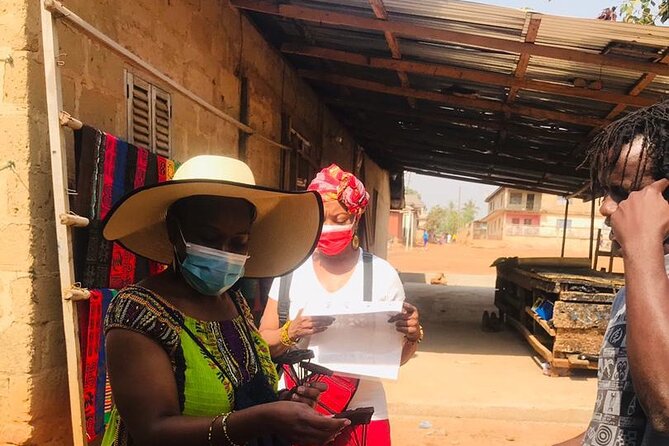
The tour is also described as including museums and markets that highlight kente, Adinkra, and other traditional pastimes. These city stops help connect the village workshops with everyday Kumasi.
A museum can give you a wider frame for what you see in Bonwire and Ntonso. A market, by contrast, puts the crafts in a more practical setting, where textiles and other goods are displayed for sale. Together, these stops can help you compare handmade work, finished products, and the cultural symbols used beyond the workshop.
The exact museum and market names are not specified, so I would not book this expecting a fixed checklist of famous institutions. The strongest part of the day is the direct craft experience. The city stops are useful additions, but the timing and depth of each one may depend on traffic, opening arrangements, and your guide.
You should also remember that shopping is optional and not covered. The tour includes transport and guidance, but you pay for anything you decide to take home. Keep purchases modest if you have limited luggage space, especially with folded kente fabric or larger decorative pieces.
What the guide adds to the day
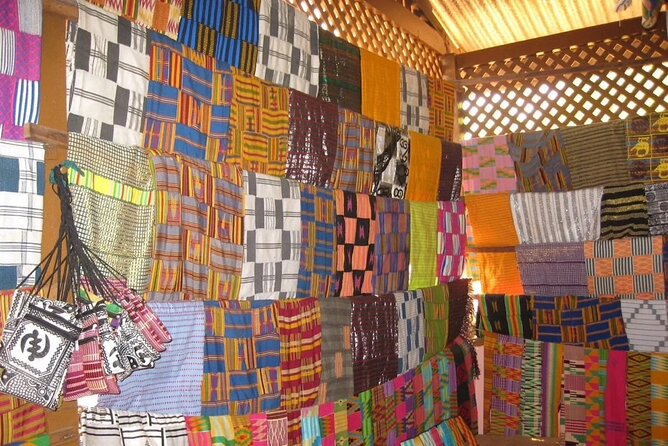
A cultural tour succeeds or fails on explanation. Cloth and symbols can be interesting on their own, but a good guide helps you understand why they matter.
Yaw is praised for giving historical and cultural explanations and for making the practical demonstration easy to follow. Bilson is described as caring during a kente and Adinkra outing. Those details suggest a personal style rather than a quick run through the stops, though guide assignments are not guaranteed.
Since the tour is private, you can shape the conversation. If you are interested in funeral customs, ask about the Adinkra symbols connected with farewell. If you care more about textiles, ask how kente is woven, how patterns differ, and what to look for when buying cloth.
The best approach is to stay curious without treating the workshop as a performance staged only for photographs. Listen to the explanation, try the stamping carefully, and ask before handling materials or photographing people at work.
What is included for $140
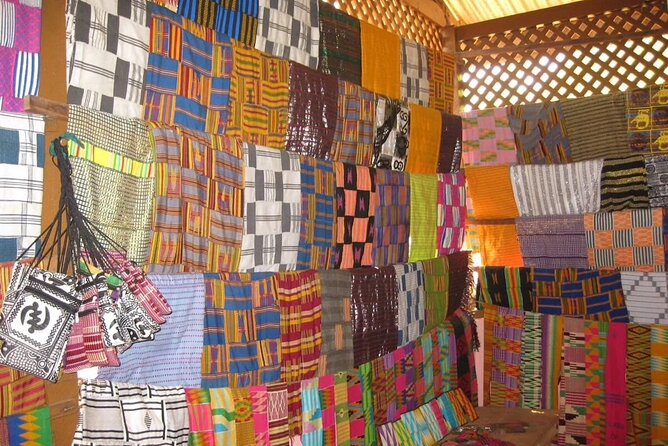
At $140 per person, this is not the cheapest way to see Kumasi. Its value comes from the number of services bundled into one private half-day: an air-conditioned vehicle, guide service, entrance fees, lunch, bottled water, and drinks.
That package can make sense if you would otherwise need to arrange separate transport to Bonwire and Ntonso, negotiate local visits, find lunch, and pay entry fees along the way. The private format adds value for a small group that wants direct attention.
For a solo visitor, the price may feel high because there is no group to share the cost with. For two or more people, especially those who value comfort and a planned route, the price becomes easier to justify.
The craft purchases are not included. You should treat the $140 as the cost of the guided day, not the final cost if you plan to buy kente, stamped cloth, or other goods. Ask about prices before committing to an item, and do not feel obliged to purchase.
Lunch is provided, but no menu or dietary information is supplied. If you have food restrictions, tell the operator when booking rather than waiting until the day begins.
Who will enjoy this most
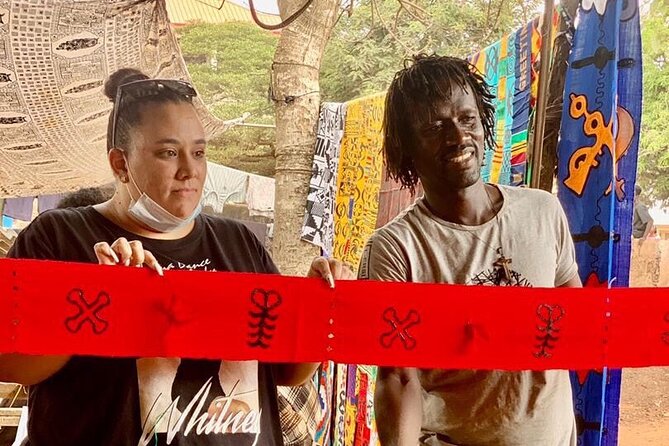
I would recommend this tour to you if you want cultural context and direct contact with traditional crafts. It suits first-time visitors to Kumasi, couples, families, and small private groups that prefer a guide over arranging village visits alone.
It is also a good fit if you enjoy making something with your hands. The Adinkra stamping activity is more personal than simply walking through a market, and the kente stop gives you a clearer idea of how the cloth is made.
You may want a different plan if your main goal is a long shopping session, a detailed museum program, or a slow visit focused on one site. Six hours covers several themes, so the day may feel busy. The supplied details do not promise extended time at every museum, market, or village.
This is not presented as a specialized textile course. You get an introduction, demonstrations, explanations, and a chance to try the craft. That is enough for most visitors, but serious textile students may want a longer workshop.
Timing, comfort, and cancellation
Wear clothing that allows easy movement and shoes suitable for standing during demonstrations. The provided information does not list a formal dress code or walking distance, so practical, comfortable clothing is the safest choice.
Bring room for a small purchase and protect your phone or camera when working with dye. The tour includes bottled water and drinks, but you may still want personal water if you prefer to sip often in the heat.
Confirmation is provided at booking, and most people can participate. No special accessibility details are supplied, so contact Bilson Tours Gh if you need information about vehicle access, walking, or workshop arrangements.
You can cancel for a full refund if you do so at least 24 hours before the 9:30 a.m. start time. Cancellations or changes made within 24 hours are not refunded. The tour also depends on good weather. If poor weather causes cancellation, you are offered another date or a full refund.
Should you book the Kumasi Culture and Heritage Tour?
Book it if you want to understand Kumasi through kente and Adinkra rather than simply pass through its markets. The strongest reasons are the private vehicle, the guide-led cultural explanations, and the chance to stamp your own fabric at Ntonso.
I would especially choose it if you have one day for Kumasi and want transport, lunch, drinks, entry fees, and the main craft stops handled together. The $140 cost is easier to defend when those inclusions matter to you.
Think twice if you are traveling alone on a tight budget or want a slow, highly specialized workshop. For everyone else, this is a practical way to connect Kumasi’s cultural traditions with the people and places that keep them in use.
FAQ
How long is the Kumasi Culture and Heritage Tour?
The tour lasts approximately six hours.
What time does the tour start?
The scheduled start time is 9:30 a.m.
Where does the tour begin?
It begins at Lancaster Kumasi City, Rain Tree Street, Lesley Opoku-Ware Drive, Kumasi, Ghana.
Where does the tour end?
The activity ends back at the meeting point.
Is pickup available?
Pickup is offered, though the supplied information does not specify the pickup areas or exact pickup arrangements.
Is this a private tour?
Yes. Only your group participates in the activity.
What is included in the price?
The price includes entrance fees, an air-conditioned vehicle, lunch, bottled water, drinks, and tour guide service.
Are personal purchases included?
No. Items you choose to buy are not included in the tour price.
What will I do at Ntonso?
You will learn about Adinkra symbols, see how the dye is made by pounding the buddy tree, choose a fabric color, and stamp fabric yourself.
Can I cancel for a full refund?
Yes, if you cancel at least 24 hours before the experience start time. Cancellations within 24 hours are not refunded. If poor weather causes the tour to be canceled, you are offered a different date or a full refund.
More History Tours in Kumasi
- Experience the Beauty, History and the Culture Of Accra in a Day
★ 5.0 · 323 reviews - Cape Coast Historical Day Tour
★ 5.0 · 24 reviews - Full-Day Private Culture and History Tour of Accra
★ 5.0 · 23 reviews - Ghana Private Historic Tour through Castles and Nature
★ 5.0 · 18 reviews
Just added around Kumasi
- Kumasi: City Tour★ 5.0 · 3 reviews
- Discover kumasi Tours★ 5.0 · 3 reviews
- Kumasi City Tour★ 4.5 · 3 reviews
- Full Day Tour with Traditional Naming Ceremony in Kumasi★ 5.0 · 4 reviews
- Traditional Naming Ceremony For African Americans In Kumasi★ 5.0 · 5 reviews
- One day tour at Kumasi★ 5.0 · 6 reviews
- Lake Bosomtwe Boat Cruisely and Kumasi City Tours★ 4.5 · 6 reviews
- Kumasi City Tour★ 4.5 · 7 reviews
Roots & Heritage Tours, compared.
The Ancestral Naming Ceremony and Home Coming Experience
Read our review →
The Homecoming Experience To Cape-coast And Elmina.
Read our review →
Cape Coast/Elmina Slave Dungeon and Canopy Walkway Private Tour
Read our review →
Assin Manso Slave River, Cape Coast and Elmina Castle Day Tour
Read our review →
Cape Coast Castle, Assin Manso Slave River & Kakum Day Tour.
Read our review →
7-Day Private Cultural and Heritage Tour in Ghana
Read our review →Browse the lists this tour appears in