

Reviewed · KUMASI TOURS
Kumasi City Tour
Kumasi starts with royal history. This four-hour cultural outing links the Manhyia Palace Museum, military collections, Ashanti royal objects, and the famous Okomfo Anokye Sword Site in one compact morning. I like the included admission at every listed stop, and I like the small group limit of 15, which should leave room for questions. The main thing to consider is that the schedule is full, with about an hour assigned to each location.
The tour costs $60 per person and begins at 8:00 am. I especially like the focus on Ashanti culture rather than a quick drive past landmarks, plus the guide’s praised English and friendly manner. The trade-off is that the meeting information lists Manhyia Palace as the starting point and Prempeh II Jubilee Museum as the endpoint, so you should confirm the exact pickup plan before setting out.
In This Review
- Five useful things to know before you go
- Why this Kumasi tour works well
- Starting at Kumasi Fort and the Ghana Armed Forces Museum
- Meeting Ashanti royalty at Manhyia Palace Museum
- Seeing the personal world of Prempeh II
- The Okomfo Anokye Sword Site
- What you may notice beyond the museums
- Timing, group size, and the value of $60
- How to prepare for a smooth morning
- Who should book this Kumasi tour?
- Should you book it?
- FAQ
- How much does the Kumasi City Tour cost?
- How long does the tour last?
- What time does the tour start?
- Where does the tour start?
- How many people can join the tour?
- Can I cancel for a full refund?
Five useful things to know before you go
- Four major stops in four hours: Expect a brisk morning covering military history, royal artifacts, Ashanti traditions, and the Okomfo Anokye Sword Site.
- Admission is included: Entry is included at the Ghana Armed Forces Museum, Manhyia Palace Museum, Prempeh II Museum, and sword site.
- Small group size: The tour accepts a maximum of 15 participants, a practical size for museum explanations and questions.
- 8:00 am start: An early beginning gives you a clear plan for the morning, but punctuality matters on a tightly timed route.
- Pickup is offered: Public transportation is nearby, and pickup is available, though you should confirm the precise meeting arrangement.
- Free cancellation: You can cancel at least 24 hours before the local start time for a full refund.
Why this Kumasi tour works well
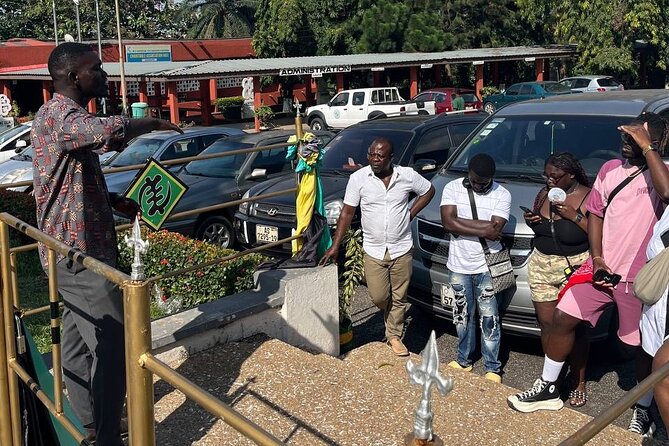
Kumasi is best understood through its Ashanti institutions, not only through photographs taken from a car. This tour gives you several ways to read the city: military conflict, royal authority, craftsmanship, spiritual tradition, and everyday movement through the central market district.
I like that the stops are different from one another. The Ghana Armed Forces Museum gives you a colonial and military frame. Manhyia Palace places the Asante Kingdom at the center. Prempeh II Museum brings the story down to personal objects and household details. The sword site then connects history with a powerful traditional symbol.
That mix makes the $60 price easier to assess. You are paying for roughly four hours, four admissions, a guide, and a structured route through important sites. It is not a full-day food tour or a long walking tour of every corner of Kumasi, but it offers a focused introduction without making you arrange several museums yourself.
The tour is also limited to 15 people. That does not guarantee a private conversation, but it is more manageable than a large coach group. A good guide can explain an object, answer a question, and keep the group moving without turning the morning into a museum stampede.
More things to do in Kumasi:
- Bonwire Namimg Ceremony and Kente Tourist Center
★ 5.0 · 40 reviews - Tour Kumasi City Like a Local
★ 4.5 · 34 reviews - Traditional naming ceremony For African Diasporas in Kumasi
★ 5.0 · 10 reviews
Starting at Kumasi Fort and the Ghana Armed Forces Museum
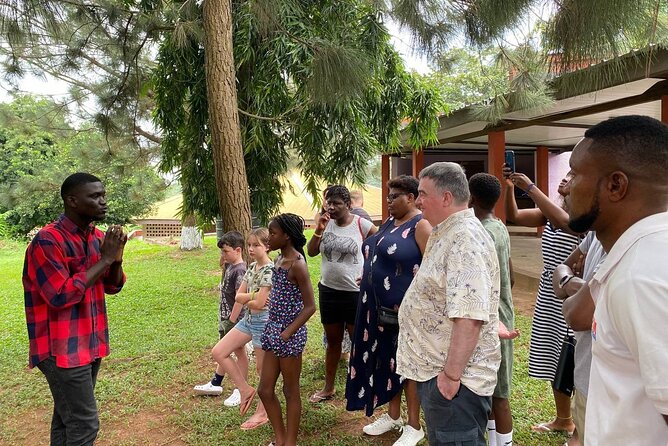
The first scheduled stop is Kumasi Fort, home to the Ghana Armed Forces Museum. Allow about an hour here. The collection includes military equipment, weapons, flags, decorations, armored vehicles, portraits, and photographs.
This is a useful opening because it gives you a wider political frame for Kumasi. The displays cover the British Asante War and the Second World War, along with Ghana’s movement from the colonial period toward the present day. The museum is not simply a display of uniforms and machinery. It helps explain how power, conflict, and government shaped the country.
I would pay close attention to the photographs and personal objects. Large equipment catches the eye, but portraits, flags, and decorations often give a better sense of how official history was presented. Your guide can help connect those items with the wider story of Ghana.
The drawback is time. One hour is enough for an introduction, but not for a slow examination of every display. If military history is your main interest, you may want more time than the schedule allows. If it is not your main interest, the guide’s explanation should help you focus on the most important material instead of wandering through cases without context.
Meeting Ashanti royalty at Manhyia Palace Museum
Manhyia Palace Museum is one of the key reasons to choose this tour. It was opened in 1995 during the Silver Jubilee celebration connected with the ascension of the Golden Stool. The museum is modest in size, but its objects carry considerable importance for the Asante Kingdom.
You can expect historic artifacts, war talismans, and other royal treasures. This is where the tour shifts from national military history to the authority and traditions of Ashanti kingship. The palace setting adds meaning, since you are not viewing royal objects in an unrelated modern gallery.
I like the scale of this stop. A small museum can be easier to understand than a huge institution with too much material and too little explanation. With a guide, you can spend your hour learning what particular objects represented, rather than simply reading labels.
The palace also gives the tour a strong sense of place. Kumasi is closely tied to Ashanti political and cultural life, and Manhyia helps you see why. The stop should suit anyone interested in royal institutions, African history, ceremonial objects, or the continuing importance of tradition.
One practical point needs attention. The meeting details identify Manhyia Palace, at P93P+M2Q, as the starting point, while the route description places it after the military museum. Since pickup is offered, the operator may arrange transport before this stop, but the information is not perfectly clear. Confirm where you will actually meet at 8:00 am.
Seeing the personal world of Prempeh II
The Prempeh II Museum is smaller than a major national museum, but that is part of its appeal. The included personal tour introduces you to Ashanti culture through objects linked with King Prempeh II.
The displays include war clothing, ceremonial garments, jewelry, protective talismans, bathing and dining accessories, furniture, royal emblems, and brass weights used to measure gold. Those details matter because they show a ruler as more than a name in a history book. You see ceremony, protection, daily habits, status, and material skill in one place.
The building is designed to resemble an Ashanti chief’s residence. A front courtyard and walls decorated with traditional carved symbols help frame the objects. This setting gives the museum a more intimate feeling than a standard display hall.
I would give the guide’s explanation particular attention here. The museum’s size means the quality of interpretation matters. A good English-speaking guide can explain why a talisman mattered, how brass weights were used, and what royal clothing communicated. The tour’s strongest praise centers on the guide’s clear English, pleasant manner, and ability to make the places interesting.
There is a small scheduling puzzle here as well. The stated endpoint is the Prempeh II Jubilee Museum, at P929+HXX, and the information says this is where the tour is supposed to finish. The itinerary places the Prempeh II Museum as the third stop, followed by the Okomfo Anokye Sword Site. Ask whether the final museum and the Prempeh II Museum refer to the same location, or whether the route ends after the sword site. That clarification will help you plan your next move.
More city tours in Kumasi:
- Kumasi City Tour
★ 4.5 · 7 reviews - Lake Bosomtwe Boat Cruisely and Kumasi City Tours
★ 4.5 · 6 reviews - Kumasi: City Tour
★ 5.0 · 3 reviews - Kumasi City Tour
★ 4.5 · 3 reviews
The Okomfo Anokye Sword Site
The final listed stop is the Okomfo Anokye Sword Site. A small museum protects the famous sword associated with Okomfo Anokye, which is described as immovable after being driven into the ground.
This is a short but meaningful stop. The sword is not important only as an object. It connects the tour to Ashanti spiritual tradition and to the stories that helped shape the kingdom’s identity. After military artifacts and royal possessions, the sword offers a different kind of historical evidence, one rooted in belief and ceremony.
Because the museum is small and the stop is assigned about an hour, the guide’s context will again make the difference. You may find the site more powerful if you treat it as a place of cultural meaning rather than expecting a large collection of exhibits.
The information says the tour ends at the Prempeh II Jubilee Museum, but also lists the sword site last. This is the clearest reason to ask for a confirmed route before booking or before departure. It does not necessarily spoil the tour, but knowing the actual endpoint is useful if you have lunch plans, a hotel transfer, or another appointment.
What you may notice beyond the museums
The tour description presents Kumasi as a city of sound, smell, and movement, not just a series of indoor displays. You may hear local music, notice the aromas of Ghanaian street food, and pass through the energetic Kejetia Market area.
Kejetia is named among the city’s major attractions, but the timed stop list does not assign it a separate hour. That means you should not assume this is a dedicated market visit with time to shop or eat. It is safer to view the market as part of the wider city setting unless the operator confirms a specific stop.
This distinction matters. If your main goal is buying fabric, tasting street food, or spending time among market stalls, you may need a separate visit. If you want a guided introduction to Kumasi’s main cultural landmarks, the market atmosphere adds useful context between museum stops.
Street food is also mentioned as part of the city’s character, but a meal is not listed as an included feature. Bring your appetite for the sights and smells, but do not count on lunch being part of the $60 price unless you confirm it directly.
Timing, group size, and the value of $60
Four hours sounds generous until you divide the morning among four one-hour stops. Add pickup, transfers, introductions, and the need to keep a group together, and you have a well-planned but fairly brisk outing.
That pace suits you if you want a clear overview of Kumasi in one morning. It is less suitable if you prefer to linger over every artifact or spend a long time browsing a market. I would choose this tour early in a Kumasi stay, then return independently to the place that interests you most.
The $60 fee includes admission at all four listed attractions. That is a real advantage, since you do not need to budget separate entry costs at each museum. Pickup is offered, the tour is close to public transportation, and mobile tickets make the practical side simple.
The maximum group size is 15. Families, solo visitors, and first-time visitors to Kumasi may find that size comfortable. History enthusiasts should also appreciate having a guide available across several connected subjects. The tour is open to most participants, according to the supplied information, though no detailed accessibility description is provided.
The tour requires a minimum number of participants for confirmation. You receive confirmation when booking, but this condition means the outing depends on enough people signing up. Keep that in mind if your Kumasi schedule is tight and you cannot easily shift plans.
How to prepare for a smooth morning
Start by confirming the meeting point. The listed start is Manhyia Palace at 8:00 am, but pickup is also offered and the sequence has a few unclear points. Ask for the exact pickup location, the first stop, and the final drop-off point.
Wear something suitable for a morning that may include movement between several sites. The tour itself lasts about four hours, so you will want to stay comfortable while listening to explanations and looking at displays.
Keep your morning open after the stated finish. The scheduled duration is approximate, and transfers or group pacing can affect the end time. The city’s public transportation is nearby, which gives you another option once the tour finishes.
Finally, use the guide actively. The most praised qualities are clear English, strong knowledge of the places, and a warm, courteous manner. Ask about the Golden Stool, royal symbols, brass weights, war talismans, and the meaning attached to the sword. Those questions will help turn a short museum visit into a more connected story.
Who should book this Kumasi tour?
I would recommend it to you if this is your first visit to Kumasi and you want a compact introduction to Ashanti culture. It is also a good choice if you prefer organized sightseeing, included admission, and a guide who can connect objects across several locations.
History and culture enthusiasts are the natural audience. The military museum suits anyone curious about Ghana’s colonial and wartime past. The palace and Prempeh II Museum suit you if royal traditions, clothing, jewelry, ritual objects, and craftsmanship interest you. The sword site adds a spiritual and symbolic layer.
You may want another plan if your priority is a long market visit, a dedicated food outing, or a slow photographic tour. Kejetia Market and street food contribute to the atmosphere, but they are not given separate, clearly timed sections in the four-hour schedule.
At $60, the strongest value comes from the combination of four admissions, a local guide, and a carefully selected set of cultural sites. I would book it if you want structure and context. I would hesitate only if you need a fully private pace or exact certainty about the route and endpoint before departure. In that case, confirm those details first.
Should you book it?
Yes, if you want Kumasi’s major cultural themes explained in one morning. The tour brings together military history, Ashanti royalty, Prempeh II’s personal world, and the Okomfo Anokye sword in a way that is easy to follow.
Book with two practical questions in mind: Where exactly will pickup occur at 8:00 am, and does the tour end at the sword site or the Prempeh II Jubilee Museum? Once those points are clear, the included entry, small group size, friendly English-speaking guide, and focused four-hour route make this a sound introduction to Kumasi.
FAQ
How much does the Kumasi City Tour cost?
The price is $60 per person. Admission is included at each of the four listed attractions.
How long does the tour last?
The tour lasts approximately four hours.
What time does the tour start?
The stated start time is 8:00 am.
Where does the tour start?
The listed starting point is Manhyia Palace, P93P+M2Q, Palace, Kumasi, Ghana. Pickup is offered, so confirm the exact arrangement when booking.
How many people can join the tour?
The maximum group size is 15 participants. A minimum number of participants is required for the tour to be confirmed.
Can I cancel for a full refund?
Yes. You can cancel at least 24 hours before the local start time for a full refund. Cancellations or changes made less than 24 hours before the start are not accepted for a refund.
Just added around Kumasi
- Kumasi: City Tour★ 5.0 · 3 reviews
- Discover kumasi Tours★ 5.0 · 3 reviews
- Kumasi City Tour★ 4.5 · 3 reviews
- Kumasi Culture and Heritage Tours★ 4.5 · 3 reviews
- Full Day Tour with Traditional Naming Ceremony in Kumasi★ 5.0 · 4 reviews
- Traditional Naming Ceremony For African Americans In Kumasi★ 5.0 · 5 reviews
- One day tour at Kumasi★ 5.0 · 6 reviews
- Lake Bosomtwe Boat Cruisely and Kumasi City Tours★ 4.5 · 6 reviews
Kumasi Tours, compared.

Bonwire Namimg Ceremony and Kente Tourist Center
Read our review →

Traditional naming ceremony For African Diasporas in Kumasi
Read our review →

Lake Bosomtwe Boat Cruisely and Kumasi City Tours
Read our review →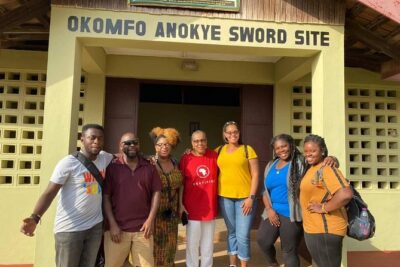
Traditional Naming Ceremony For African Americans In Kumasi
Read our review →
Full Day Tour with Traditional Naming Ceremony in Kumasi
Read our review →Browse the lists this tour appears in