
Reviewed · KUMASI TOURS
Tour Kumasi City Like a Local
Kumasi rewards curiosity. This half-day tour gives you a useful first look at Ghana’s second-largest city, with stops that explain Ashanti power, royal tradition, spiritual belief, and daily commerce. I especially like the mix of major cultural sites and ordinary city life, plus the chance to eat local food and walk through Kejetia Market. I also like that the experience is private, so Bilson Tours Gh can adjust the pace to your group.
The main point to consider is transport. Some groups have used local vehicles, taxis, tuk-tuks, and walking between stops rather than one dedicated tour vehicle. That can feel wonderfully local, but it may also make the day less smooth for anyone expecting door-to-door rides.
In This Review
- Key Points Before You Book
- Why Kumasi Makes a Strong First Stop in Ghana
- Manhyia Palace Museum: The Ashanti Story Begins
- Okomfo Anokye Sword Site and the Golden Stool
- Prempeh II Museum: Royal Objects Up Close
- Kejetia Market: Kumasi at Full Volume
- Local Food and the Everyday Side of Kumasi
- What the Local Transport Says About the Tour
- Bilson Tours Gh and the Private Format
- Is $80 a Fair Price for Five to Six Hours?
- Who Will Get the Most from This Kumasi Tour?
- Should You Book Tour Kumasi City Like a Local?
- FAQ
- How long does Tour Kumasi City Like a Local last?
- What places are included in the tour?
- Is lunch included?
- Is transportation included?
- Is this a private tour?
- What does the $80 price include?
- Can I cancel for a full refund?
Key Points Before You Book
- Four strong Kumasi stops: Manhyia Palace Museum, Okomfo Anokye Sword Site, Prempeh II Museum, and Kejetia Market cover royal, spiritual, political, and commercial life.
- Bilson is the main guide: He is praised for being warm, polite, caring, and willing to tailor the day to your interests.
- Local lunch is included: You get a chance to try Kumasi food rather than simply sightseeing from a vehicle.
- Transport is part of the experience: Depending on the day, you might use a tro-tro, tuk-tuk, taxi, or walk between locations.
- Private format: Only your group participates, which is useful if you want a slower pace or need help during market walks.
- Good value at $80: Admission, transportation, lunch, and guiding are included, though personal purchases are extra.
Why Kumasi Makes a Strong First Stop in Ghana
Kumasi is often called the Garden City because of the many flower species associated with the area. But its real appeal goes well beyond greenery. This is the center of Ashanti culture, and the city’s museums and public places offer a direct way to understand how the Ashanti kingdom developed and how its traditions remain important.
You will not spend the whole day inside museums. The tour moves from formal royal rooms to a sacred landmark, then to another museum and finally into the enormous Kejetia Market. That change of setting matters. You begin with carefully preserved objects and end amid sellers, shoppers, transport, food, and noise.
The tour lasts about five to six hours. That is enough time for a useful introduction without turning the day into an exhausting full-day survey of Kumasi. Still, the schedule gives about one hour to each listed stop, and moving through the city can take time. You should expect a fairly active outing rather than a relaxed hotel-based excursion.
More things to do in Kumasi:
- Bonwire Namimg Ceremony and Kente Tourist Center
★ 5.0 · 40 reviews - Traditional naming ceremony For African Diasporas in Kumasi
★ 5.0 · 10 reviews - Kumasi City Tour
★ 5.0 · 8 reviews
Manhyia Palace Museum: The Ashanti Story Begins
The Manhyia Palace Museum is the clearest place to begin. The visit opens with a video about Ashanti history, giving you the basic background before you enter the palace rooms. That helps because the objects make more sense once you understand the people and events connected to them.
A guide then takes you through several rooms containing original artifacts. The focus is the Ashanti Empire, its royal system, and major figures such as Yaa Asantewaa, the celebrated war queen. You also learn about the current king and the importance of the stool as a symbol of authority.
The museum is next to the field used for Akwasidee gatherings, where Ashanti chiefs meet every six weeks. That location adds useful context. You are not looking at royal objects in an isolated display hall. You are near a place where traditional leadership still has a public setting.
I would pay close attention to the explanations here. A one-hour visit can pass quickly, and the value comes from understanding what each room represents, not from simply walking past royal furniture and clothing. If you have a strong interest in Ghanaian politics, royal customs, or Yaa Asantewaa, this may be the most important stop of the day.
Okomfo Anokye Sword Site and the Golden Stool
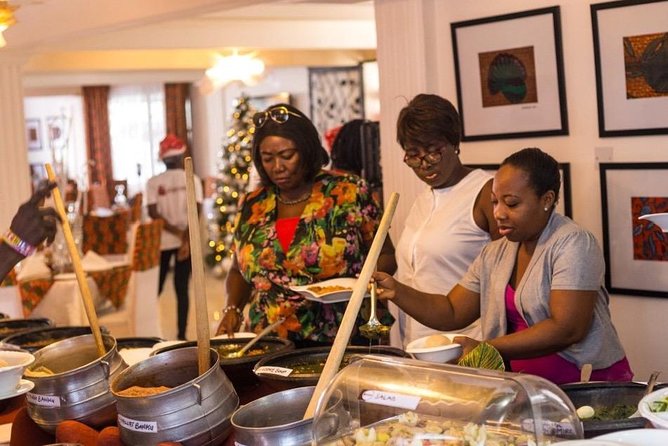
The Okomfo Anokye Sword Site introduces a different part of Ashanti belief. This is linked to the beginning of the Ashanti nation and to King Osei Tutu I, regarded as its founder. According to the tradition explained at the site, the Golden Stool descended onto the king’s lap, helping unite the Ashanti people.
The sword is said to have been driven into the ground by the chief priest Okomfo Anokye almost 300 years ago. The story holds that he declared no one would be able to remove it. The sword remains in place, and the site has become one of Kumasi’s best-known historical landmarks.
This stop is less about a large collection of objects and more about the story connected to a single place. Your guide’s explanation makes a major difference. Without context, you see a sword fixed in the ground. With context, you begin to understand how spiritual authority, kingship, and national identity fit together in Ashanti tradition.
The story has attracted famous visitors, including the boxer Muhammad Ali, who reportedly attempted to remove the sword. That detail gives the site an entertaining human touch, but the larger point is the role the sword and Golden Stool play in Ashanti origin stories.
Prempeh II Museum: Royal Objects Up Close
The Prempeh II Museum continues the royal theme with a more personal look at Ashanti life. The building was constructed to resemble an Ashanti chief’s house, so the setting itself forms part of the visit.
Displays connected to King Prempeh II include war attire, ceremonial clothes, jewelry, protective amulets, bathing and dining equipment, furniture, royal insignia, and gold-weighing pieces. Together, these objects show that a ruler’s life involved ceremony, protection, public display, and ordinary routines.
This is a good stop for anyone who enjoys material culture. Clothing and furniture can make a period feel more real than a list of dates. The protective amulets and ceremonial items also show how spiritual ideas were connected to royal life.
You may notice some overlap with Manhyia Palace Museum, since both places deal with Ashanti royalty. The difference is emphasis. Manhyia gives you a broad introduction to the kingdom and its leaders, while Prempeh II offers a closer look at objects tied to one king and to the form of an Ashanti chief’s home.
More city tours in Kumasi:
- Kumasi City Tour
★ 4.5 · 7 reviews - Lake Bosomtwe Boat Cruisely and Kumasi City Tours
★ 4.5 · 6 reviews - Kumasi: City Tour
★ 5.0 · 3 reviews - Kumasi City Tour
★ 4.5 · 3 reviews
Kejetia Market: Kumasi at Full Volume
Kejetia Market is the tour’s biggest change of pace. From a distance, the huge structure has been compared to an alien mothership in the middle of Kumasi. Up close, its rusting tin roofs and vast circular form feel less futuristic and more like a city within the city.
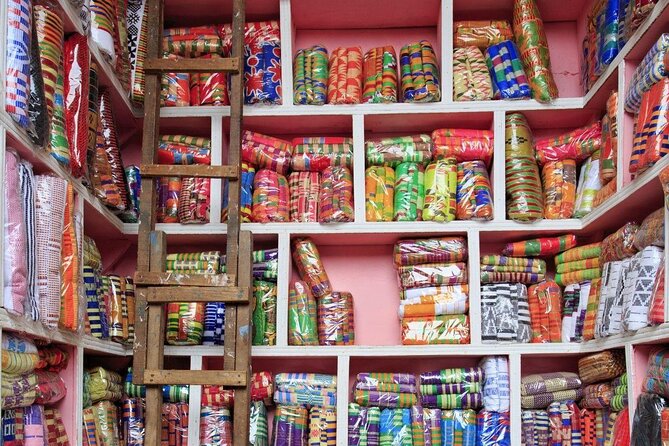
The market is often described as one of the largest in West Africa. It contains about 11,000 stalls and at least four times as many people working there. Inside, the scale can be disorienting. That is part of the attraction, but it is also why a local guide is useful.
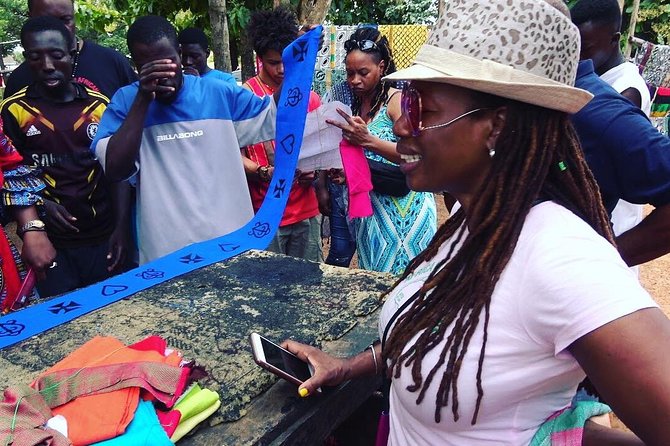
Your guide leads you through the market and explains more about central Kumasi commerce. You get to see the place at walking level rather than from a passing vehicle. This is where the title of the tour makes the most sense. You are closer to everyday buying, selling, movement, and conversation.
The market can be noisy. One local lunch setting had music loud enough to make conversation difficult, so do not expect a quiet meal. That is a small but real trade-off. You gain an energetic local setting, but you may sacrifice comfort and easy conversation.
Allow yourself to stay alert and flexible here. The market is large, crowded, and easy to find confusing. Keep personal purchases separate from the tour price, since anything you buy is not included. Bilson has also taken photographs for groups at the market and at other stops, which can be useful if you want pictures of your visit rather than only selfies.
Local Food and the Everyday Side of Kumasi

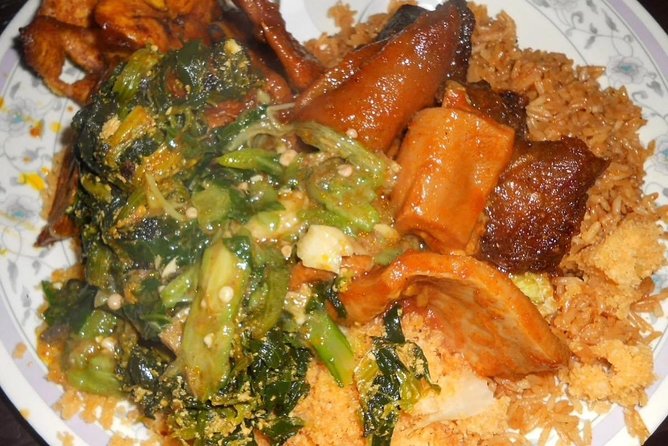
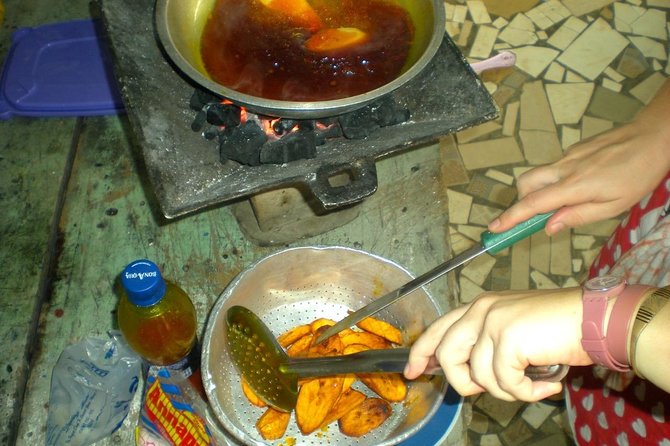
Lunch is included, and that adds real value to the experience. You are not only looking at Kumasi from the outside. You get to taste local food in the middle of a day focused on Ashanti culture and city life.
The exact meal is not specified, so you should ask Bilson about the food available when you book or meet your guide. If you have dietary restrictions, raise them in advance rather than assuming the included lunch will suit you.
The local meal may take place in a setting with loud music. I would treat that as part of the atmosphere, while recognizing that it is not ideal if you want a long conversation over lunch. The food is an important part of the day, but the surroundings may feel more social and noisy than polished.
This is also where Bilson’s friendly approach seems useful. A good guide can explain what you are eating and help you feel at ease with a new setting. Several accounts describe him as kind, personable, and attentive, including helping an older parent during the outing.
What the Local Transport Says About the Tour

Transportation is included, but the format may vary. One group traveled by tro-tro, tuk-tuk, taxis, and on foot as it moved from place to place. Another group noted that Bilson did not have a personal vehicle, and the substitute arrangements affected the experience.
You should see this in two ways. Local transport gives you a closer look at how people move around Kumasi. It can make the day feel less packaged and more connected to the city. On the other hand, changes between vehicles can slow things down and may involve more walking than expected.
One French-language account described the day as a kind of walking city tour because the organization of the transfers needed improvement. That is the clearest practical warning. If you have limited mobility, ask exactly how much walking is planned and what transport will be used before you commit.
Most people can participate, and the tour is near public transportation. Pickup is offered, and confirmation is sent when you book. Since the activity requires good weather, poor conditions can lead to a new date or a full refund.
Bilson Tours Gh and the Private Format
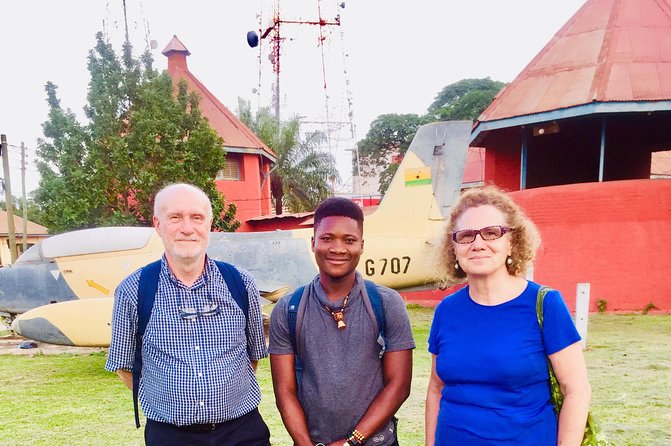
Bilson is repeatedly described as warm, polite, caring, and easy to spend time with. He takes photographs, helps groups feel comfortable in local areas, and adjusts the outing to suit the people with him. One group also arranged time with Kente villages farther outside Kumasi, showing that the experience can sometimes grow beyond the core city route.
His strongest quality is personal attention. He has been praised for walking with an older guest, explaining the city clearly, and making visitors feel comfortable in markets and less familiar areas. That matters in Kumasi, where a friendly local guide can make a crowded place feel easier to read.
The private format is another advantage. Only your group participates, so you do not have to match the pace of a busload of strangers. You can ask for more time at the museums, move faster through a crowded area, or focus your questions on royal history, local food, or daily life.
There is one limit to keep in mind. Some people wanted more explanation about the inner workings of Kejetia Market and more detail about local life. Bilson is praised for his general understanding of the city, but the depth of commentary may vary with the guide and the questions you ask. If the market is your main reason for booking, say so clearly at the beginning.
Is $80 a Fair Price for Five to Six Hours?
At $80 per person, the price is reasonable if you want a private introduction to Kumasi. It includes transportation, entrance fees, lunch, and guide service. Paying separately for four admissions, local rides, food, and a guide could easily become complicated, especially if you do not know the city.
The value is strongest for first-time visitors who want structure. You get the city’s key Ashanti sites in one morning or afternoon, plus the market and a local meal. You also avoid trying to work out the route between museums and landmarks on your own.
The price is less compelling if you want a luxury vehicle, a quiet lunch, or a highly polished schedule. Local transport and walking are part of the experience, and personal purchases are not included. You should also leave room for possible delays between stops.
The tour is commonly booked about 20 days ahead, so planning early is sensible. Free cancellation is available until 24 hours before the start time. Inside that period, changes and cancellations are not accepted for a refund, except when poor weather causes the operator to cancel.
Who Will Get the Most from This Kumasi Tour?
I would recommend it to a first-time visitor who wants cultural context without spending a full day on one museum. It is also a good fit if you enjoy markets, local food, public transport, and personal contact more than a strictly polished sightseeing route.
Families and mixed-age groups may appreciate the private setup and Bilson’s reported care with older participants. You can ask for help, set your own pace, and avoid being locked into a large group.
You may want another option if you need a private car throughout the day, have difficulty walking, or prefer quiet meals and highly detailed market commentary. Ask about the transport plan and walking distance before booking.
Should You Book Tour Kumasi City Like a Local?
Yes, if your aim is to understand Kumasi rather than simply photograph it. The Manhyia Palace Museum, Okomfo Anokye Sword Site, and Prempeh II Museum give you a strong introduction to Ashanti royalty and belief. Kejetia Market and the included lunch then bring you into the city’s daily rhythm.
I would book this as an approachable first day in Kumasi, especially if you want a private guide and do not mind some unpredictability. Go in expecting local vehicles, walking, noise, and a schedule that may bend. If you value authentic contact over polished transport, the $80 price offers a useful and memorable introduction to the Garden City.
FAQ
How long does Tour Kumasi City Like a Local last?
The tour lasts approximately five to six hours.
What places are included in the tour?
The route includes Manhyia Palace Museum, Okomfo Anokye Sword Site, Prempeh II Museum, and Kejetia Market.
Is lunch included?
Yes. Local lunch is included in the tour price.
Is transportation included?
Yes. Transportation is included, although the form of transport may include local vehicles, taxis, tuk-tuks, and walking between locations.
Is this a private tour?
Yes. Only your group participates in the activity.
What does the $80 price include?
The price includes transportation, entrance fees, lunch, and tour guide service. Personal purchases are not included.
Can I cancel for a full refund?
Yes, if you cancel at least 24 hours before the experience starts. Cancellations within 24 hours are not refunded. If poor weather causes the experience to be canceled, you will be offered another date or a full refund.
Just added around Kumasi
- Kumasi: City Tour★ 5.0 · 3 reviews
- Discover kumasi Tours★ 5.0 · 3 reviews
- Kumasi City Tour★ 4.5 · 3 reviews
- Kumasi Culture and Heritage Tours★ 4.5 · 3 reviews
- Full Day Tour with Traditional Naming Ceremony in Kumasi★ 5.0 · 4 reviews
- Traditional Naming Ceremony For African Americans In Kumasi★ 5.0 · 5 reviews
- Lake Bosomtwe Boat Cruisely and Kumasi City Tours★ 4.5 · 6 reviews
- One day tour at Kumasi★ 5.0 · 6 reviews
Kumasi Tours, compared.

Bonwire Namimg Ceremony and Kente Tourist Center
Read our review →
Traditional naming ceremony For African Diasporas in Kumasi
Read our review →

Lake Bosomtwe Boat Cruisely and Kumasi City Tours
Read our review →
Traditional Naming Ceremony For African Americans In Kumasi
Read our review →
Full Day Tour with Traditional Naming Ceremony in Kumasi
Read our review →Browse the lists this tour appears in