
Reviewed · TRADITIONAL NAMING CEREMONIES
Bonwire Namimg Ceremony and Kente Tourist Center
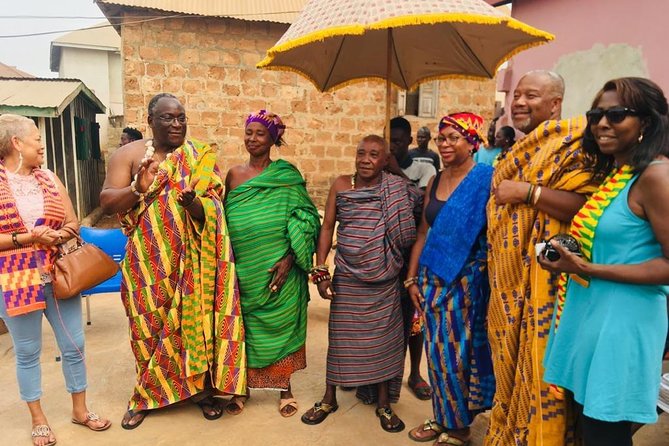
Culture comes alive when you take part. This private Kumasi outing combines hands-on Kente weaving with an Akan naming ceremony at Bonwire Palace, giving you more than a quick look at Ghanaian traditions. I especially like the chance to weave Kente yourself and the personal ceremony led by the chief and Queen-mother, complete with a certificate bearing your new Akan name.
The private format is another strong point. You travel only with your own group, in an air-conditioned vehicle, with bottled water and a local lunch included. The main thing to consider is the $180 per-person price, which is substantial for a five-and-a-half-hour activity, though it covers transport, food, admission, and a rare cultural experience. Timing and road conditions may also affect the day.
In This Review
- Key points to know before booking
- From Kumasi to Bonwire in a private vehicle
- Weaving Kente at the Bonwire center
- The Akan naming ceremony at Bonwire Palace
- Lunch and the rhythm of the five-and-a-half-hour visit
- What the $180 price really covers
- Who will get the most from this experience
- Booking, cancellation, and simple preparation tips
- Should you book the Bonwire naming ceremony?
- FAQ
- Where does the Bonwire naming ceremony tour take place?
- How long does the experience last?
- How much does the tour cost?
- Is pickup available?
- Is this a private tour?
- What happens during the Kente visit?
- Who conducts the Akan naming ceremony?
- Do I receive proof of my new Akan name?
- Is lunch included?
- What is the cancellation policy?
Key points to know before booking
- Bonwire is presented as the birthplace of Kente cloth, so the weaving lesson connects a practical activity with local tradition.
- You try weaving for yourself, rather than only watching an artisan work.
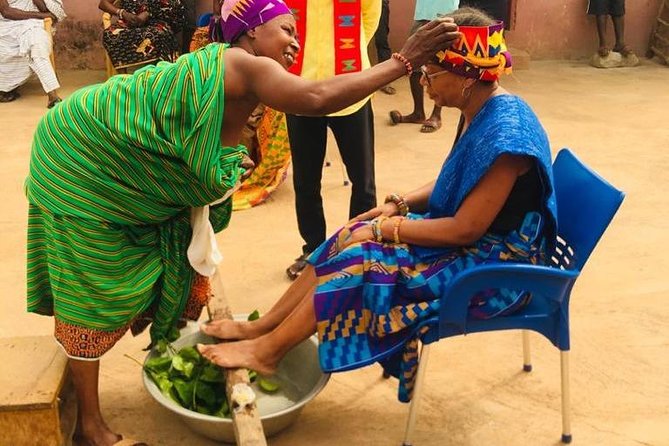
- The chief, Queen-mother, and village leaders conduct the Akan naming ceremony, giving the experience a formal local setting.
- A certificate records your new Akan name, making the ceremony easier to remember and share with family.
- The tour is private, so your group does not have to follow a large coach party or share the ceremony with strangers.
- Lunch, bottled water, transport, and fees are included, which makes the price easier to judge as a complete package.
From Kumasi to Bonwire in a private vehicle
The experience begins around Kwame University, with pickup offered for the tour. From there, your guide drives you to Bonwire village in an air-conditioned vehicle. The total outing lasts about five hours and 30 minutes, although the listed activities at Bonwire account for roughly three hours.
That extra time matters. It allows for driving, getting settled, the weaving lesson, the ceremony, lunch, and the natural pauses that come with a cultural visit. This is not a quick stop squeezed between several unrelated sights. The day has one clear purpose: to help you connect with Bonwire through cloth, naming, and community ritual.
A private vehicle is useful in Kumasi, especially if you prefer not to work out local transport on your own. You can travel with your own group, and the private setup gives the guide room to focus on your questions. It also avoids the fixed rhythm of a large group, where everyone must move on at once.
The transport is air-conditioned, and bottled water is supplied. That is a practical benefit in Ghana’s warm conditions. Pickup is offered, but you should confirm the exact meeting place and pickup time when booking, since the published information identifies Kwame University as the starting point without giving a full list of pickup addresses.
One especially positive detail comes from the service team. Solomon is identified as the guide, with Kwame serving as driver, and both received strong praise for their care, professionalism, and attention. If they are assigned to your outing, you can expect a team that takes the day seriously and pays attention to the small needs of your group.
More traditional naming ceremonies:
- Traditional naming ceremony For African Diasporas in Kumasi
★ 5.0 · 10 reviews - Traditional Naming Ceremony For African Americans In Kumasi
★ 5.0 · 5 reviews - Full Day Tour with Traditional Naming Ceremony in Kumasi
★ 5.0 · 4 reviews
Weaving Kente at the Bonwire center
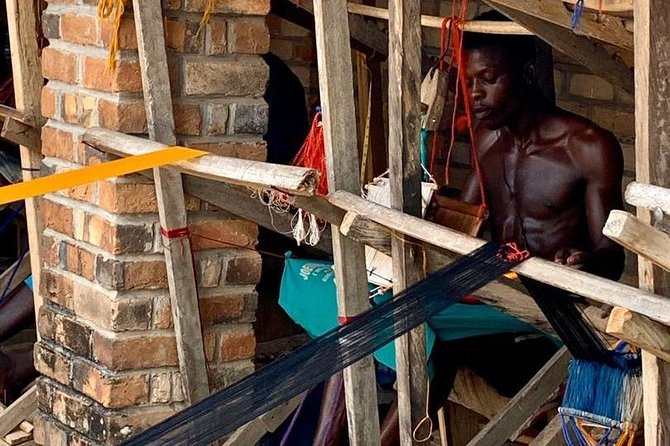
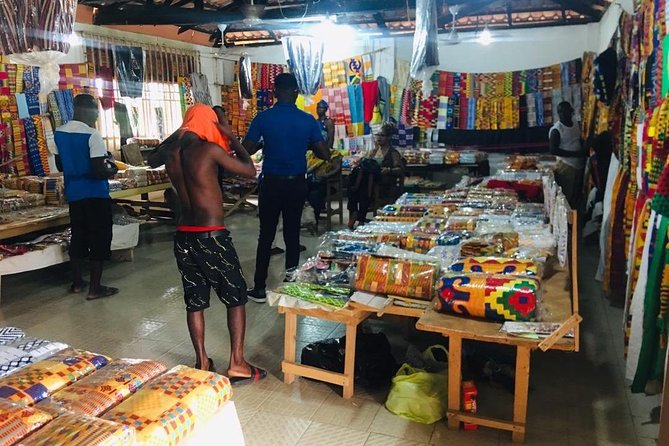
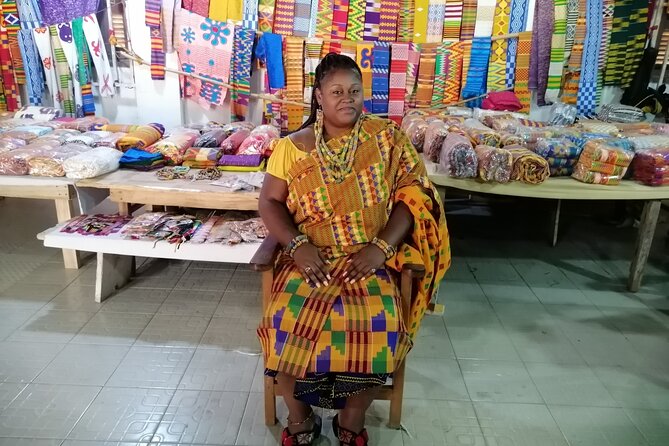
Bonwire is known as the village where Kente cloth was invented. That claim gives the first stop a clear sense of place. Instead of seeing finished cloth in a shop with no explanation, you learn about the village’s connection to Kente and get a chance to handle the process yourself.
The lesson teaches you how to weave Kente and explains its meaning. The hands-on part is important. Kente can look simple from a distance, with its repeated bands and bright designs, but weaving requires patience and control. Even a short attempt gives you a better idea of the work behind a finished piece.
You should approach this as a cultural introduction, not a professional weaving course. The available information does not promise that you will complete a large piece of cloth or take home a finished textile. The value is in trying the craft, seeing how it is made, and learning why the cloth matters.
I like this part because it gives the day a physical focus. You are not only listening to an explanation. You are using your hands, following the method, and discovering that traditional craft takes time. It also gives children and adults a shared activity, though younger participants may need help depending on how the lesson is arranged.
The center is also a natural place to ask questions about patterns and meaning. The tour description specifically says the guide will teach you about Kente and its meaning, but it does not list particular colors, symbols, or designs. Do not book expecting a detailed academic lecture on every pattern. Book it for a clear, personal introduction to one of Ghana’s best-known textile traditions.
You may also see Kente offered for sale during or after the visit, but a purchase is not listed as part of the package. Plan to treat shopping as optional, and confirm prices before buying anything. The included experience is the lesson itself.
The Akan naming ceremony at Bonwire Palace
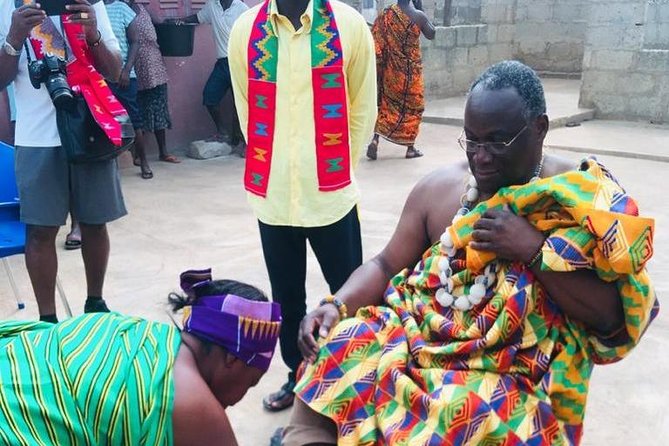
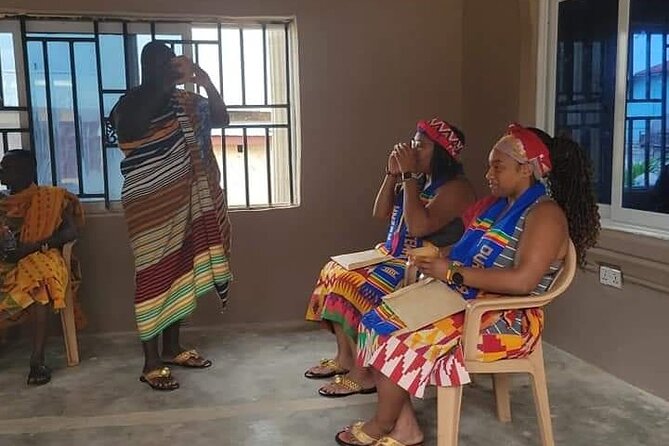
The most unusual part of the day takes place at Bonwire Palace. Here, the chief, Queen-mother, and village leaders conduct an Akan naming ceremony for you. They pray for you and give you a traditional name connected with Akan culture, with a certificate provided afterward.
This is more formal than a themed photo stop. The setting, the local leaders, the prayers, and the certificate all give the ceremony a clear ceremonial shape. You are not simply choosing a name from a menu. The name is designated through a traditional process led by the community’s senior figures.
The experience may feel personal even though it is arranged for visitors. That is one reason the private format matters. Your own group participates, rather than standing at the edge of a crowded performance. You can give the ceremony your attention and ask your guide about what is happening.
Still, bring the right attitude. This is a cultural and spiritual ceremony, so respectful clothing and behavior are wise. The supplied information does not state a formal dress code, but you should follow any instructions given by the guide or palace leaders. Listen during the prayers, avoid treating the event as a joke, and ask before taking photographs.
The certificate is a useful keepsake. It records your new Akan name and gives you something tangible to take home. It may also help you explain the experience to family and friends, since the name provides a lasting link to the day. The certificate is included in the price, so you do not need to arrange it separately.
The description does not explain how names are selected or whether you can request a particular type of name. That is worth asking about before the ceremony begins. Your guide can help explain the process and the meaning of the name you receive.
Lunch and the rhythm of the five-and-a-half-hour visit
A local meal is included, along with bottled water. This makes the package easier to manage because you do not need to arrange lunch during the outing. It also gives you another small connection with local life, though the supplied details do not specify the menu, restaurant, or dietary options.
If you have allergies or dietary restrictions, tell the provider before the day. The information confirms that lunch is included but does not promise vegetarian, vegan, halal, or allergy-safe choices. A quick message in advance is the sensible move.
The full duration is about five hours and 30 minutes. The listed Bonwire activities take approximately three hours, so the balance is likely used for transport and the transitions between weaving, the palace, and lunch. Do not schedule another fixed activity too tightly afterward.
The opening information gives Monday hours of 7:00 AM to 9:30 PM for the stated operating period, which runs through June 16, 2026. Since a tour lasting five and a half hours needs a sensible start time, confirm your exact departure time rather than relying only on the broad opening hours.
Weather can affect the experience. If poor weather causes cancellation, you are offered another date or a full refund. This is useful protection, but it also means you should keep some flexibility in your Kumasi schedule.
More things to do in Kumasi:
- Tour Kumasi City Like a Local
★ 4.5 · 34 reviews - Kumasi City Tour
★ 5.0 · 8 reviews - Kumasi City Tour
★ 4.5 · 7 reviews - Lake Bosomtwe Boat Cruisely and Kumasi City Tours
★ 4.5 · 6 reviews
What the $180 price really covers
At $180 per person, this is not a low-cost village visit. It is priced as a private cultural experience with transport and several inclusions. Your fee covers the air-conditioned vehicle, all fees and taxes, the naming ceremony certificate, bottled water, lunch, and the activities at Bonwire.
The value depends on what you want from Kumasi. If you only want to see Kente cloth or buy a souvenir, you can likely find cheaper ways to do that. If you want private transport, a weaving lesson, a formal Akan naming ceremony, a certificate, and a local meal in one half-day outing, the price is easier to justify.
The private format adds value for families, couples, and small groups who prefer a quieter day. You are not paying only for entry. You are paying for coordination, transport, guiding, and access to a ceremony that would be difficult to arrange independently.
The certificate and naming ceremony also make this different from a standard sightseeing tour. Those elements are personal and specific to your visit. You may remember the name and the palace setting long after the weaving demonstration has ended.
Alcoholic drinks are not included, and dinner is not part of the tour. That is not a major issue for a half-day outing, but budget for any drinks or evening meal separately. Lunch is the only meal clearly included.
The tour is commonly booked about 12 days ahead. That lead time suggests you should reserve before arriving in Kumasi, especially if you need a particular date or want to coordinate it with other plans. Confirmation is provided at booking.
Who will get the most from this experience
I would recommend this outing to anyone who wants a personal cultural activity rather than a broad city tour. It suits couples, families, photographers, and small groups who value a slower visit and want to take part in something rather than only watch.
It is also a good fit if Kente interests you but you want more context than a shop can provide. The weaving lesson connects the cloth to Bonwire itself, while the naming ceremony introduces a separate Akan tradition.
The experience may be less suitable if you dislike formal ceremonies, prefer a packed sightseeing schedule, or want a cheap introduction to Kente. It is also not ideal for anyone who needs a precisely timed afternoon, since the duration is approximate and weather can affect plans.
Most people can participate, and service animals are allowed. The activity is near public transportation, but transport is already offered as part of the private tour. The available information does not list specific mobility arrangements, so you should ask the provider about any access needs before booking.
The day also works well for a first visit to Kumasi because it gets you beyond the city center without making you organize every detail yourself. You see a village connected to Kente, meet local leaders through the ceremony, and return with a certificate and a clearer sense of Akan customs.
Booking, cancellation, and simple preparation tips
Free cancellation is available if you cancel at least 24 hours before the experience begins. Within 24 hours, the amount paid is not refunded, and changes made during that period are not accepted. The cut-off follows local time.
I would prepare in three simple ways. First, wear comfortable clothing suitable for a village and palace visit. Second, tell the provider about food restrictions in advance. Third, leave room in your schedule after the tour in case transport or ceremony timing takes longer than expected.
Bring questions. Ask about the meaning of your Akan name, the steps of the ceremony, and the symbols in the Kente designs. You will get more from the experience if you treat the day as a conversation rather than a checklist.
Your phone can record the certificate and the cloth, but ask before photographing the ceremony or palace leaders. Respect matters more than getting one more picture.
Should you book the Bonwire naming ceremony?
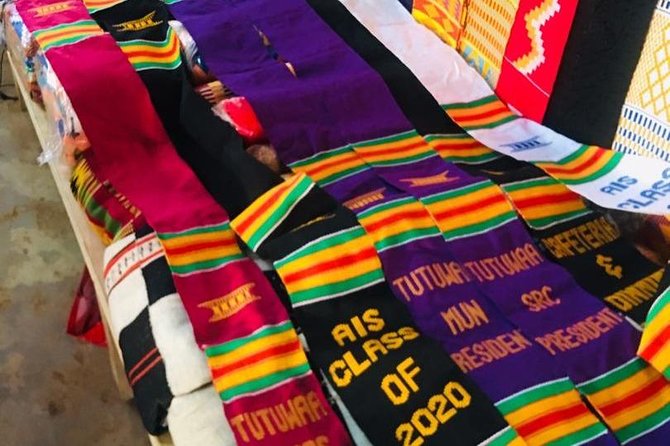
Book this experience if you want a private, hands-on connection with Ghanaian culture and can accept the $180 price. The combination is unusual: you try weaving Kente in Bonwire, receive a traditional Akan name from the chief and Queen-mother, and leave with a certificate.
I would skip it if your main goal is bargain sightseeing or a fast look at several Kumasi attractions. The strongest value comes from participation, privacy, and the ceremony itself, not from the number of places visited.
For the right person, this is a thoughtful half-day choice. Solomon and Kwame add a reassuring human touch when assigned to the outing, and the included transport, lunch, water, fees, and certificate keep the arrangements simple. Give the day time, arrive with respect, and you may come away with more than a souvenir: a name, a story, and a better understanding of why Bonwire matters.
FAQ
Where does the Bonwire naming ceremony tour take place?
The experience takes place in Bonwire village near Kumasi, Ghana. The day includes the Bonwire Kente Weaving Centre and Bonwire Palace.
How long does the experience last?
The full experience lasts approximately five hours and 30 minutes. The activities at Bonwire are listed as taking about three hours.
How much does the tour cost?
The listed price is $180 per person.
Is pickup available?
Yes. Pickup is offered, and the tour begins around Kwame University according to the provided meeting information. Confirm your exact pickup point and time when booking.
Is this a private tour?
Yes. Only your own group participates in the private activity.
What happens during the Kente visit?
You learn about Bonwire’s connection with Kente cloth, receive an explanation of its meaning, and try weaving Kente yourself.
Who conducts the Akan naming ceremony?
The chief, Queen-mother, and village leaders conduct the ceremony at Bonwire Palace. They pray for you and give you a traditional Akan name.
Do I receive proof of my new Akan name?
Yes. A naming ceremony certificate with your new Akan name is included.
Is lunch included?
Yes. A local meal and bottled water are included. Alcoholic beverages and dinner are not included.
What is the cancellation policy?
You can receive a full refund if you cancel at least 24 hours before the start time. Cancellations or changes made less than 24 hours before the experience are not refunded or accepted. If poor weather causes cancellation, you can choose another date or receive a full refund.
Just added around Kumasi
- Kumasi: City Tour★ 5.0 · 3 reviews
- Discover kumasi Tours★ 5.0 · 3 reviews
- Kumasi City Tour★ 4.5 · 3 reviews
- Kumasi Culture and Heritage Tours★ 4.5 · 3 reviews
- Full Day Tour with Traditional Naming Ceremony in Kumasi★ 5.0 · 4 reviews
- Traditional Naming Ceremony For African Americans In Kumasi★ 5.0 · 5 reviews
- Lake Bosomtwe Boat Cruisely and Kumasi City Tours★ 4.5 · 6 reviews
- One day tour at Kumasi★ 5.0 · 6 reviews
Traditional Naming Ceremonies, compared.
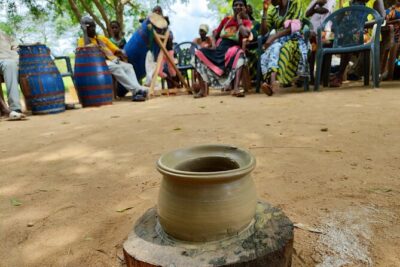
The Ancestral Naming Ceremony and Home Coming Experience
Read our review →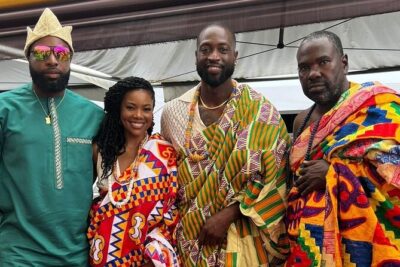
Naming Ceremony and Heritage Homecoming Experience for Diasporas
Read our review →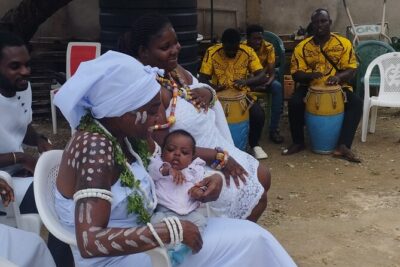
Traditional Naming Ceremony and Boat Cruise Experience
Read our review →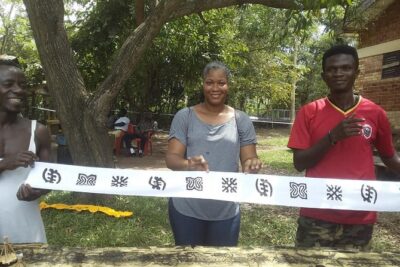
Kumasi Heritage Tours And Naming Ceremony In A Day
Read our review →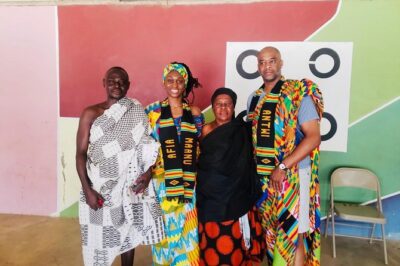
Traditional naming ceremony For African Diasporas in Kumasi
Read our review →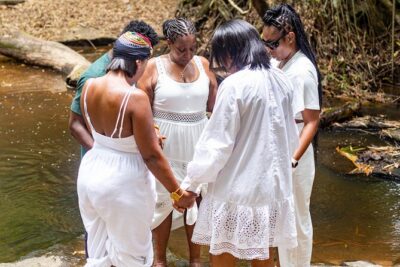
Naming Ceremony, Assin Manso Slave River and Cape Coast Castle
Read our review →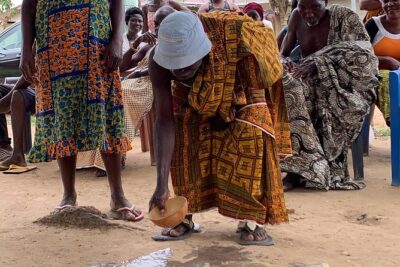
Cultural Village Tour: Traditional Naming Ceremony
Read our review →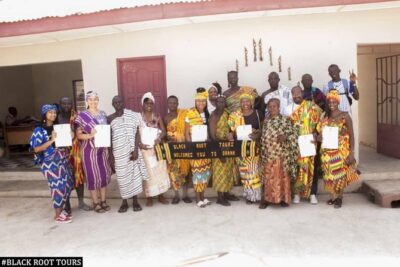
Traditional Naming Ceremony For African Americans In Kumasi
Read our review →Browse the lists this tour appears in